

Having finished the Camino Portugues we bused back to Porto. 12 days walking and 4 hours in a bus, but hey, wouldn’t have missed it for the world!
It’s our second time in Porto, but let’s back track a bit to before the walk…
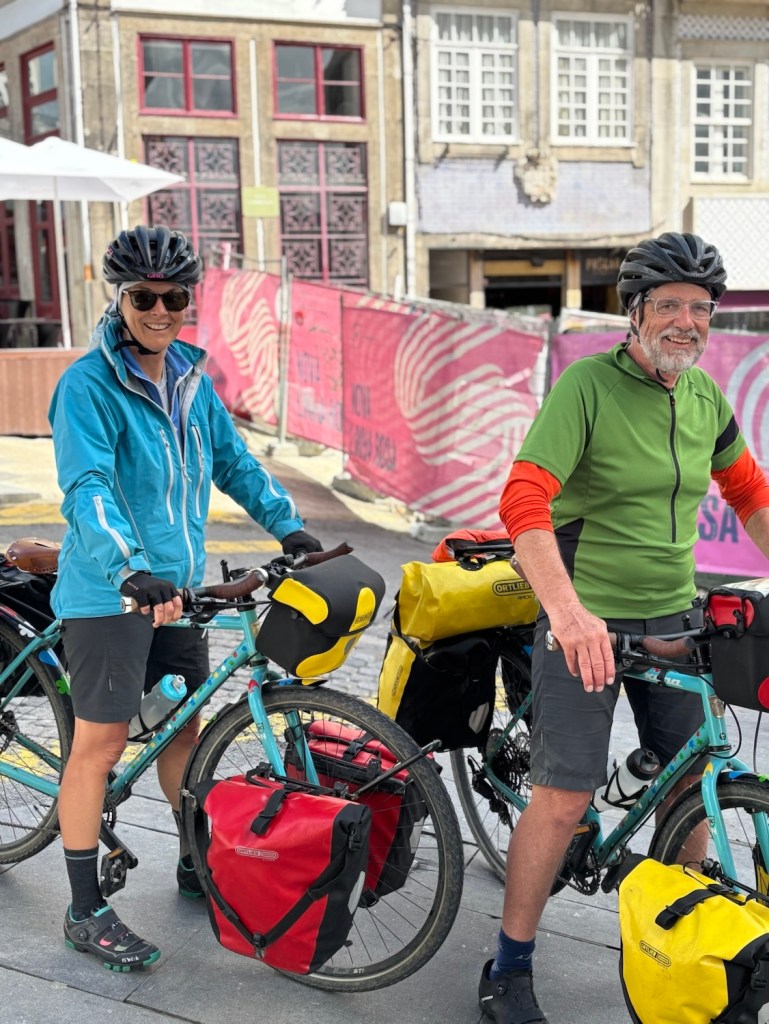
We first arrived after a short 10 kilometre coastal ride.
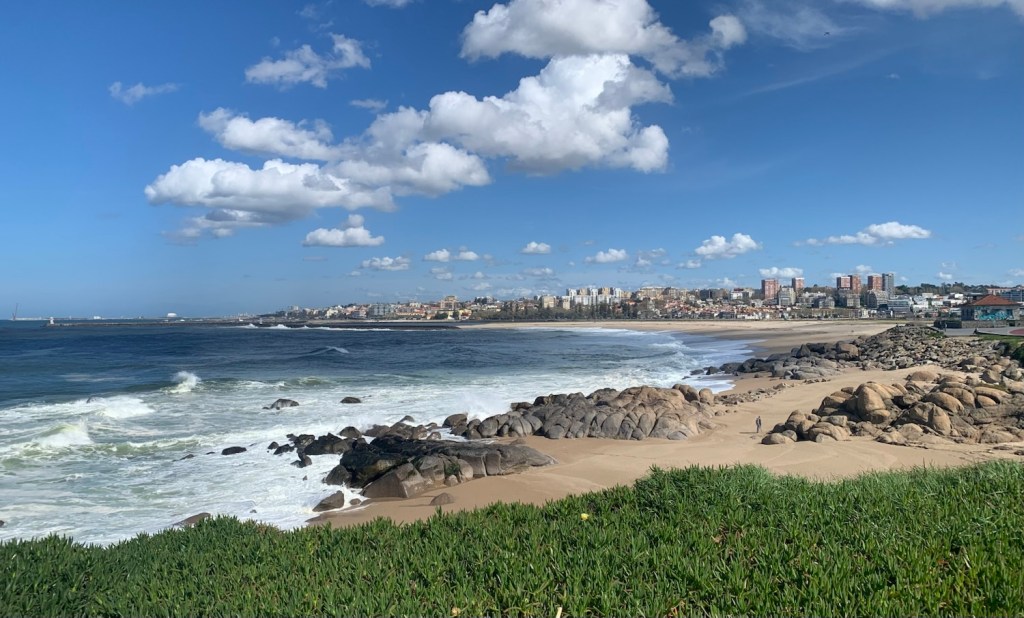
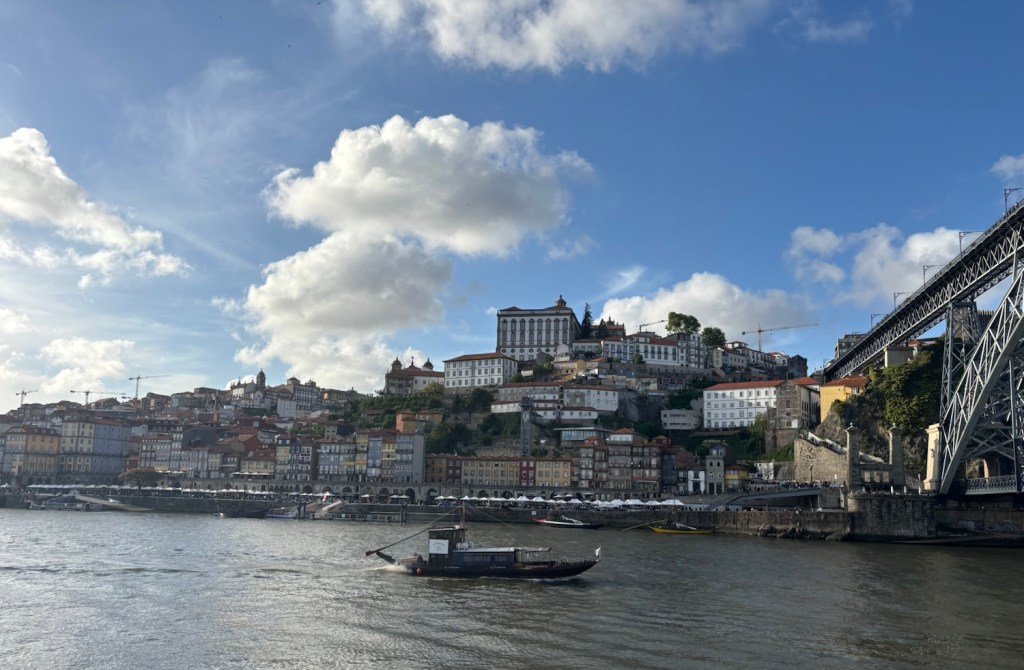
It was a beautiful day as we rode through Vila Nova de Gaia on the south side of the Rio Douro. A popular tourist area with an abundance of port wine houses open for tastings.
Over the iron Ponte Luís I, through the tunnel and into the historic area of Porto.
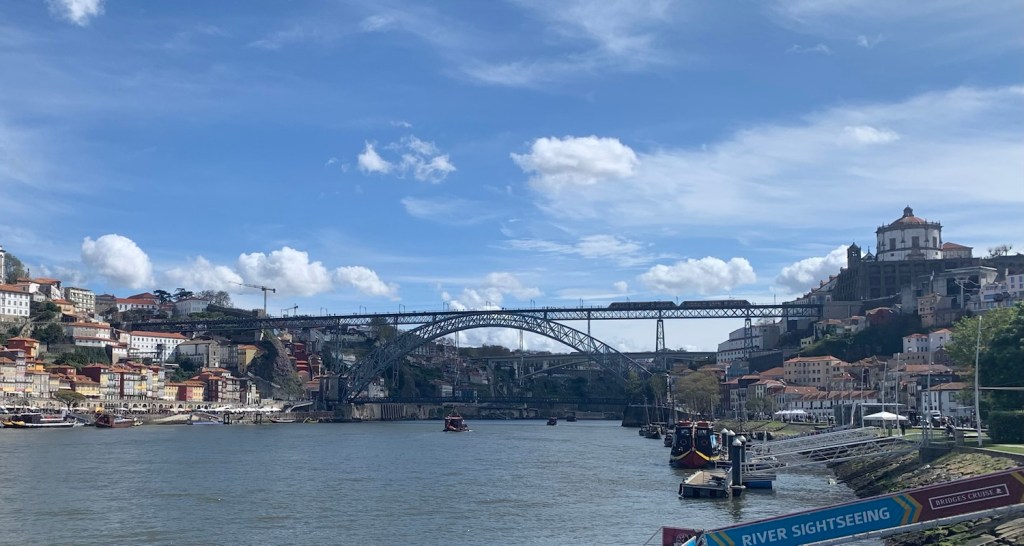
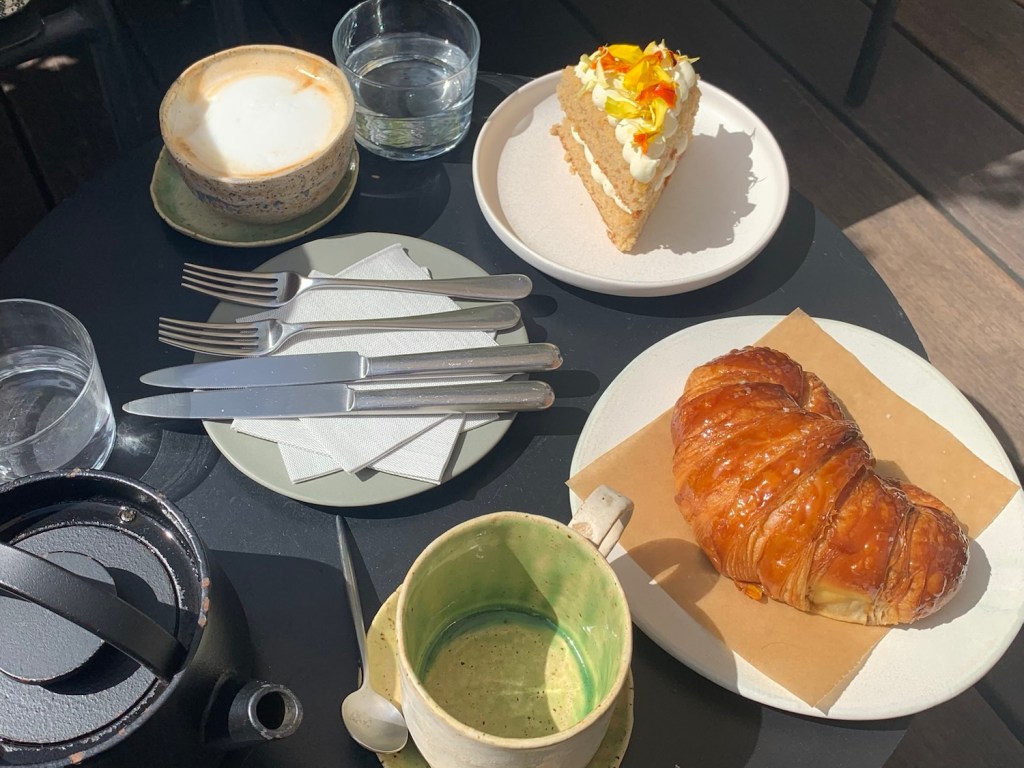
The atmosphere in Porto was instantly cosy. It’s felt smaller, friendlier and more homely somehow. It was instant like the sweet treats!
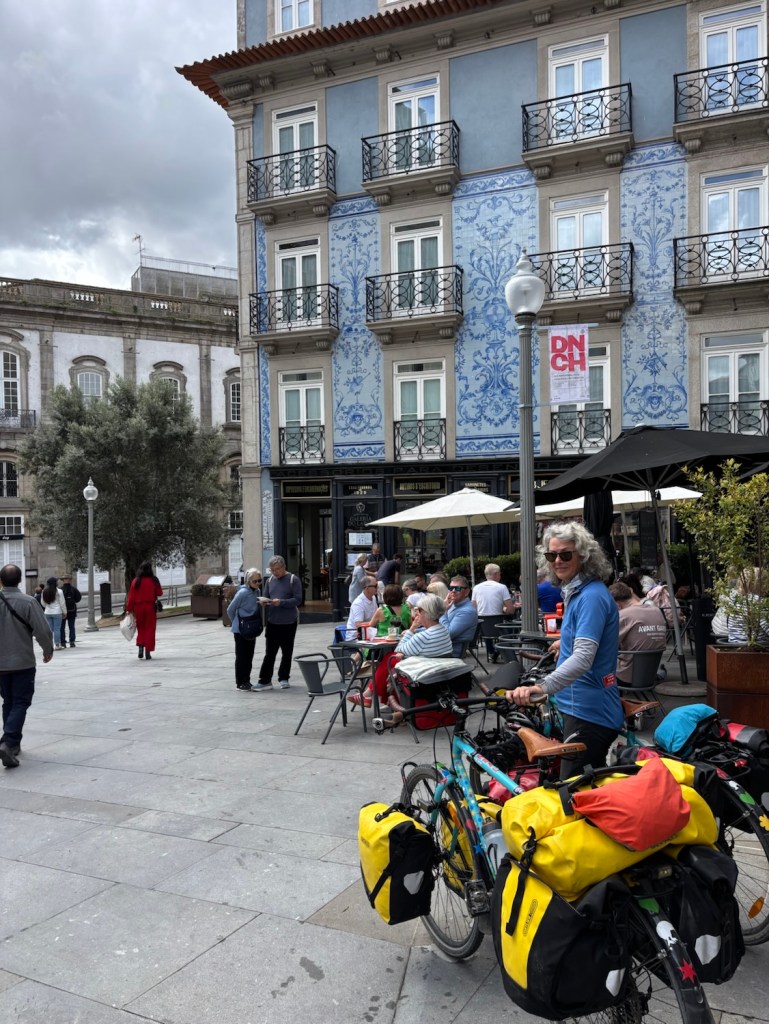
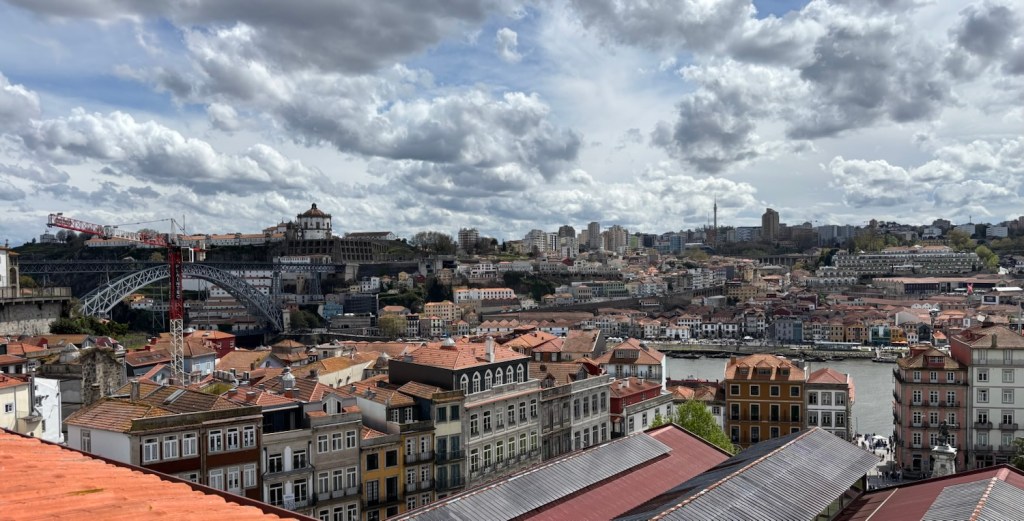
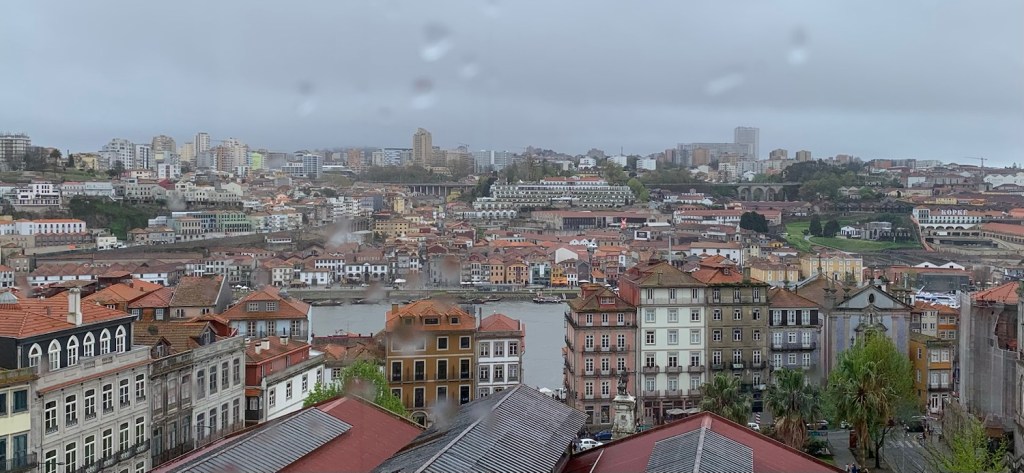
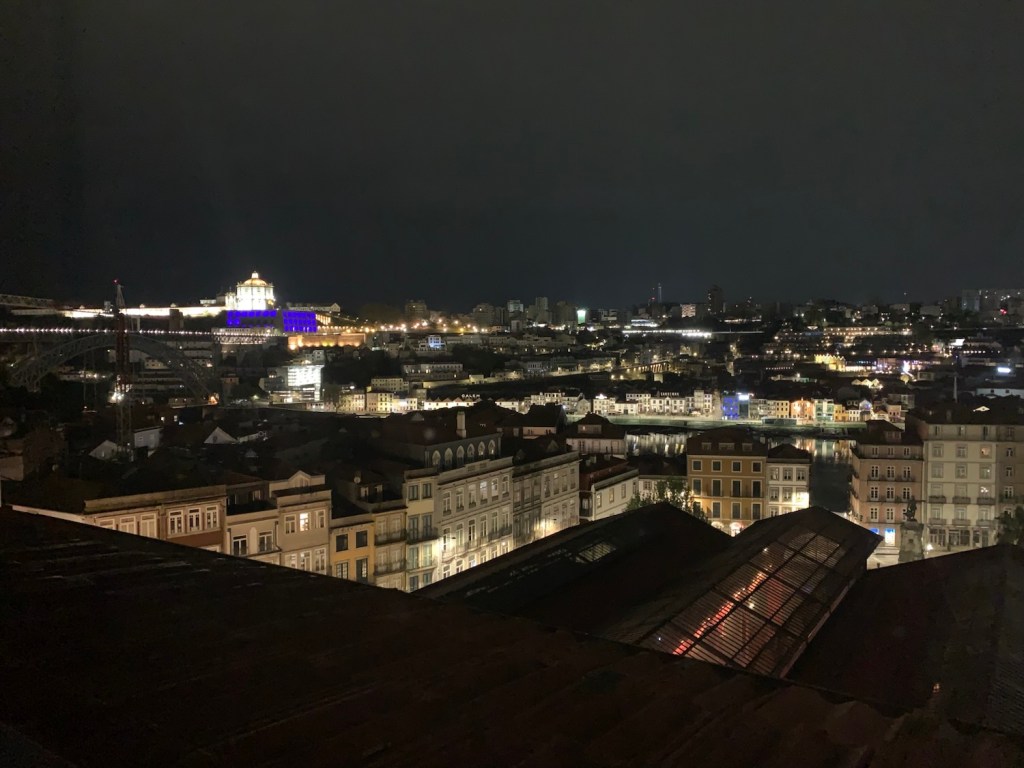
Our accommodation looked out over the Rio Douro and across to Vila Nova de Gaia and the lights of the familiar port houses… Sandeman, Cockburns, Graham’s, Taylor’s as well as some new names, Cálem, Symington, Ferreira.
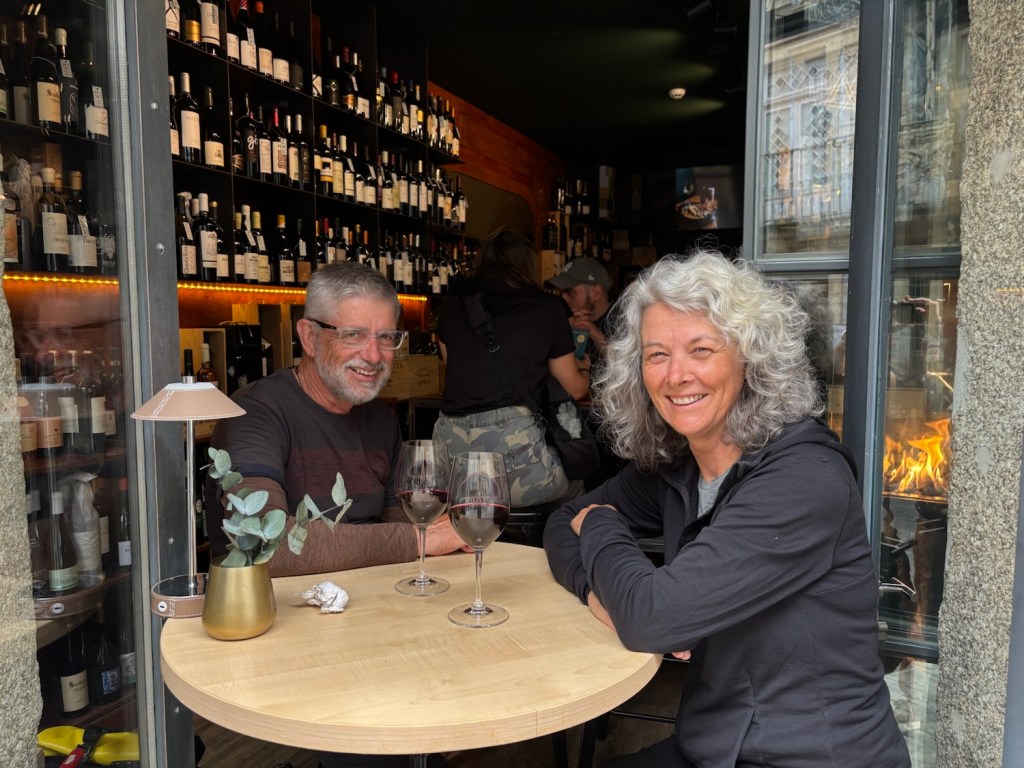
With the laundry in the machine and a glass of wine while we waited, Camino planning was our priority.
Our cycling gear would easily become our walking gear, though packs and poles were needed.
Nearly all set except the choice of back pack shopping was limited to big box store Decathlon or the only camping outdoor store in Porto, The Camping Shop.
With my inherent dislike for big box shopping, we ventured to the specialty Camping Shop (albeit with limited range) and were sorted. Backs and poles, tick.
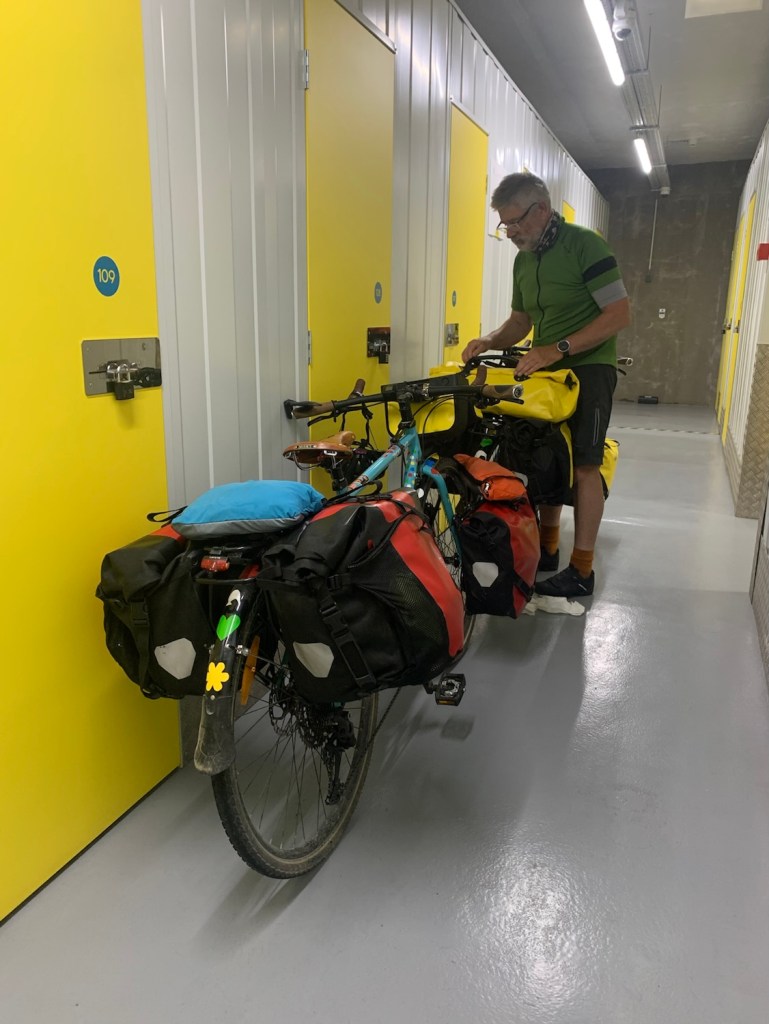
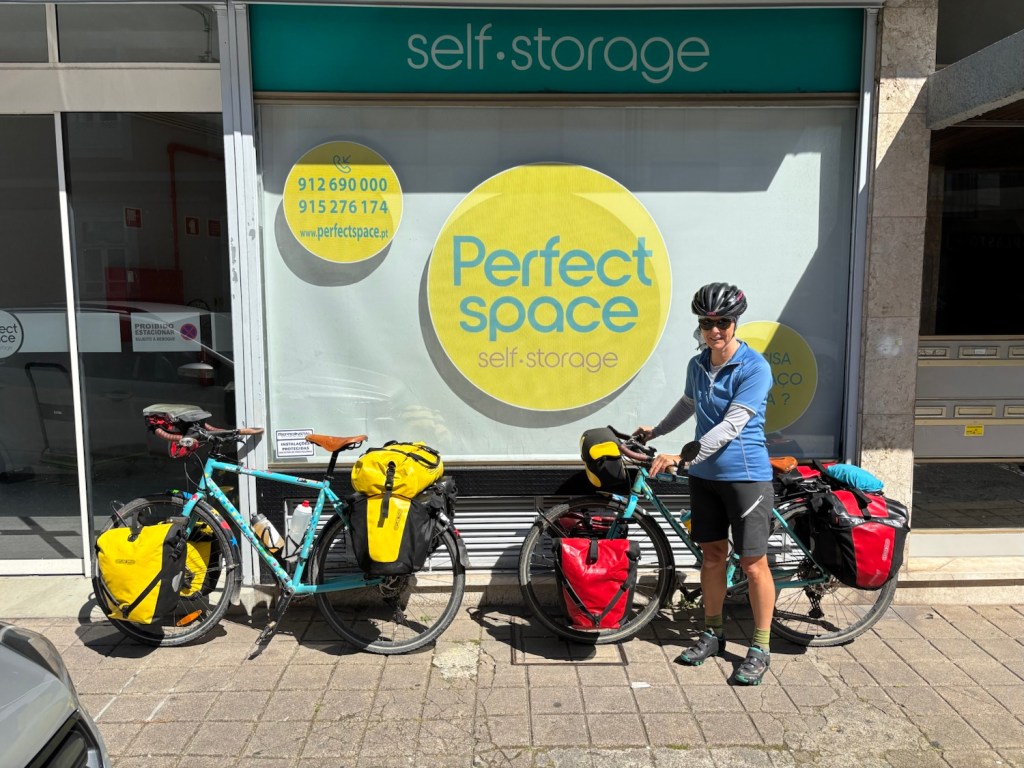
Our bikes needed a home while we walked and after a few enquires we found Perfect Storage and signed up for a 30 day contract on a 2 m2 unit. Tick.
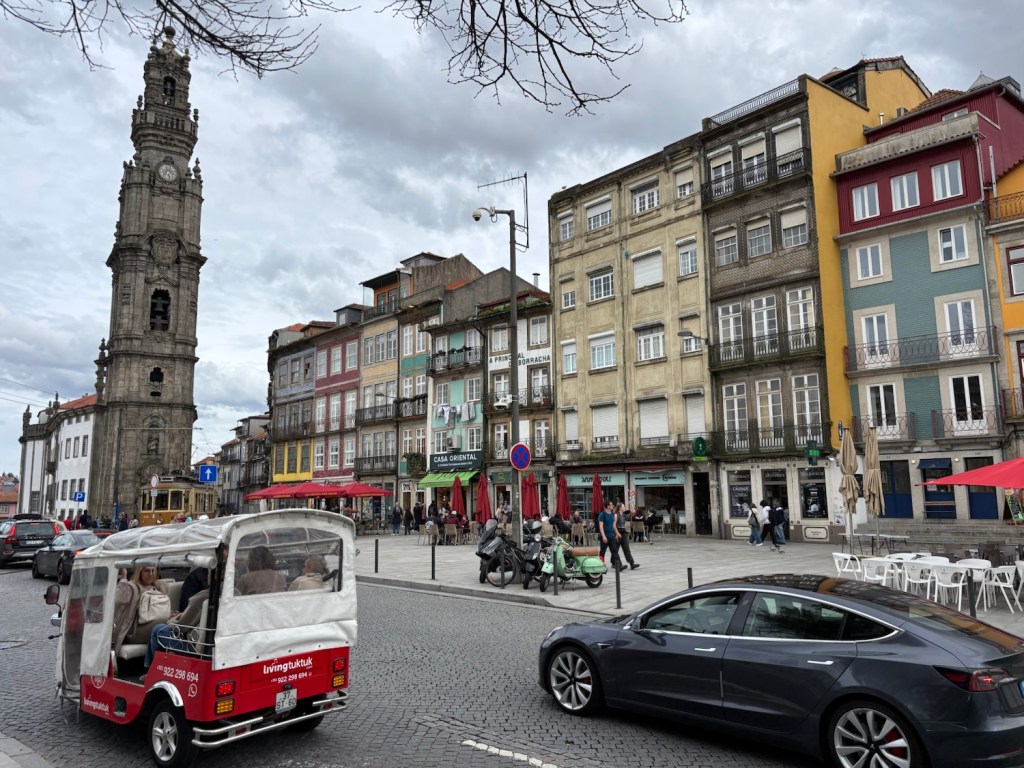
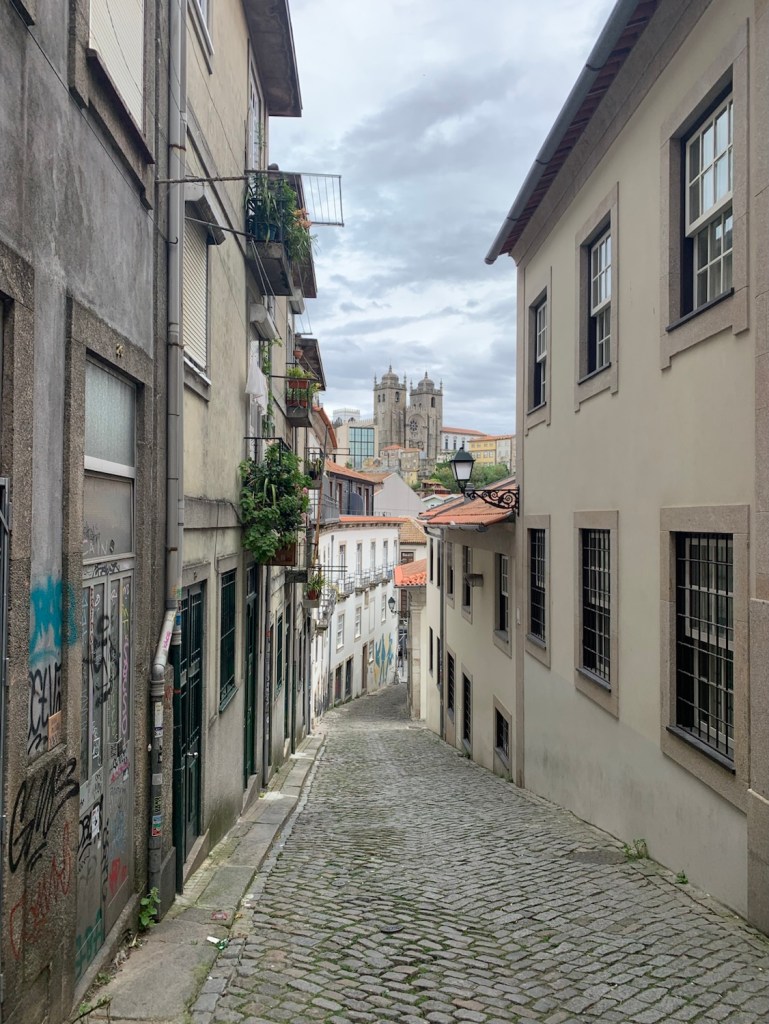
Although we wandered Porto setting up for the Camino, we didn’t do any real sightseeing during our first visit, just enjoying the views as we passed by.
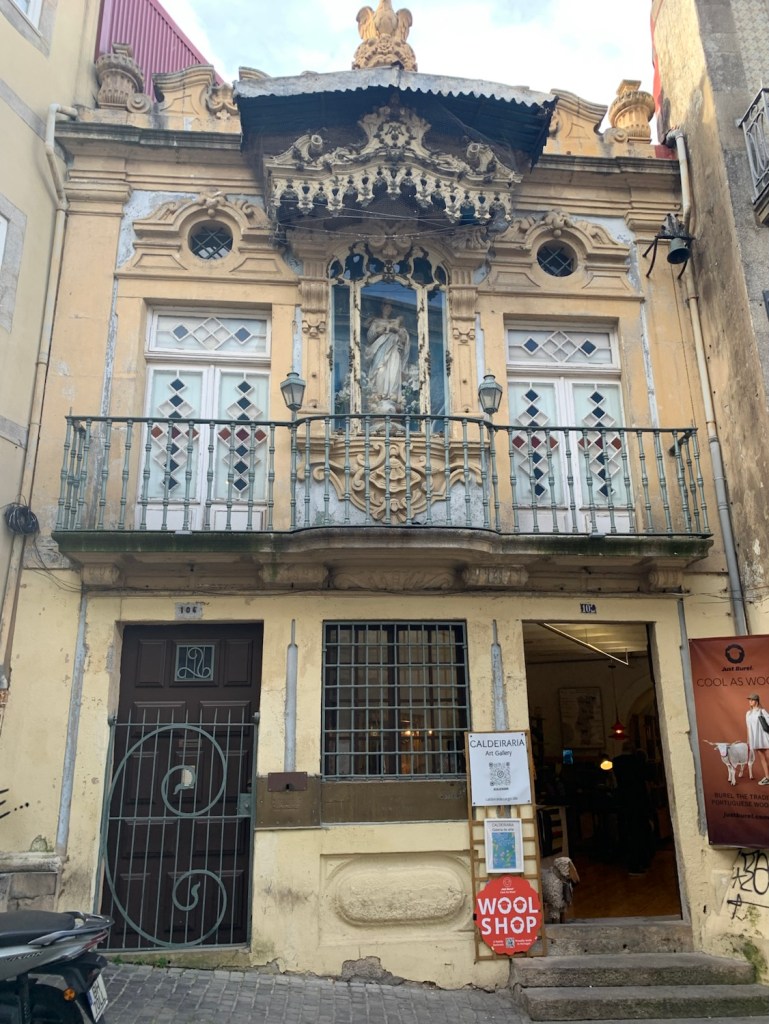
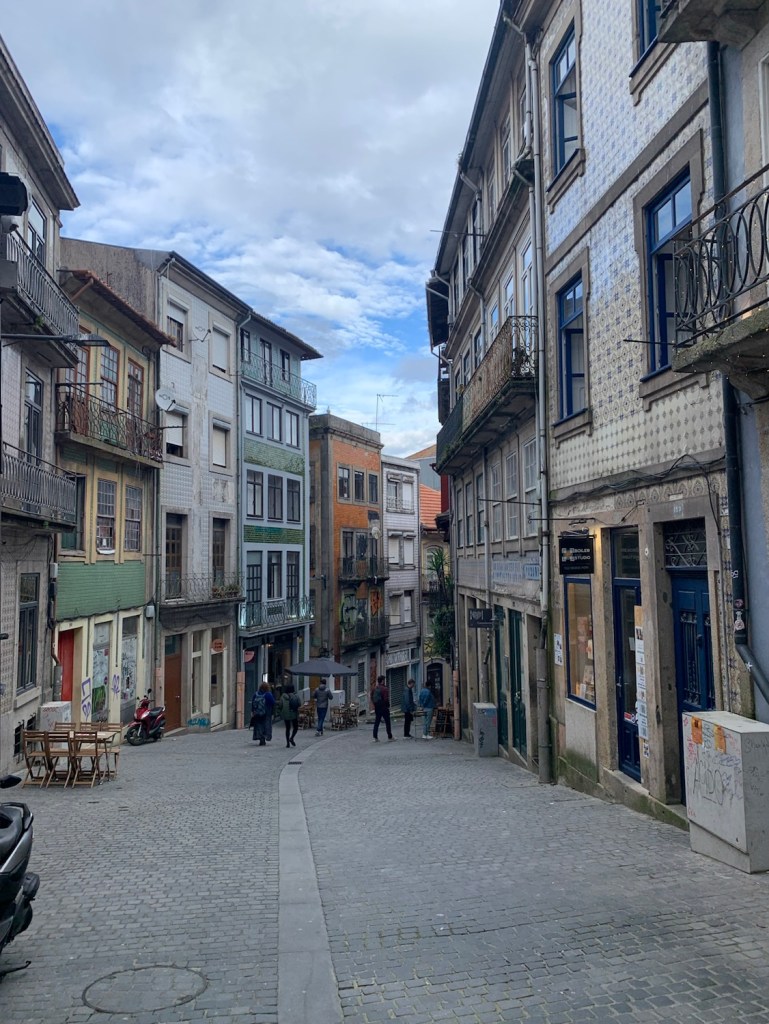
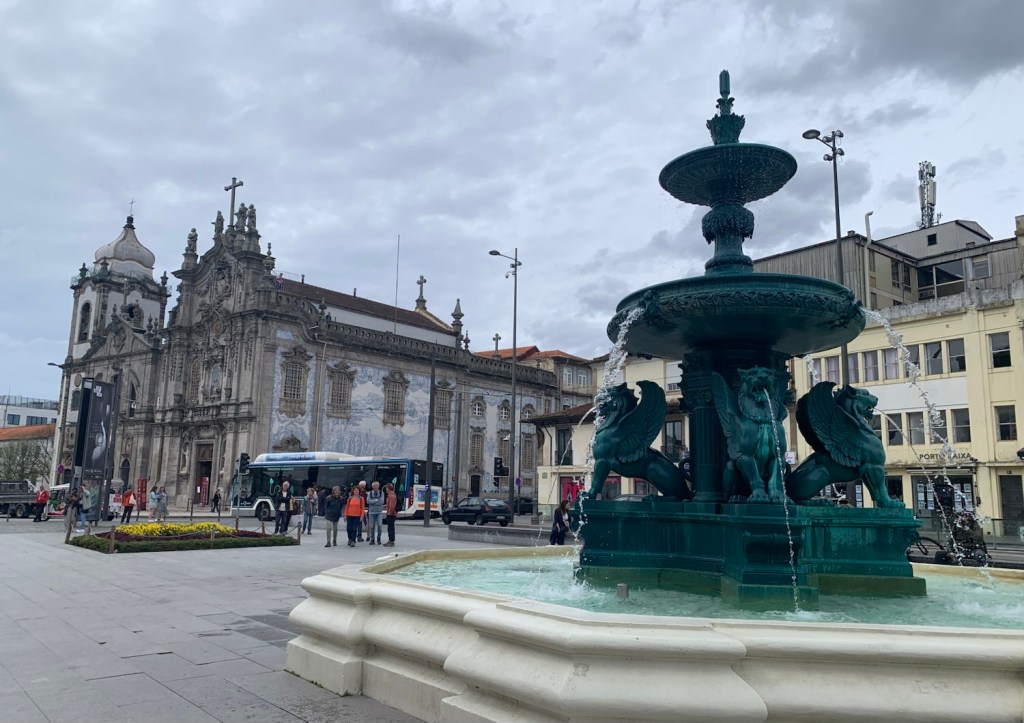
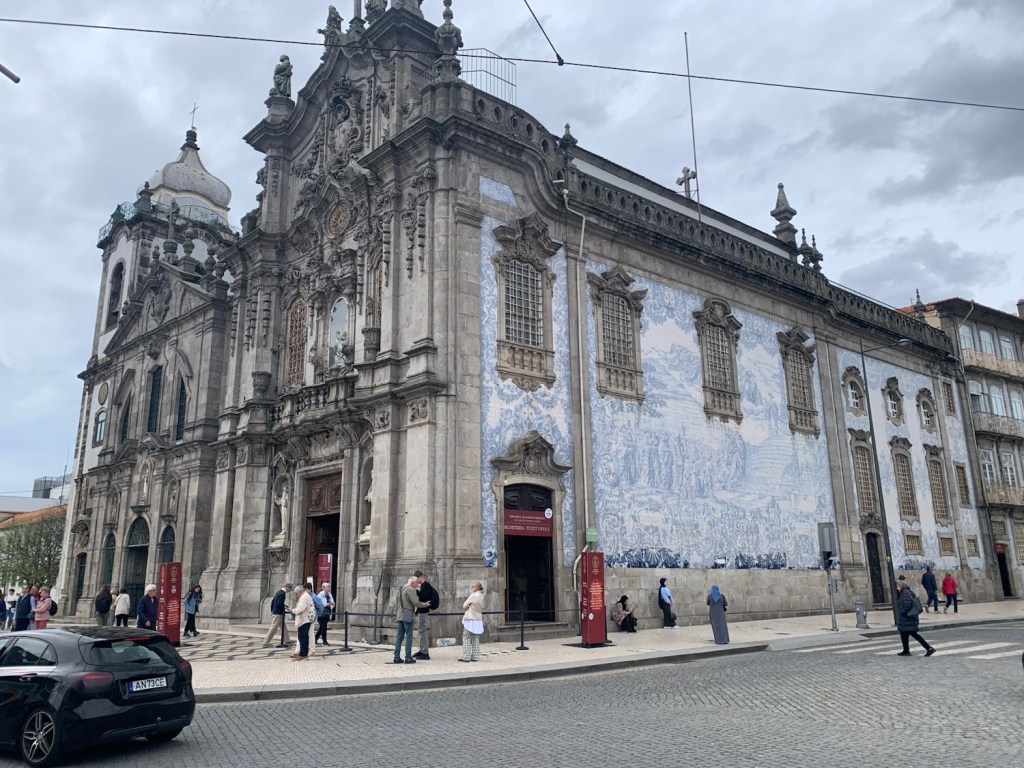
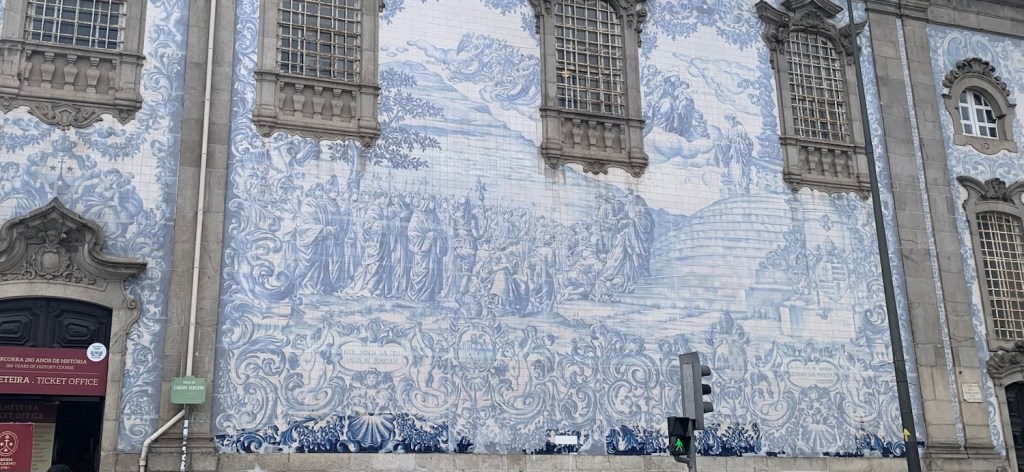
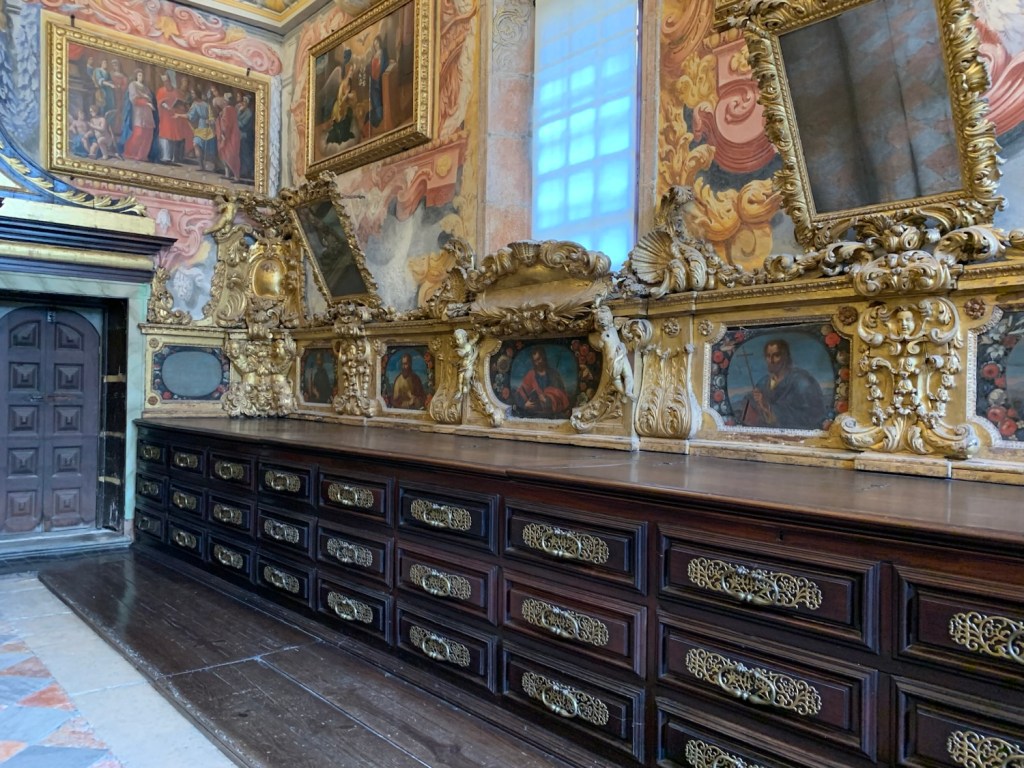
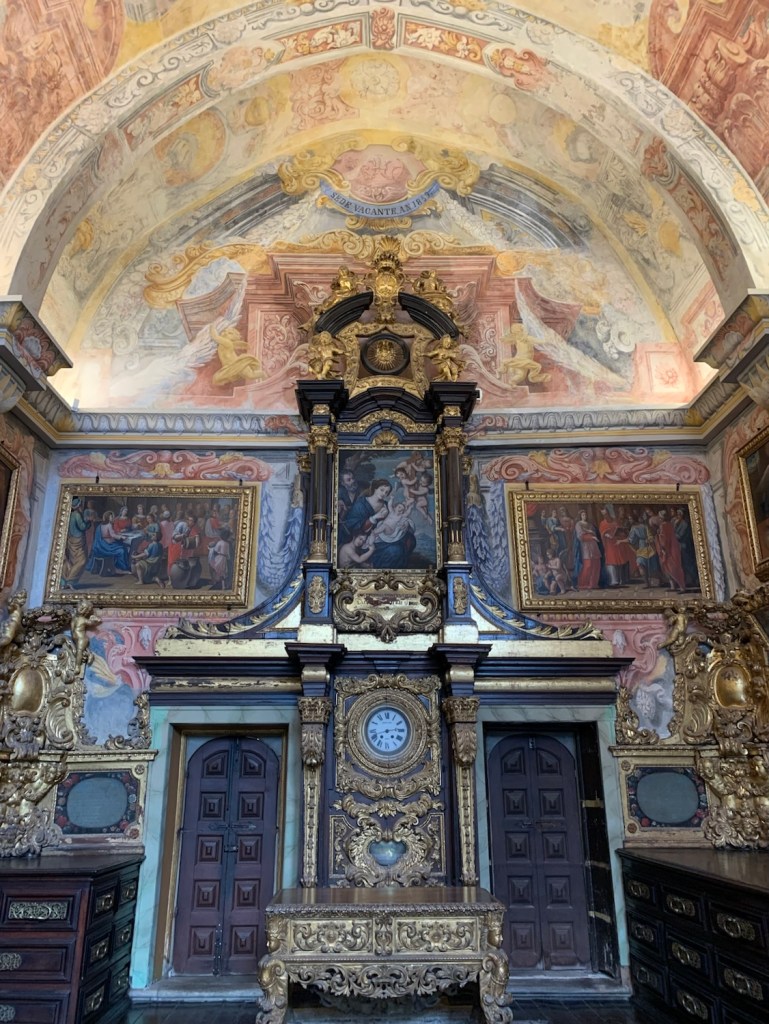
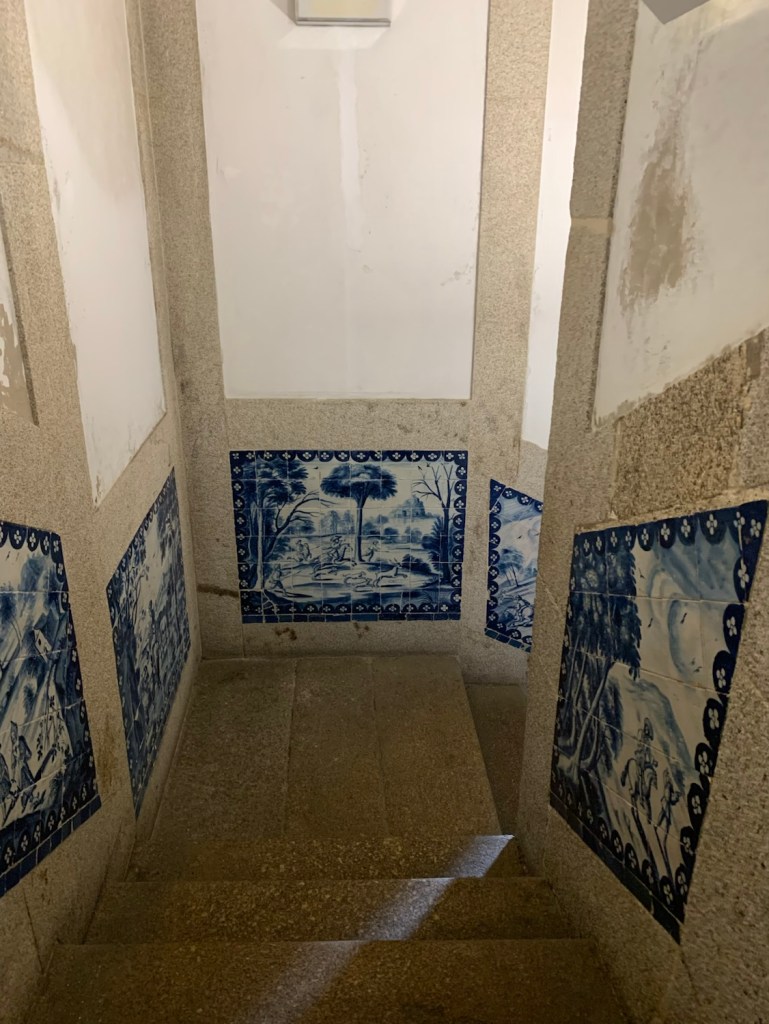
The azulejos were covered with a fine cloth to help with preservation dulling their appearance
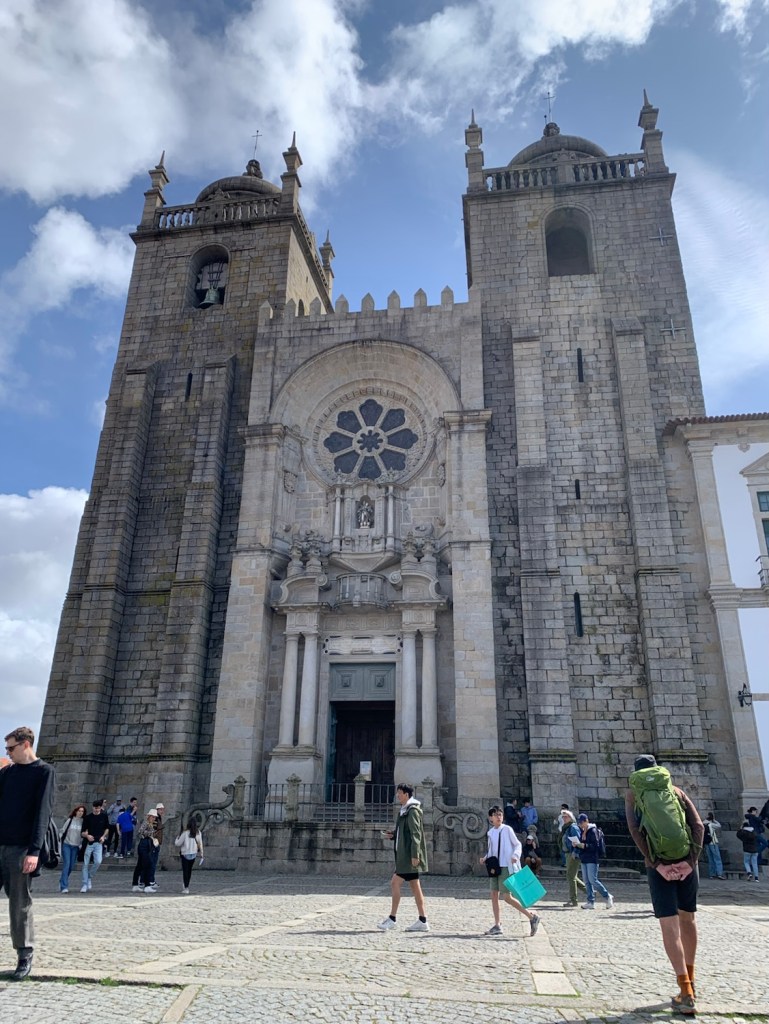
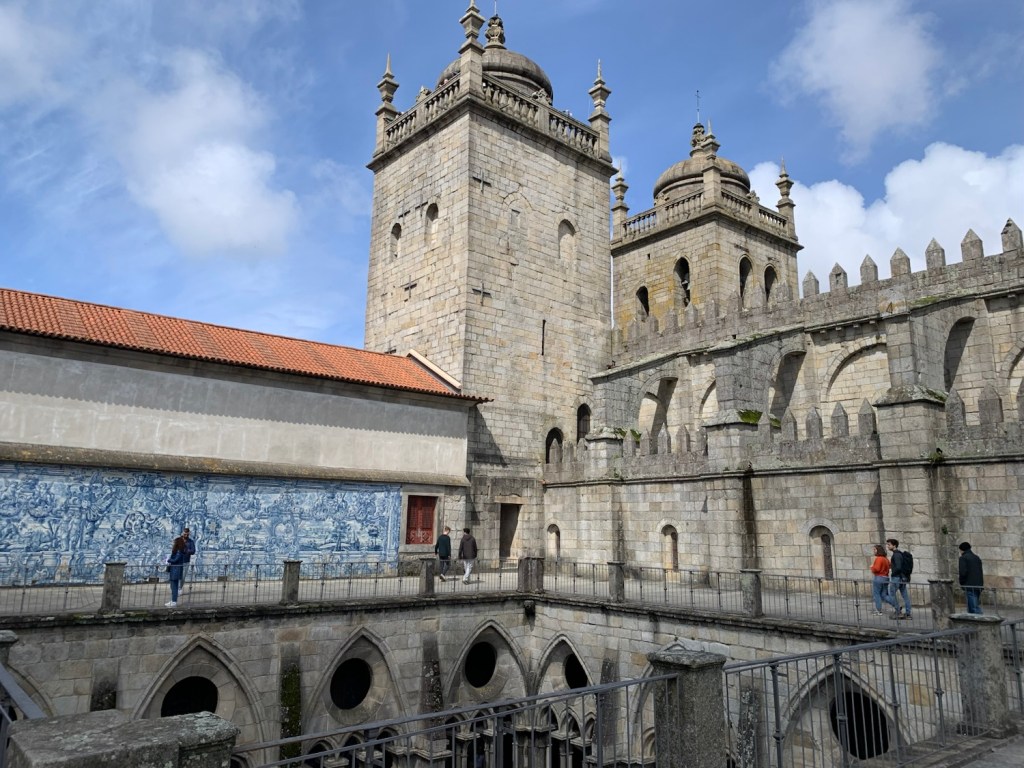
With the exception of the Porto Cathedral, as we needed to get our Camino passports from there.
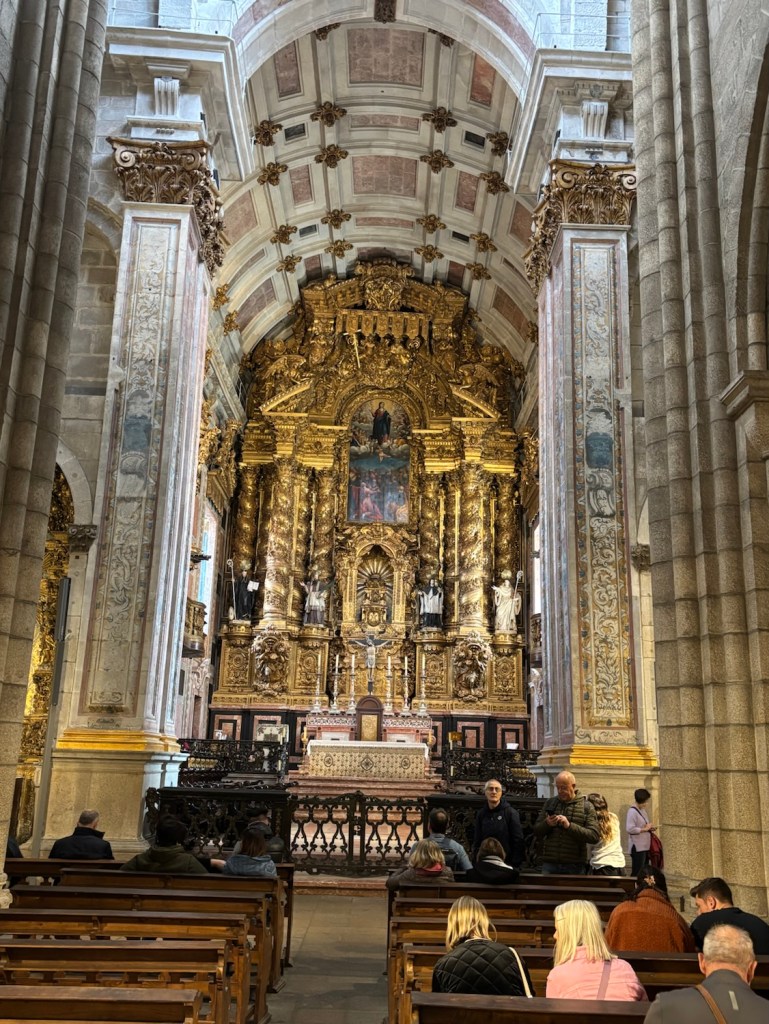
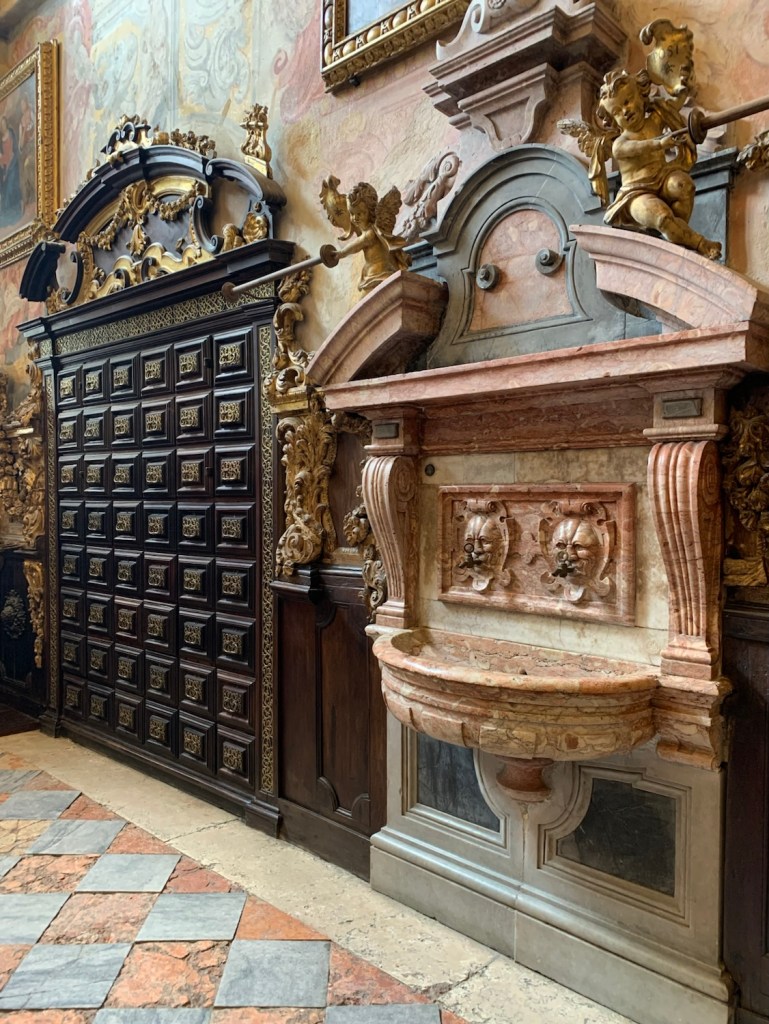
The cathedral was beautiful but I find it hard to reconcile the monies going to create them and their often opulent treasures and artworks when the population cannot have been wealthy.
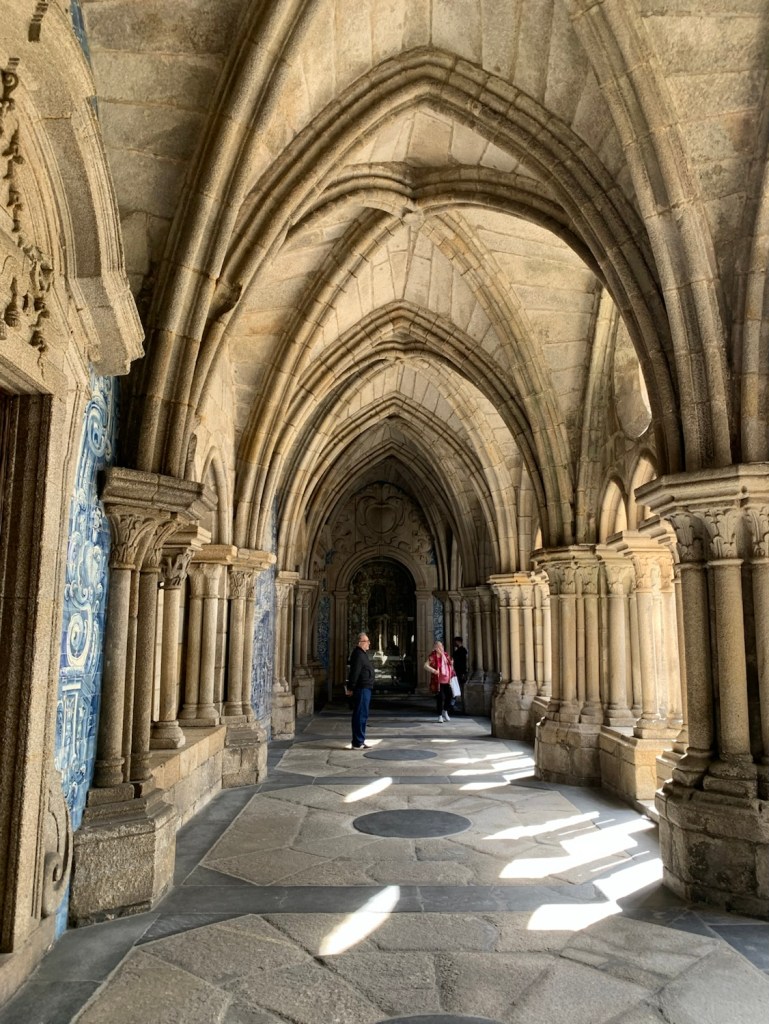
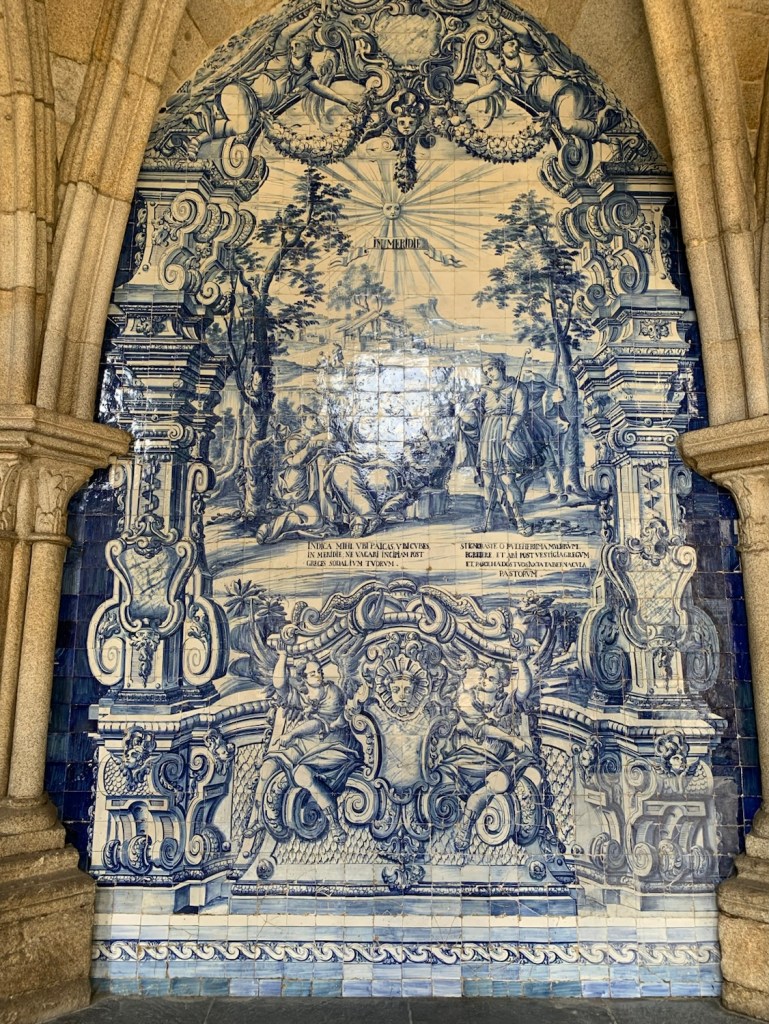
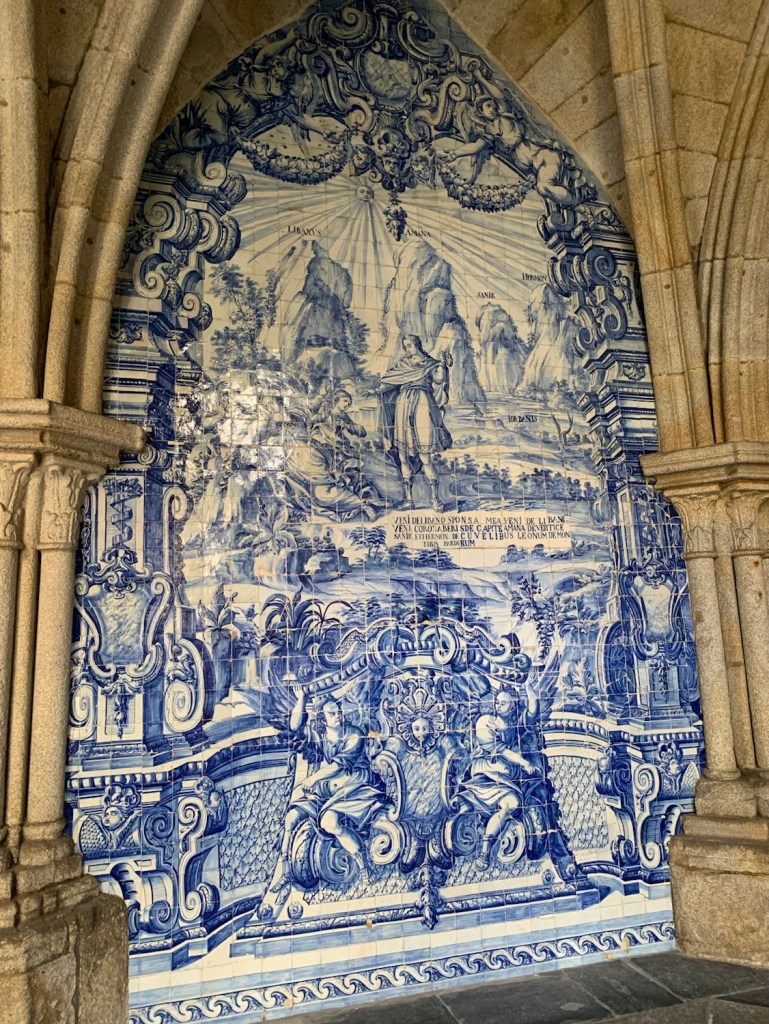
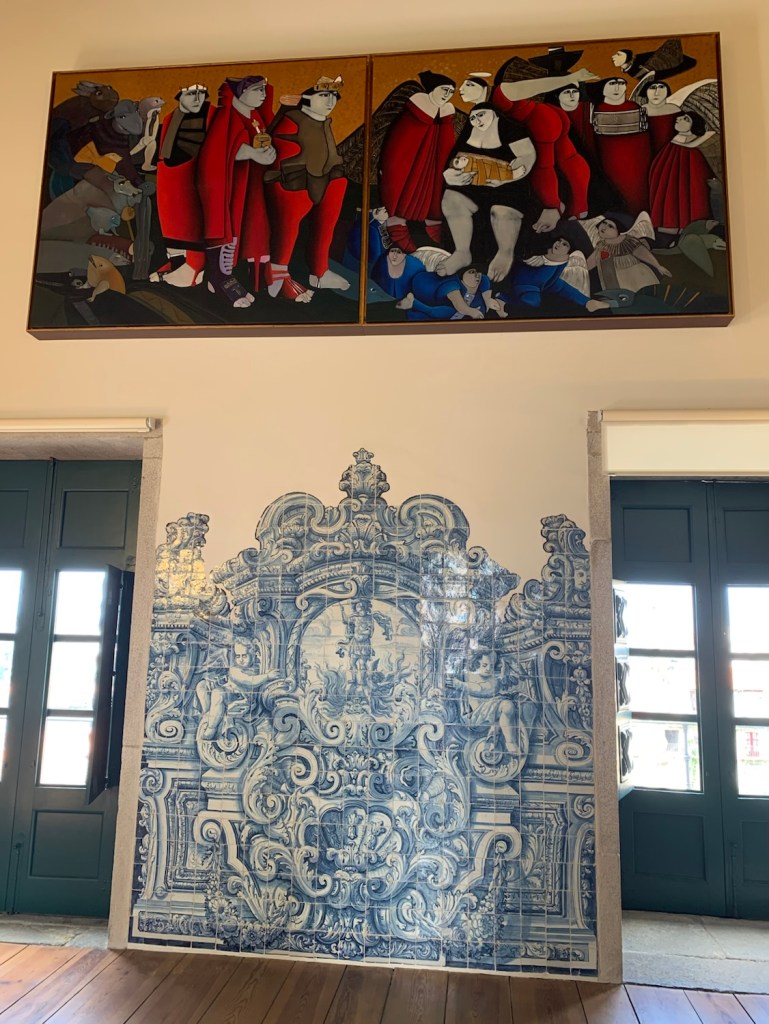
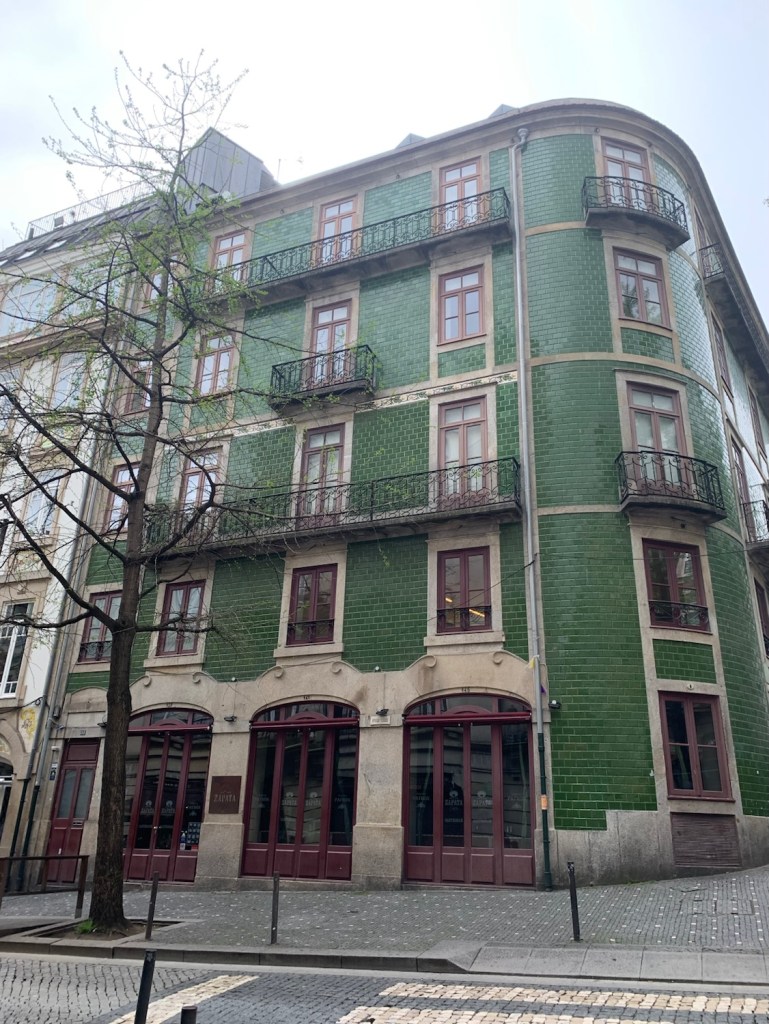
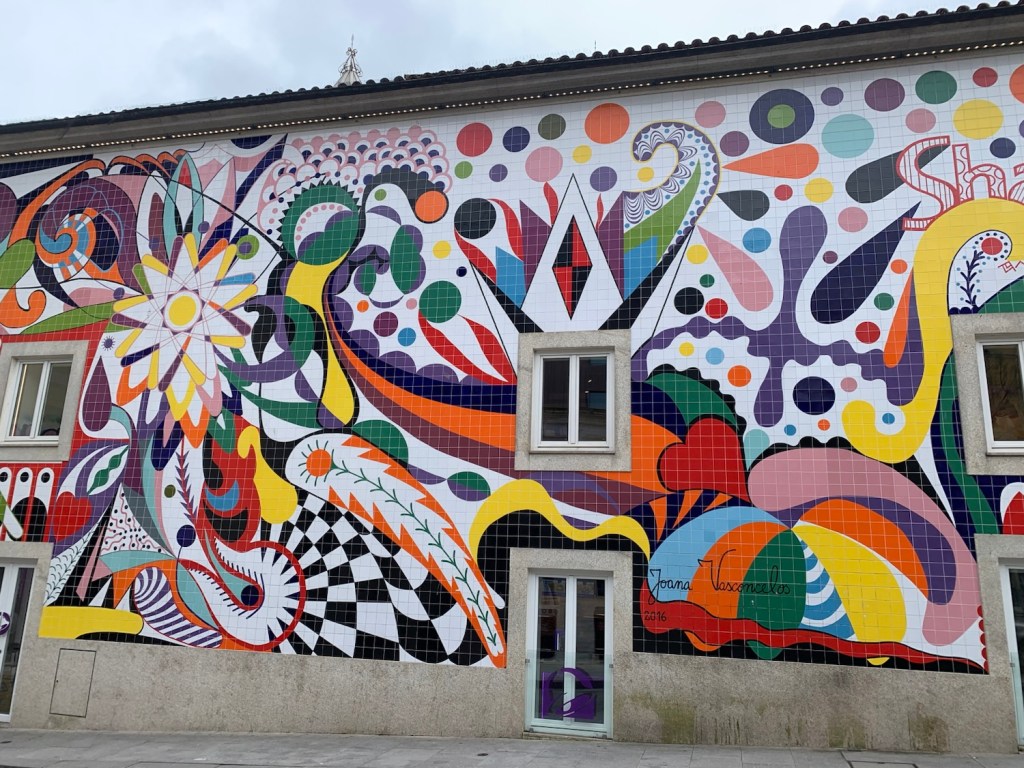
But I find the azulejos utterly captivating.
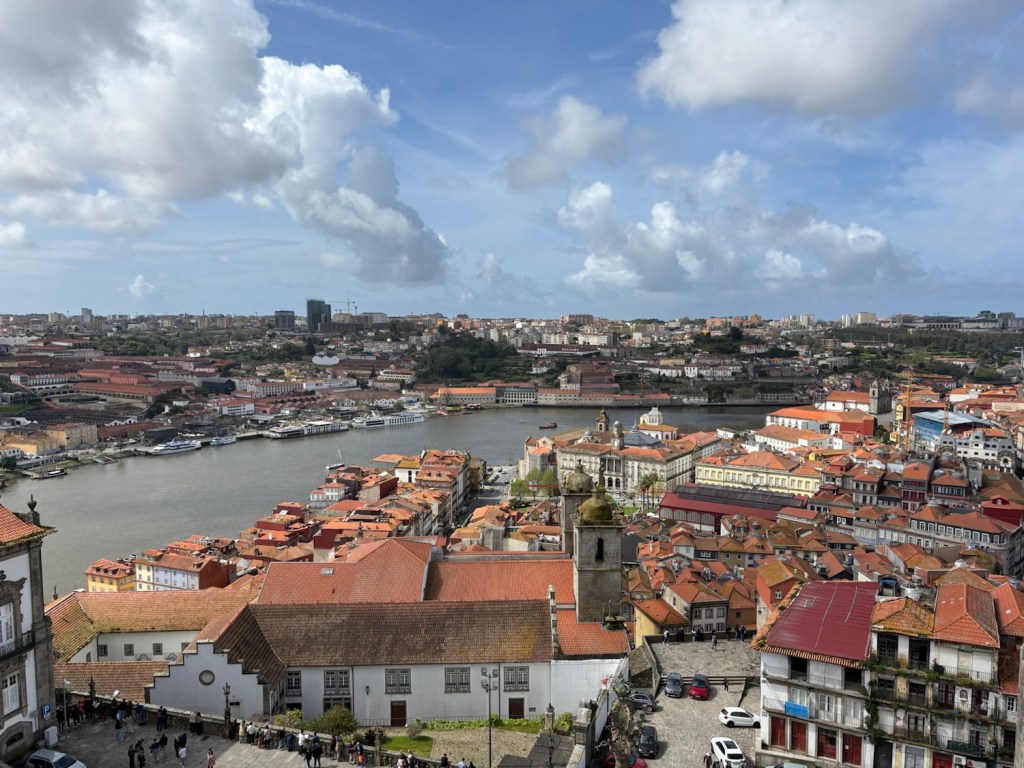
And of course the views from the tower were amazing. Although heights and I don’t get on well, I have been managing to climb the towers and look around but not today. The narrow path outside was too much, back down the stairs I went.
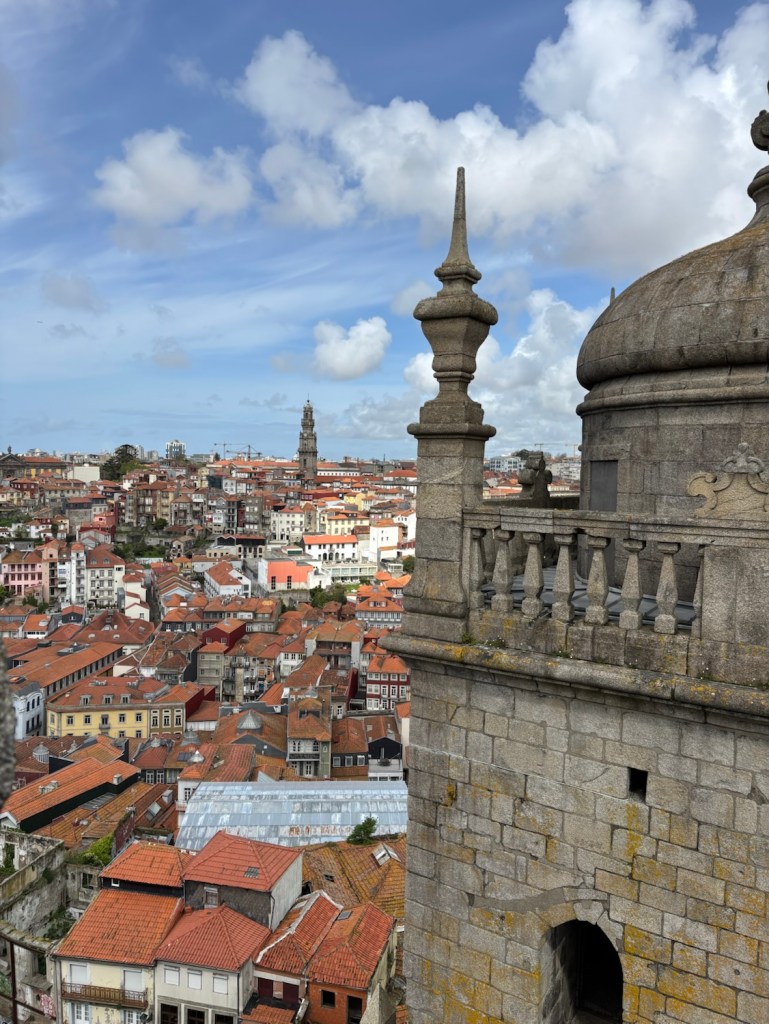
Back in Porto after the walk we stayed just a couple of doors up from our first Porto apartment. So familiar, it was like coming home.
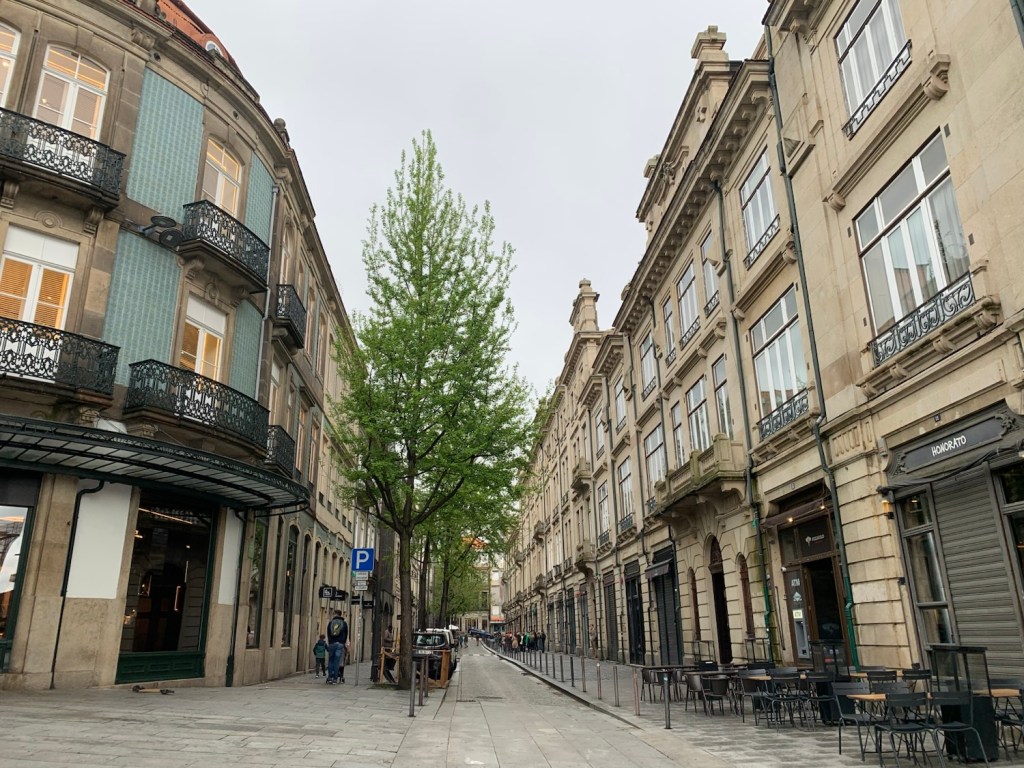
We took a walking tour around the newer parts of the city, from the last 100 years.
Learning old Porto is in a valley with the newer areas on the hills each side made the geography make more sense.
Hearing about the huge textile warehouses to store cloth from the far east and the French influences on style and architecture.
We learnt what we would call a spatula back home is called a “salazar” in Portugal, named after António de Oliveira Salazar, the country’s president for 36 years during the dictatorship and a big fan of austerity. As the people needed to scrape everything they could together to get by, they never left anything behind in the bowl; the salazar name was a less than flattering comment on their country’s dictator.
We saw the streets that were “happening places” after dark and heard about JK Rowling’s connection with the city, where she both lived and drew inspiration from for her books.
We saw the the justifiably described “most beautiful bookstore in the world” the Livraria Lello and a pastelería dating back to 1878 still open today, both of which we visited the following day.
Learned the blue and white colouring of the azulejos (tiles) were influenced by the China and the Ming dynasty.
Walking tours are such a great way to hear about the city from a vibrant local, and a revelation for us.
Livraria Lello dates back to 1906 when the Lello brothers acquired these premises and created a uniquely crafted bookstore from which they sold some of their own publishing house books and renown literature from around the world.
The interior is incredibly beautiful with its wooden staircase and patterning and stained glass skylight, it’s hard to get a full appreciation of its beauty as it is a tourist mecca. Tickets needed to purchased for a certain time and once inside it is packed.
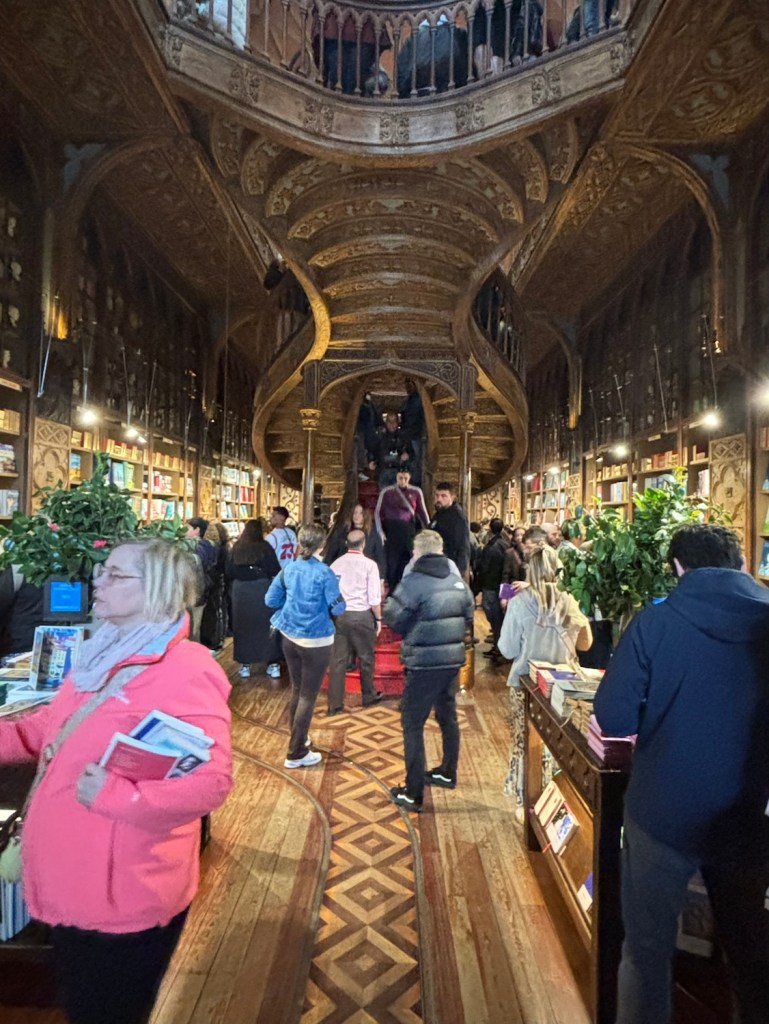
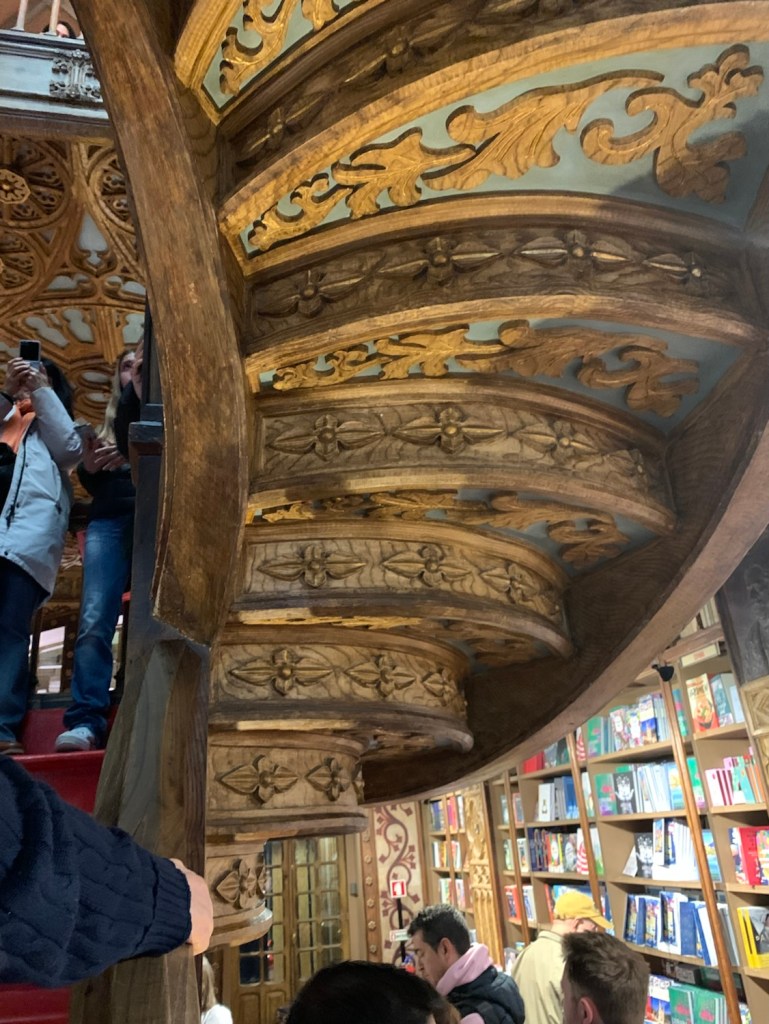
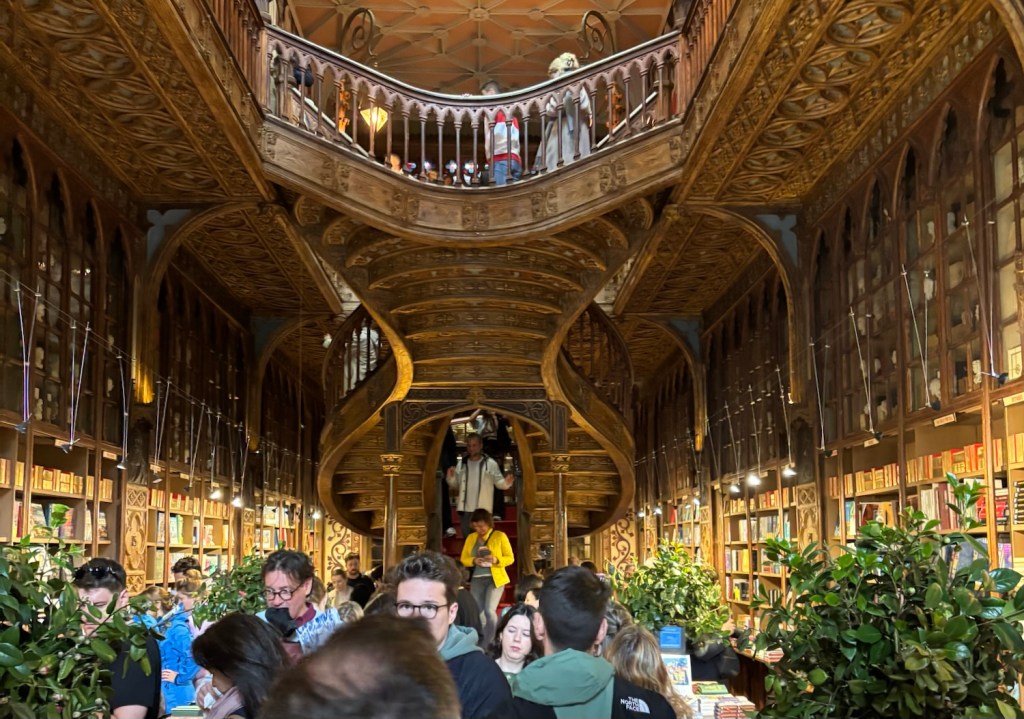
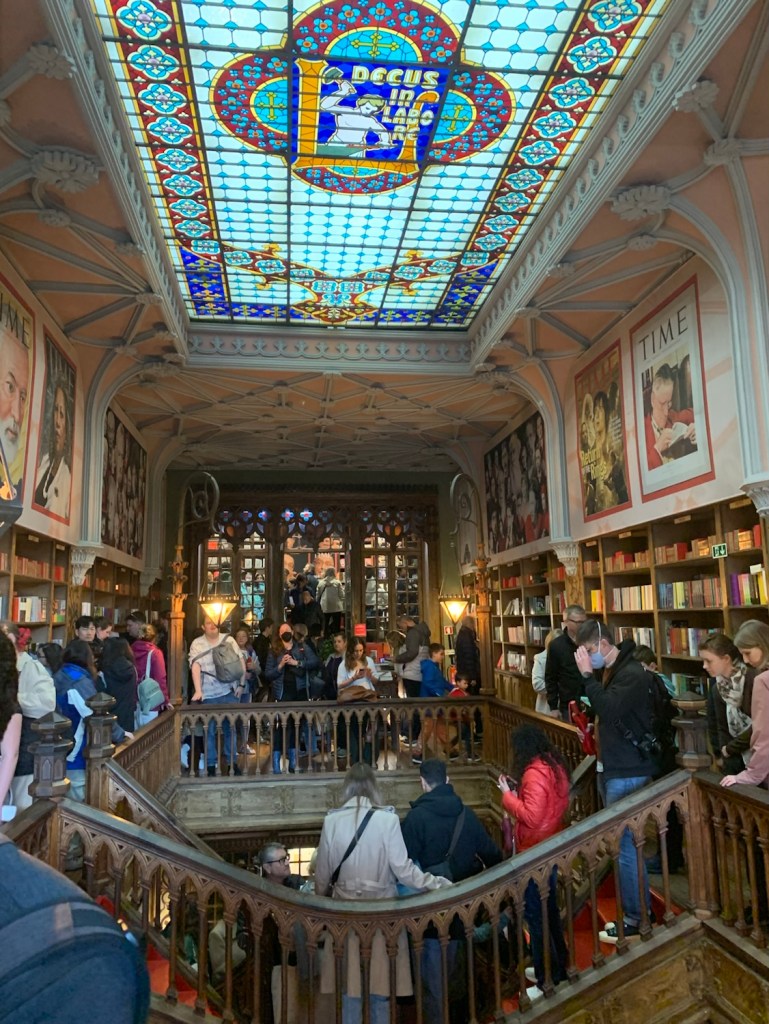
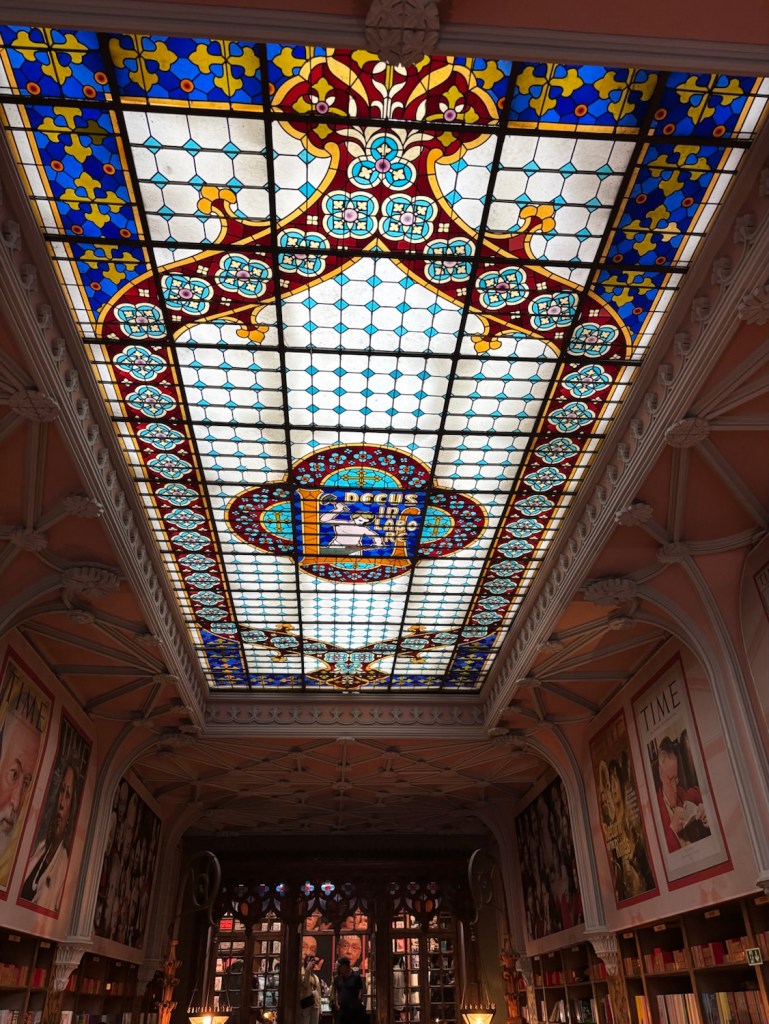
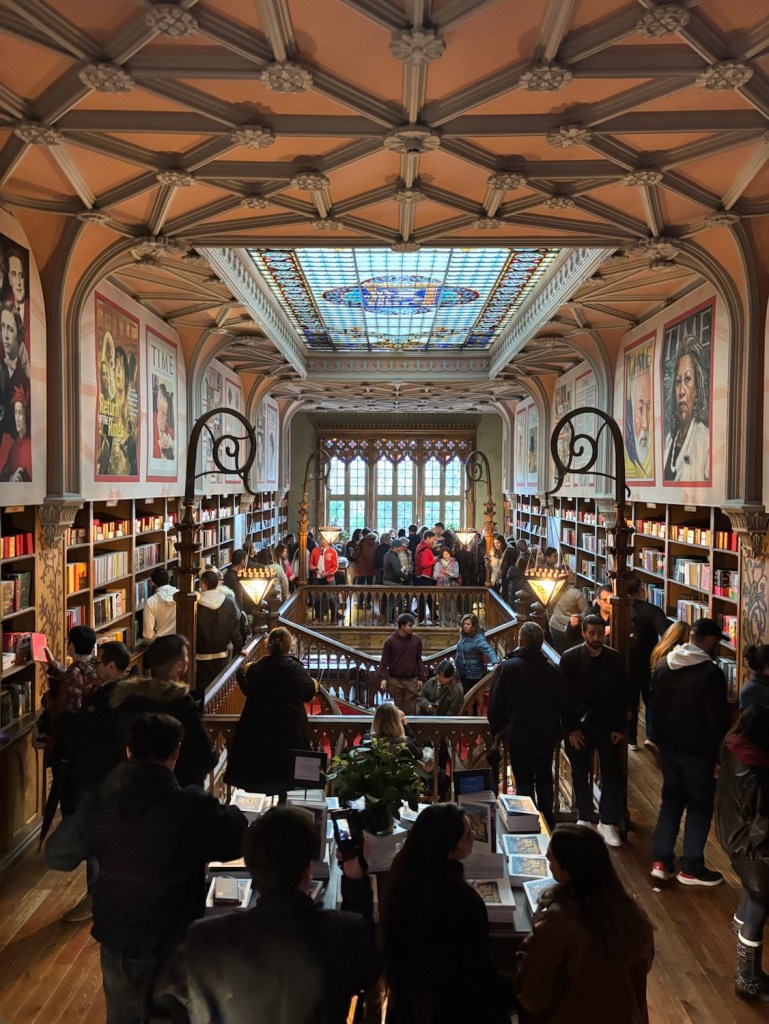
Our €10 ticket price could be used as a discount off a book purchase, with which I bought Portugal’s Nobel prize winning novelist José Saramago’s historical novel Baltasar and Blimunda.
With so many great books to peruse to would have very easy to spend a few hours milling around the store.
With book in hand it was time to visit Padaria Ribeira for coffee and treats, which has been operating in the same place since 1878.
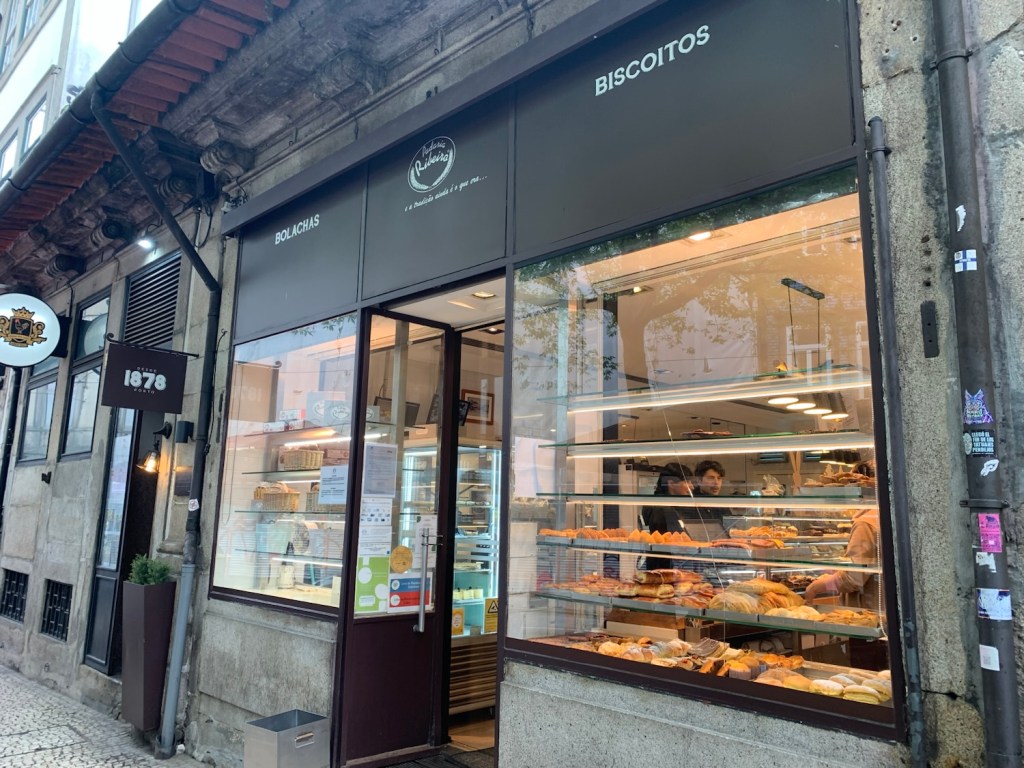
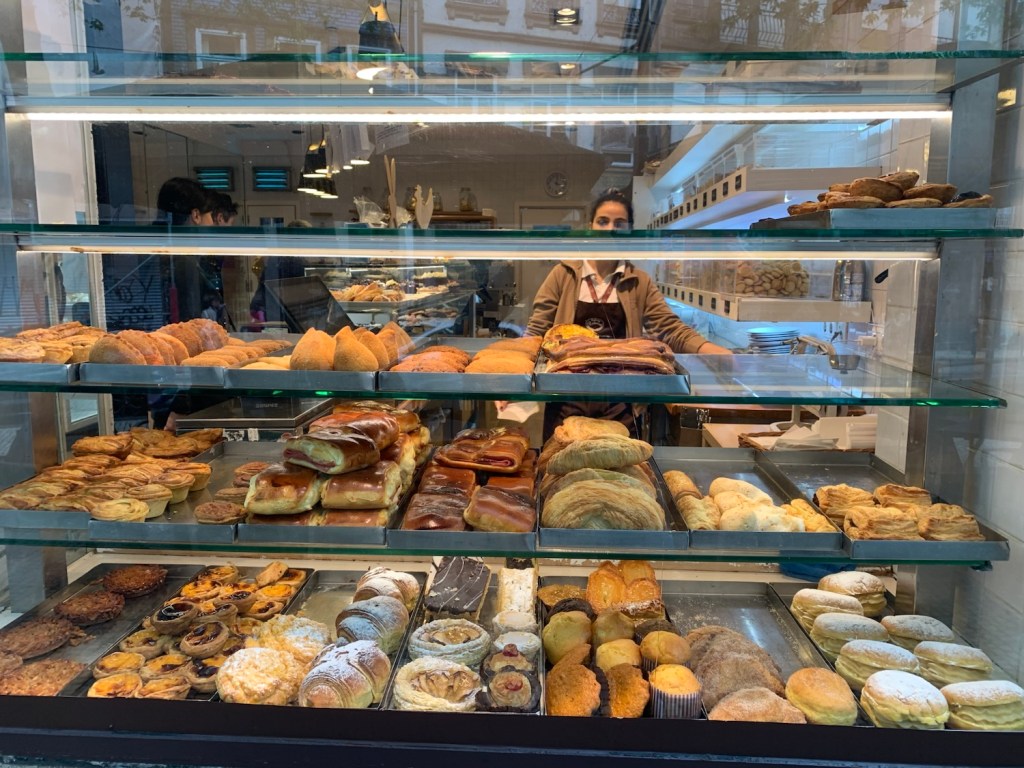
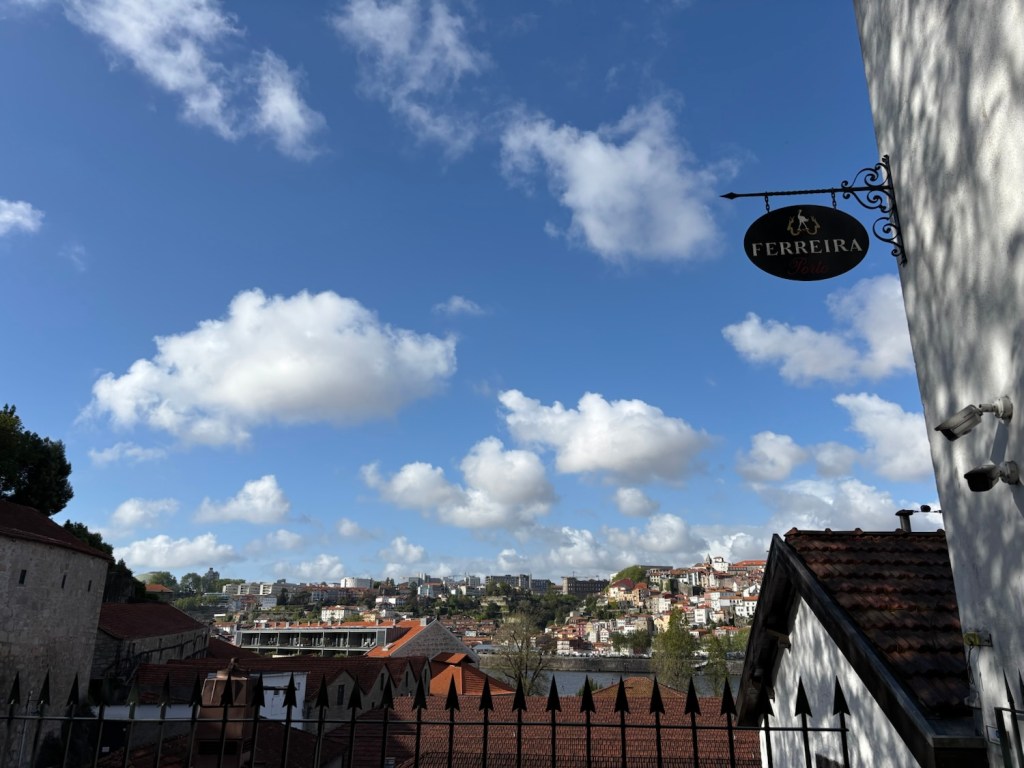
Our last tourist experience was a port tasting at the house of Ferriera back across the river.
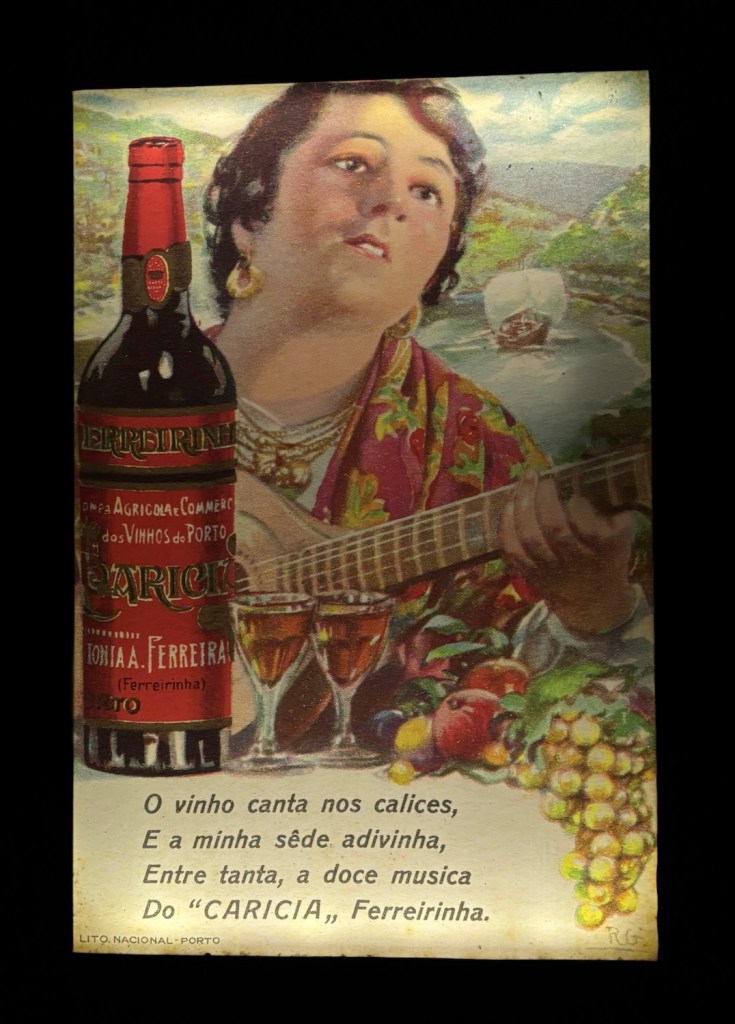
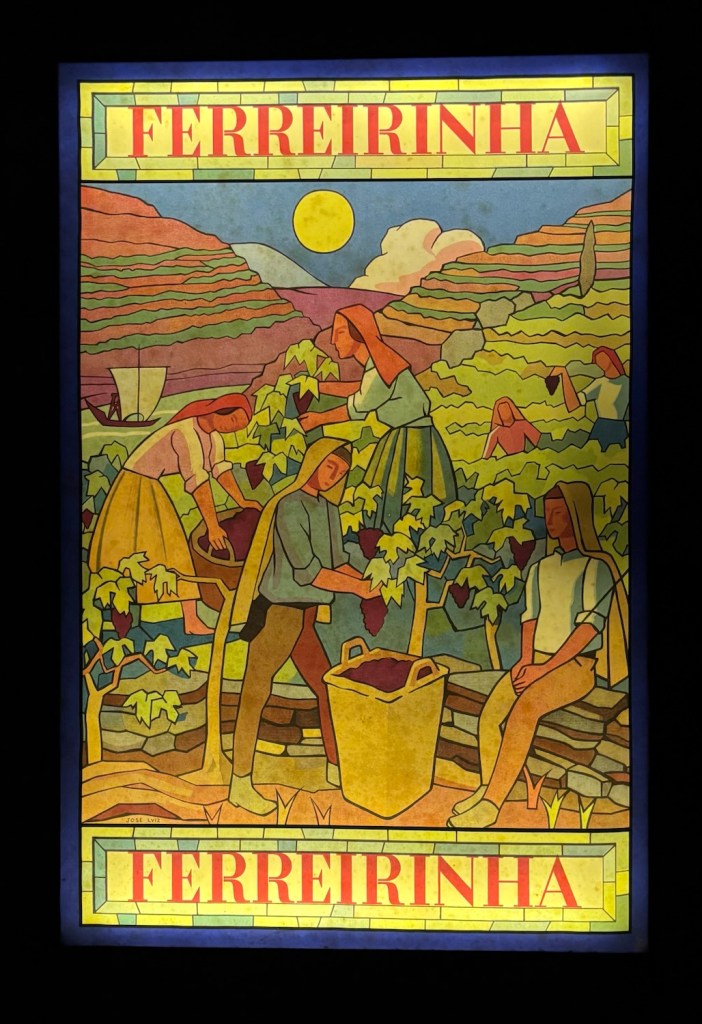
Similar to the French Cliquot story, Ferriera was run by a woman, Dona Antionia after her husband’s passing.
Founded in 1751, it is the only port wine house still owned by Portuguese. It is currently owned by a family business who were the original creators of “Mateus Rose”.
The tour through the underground cellars was fascinating, the barrels themselves, the wooden floors made up of small blocks, oriented on their end-grain to provide a resilient surface to roll said valuable barrels without damage, and also designed to be soaked with water in the summer to regulate temperature, simple and clever.
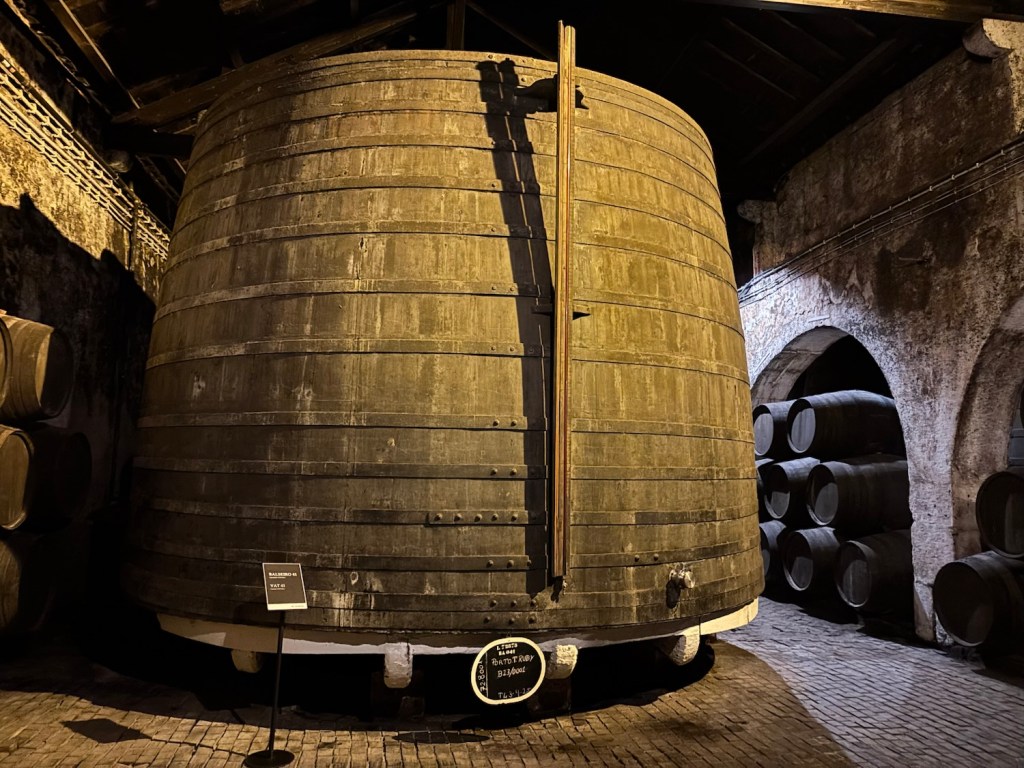
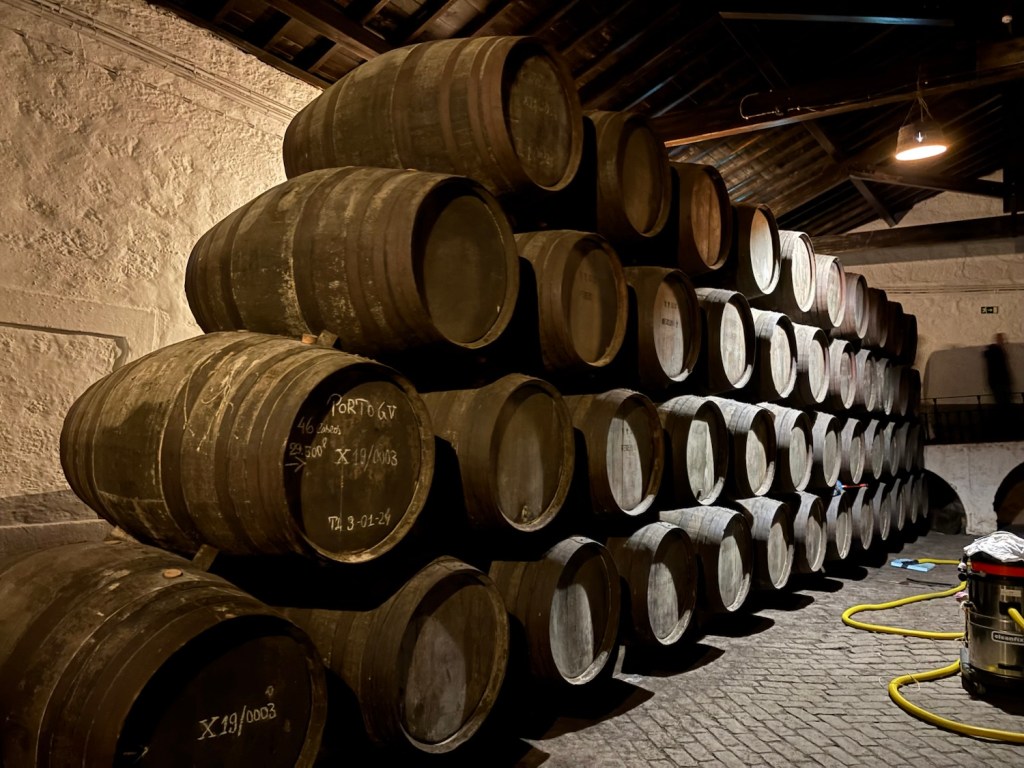
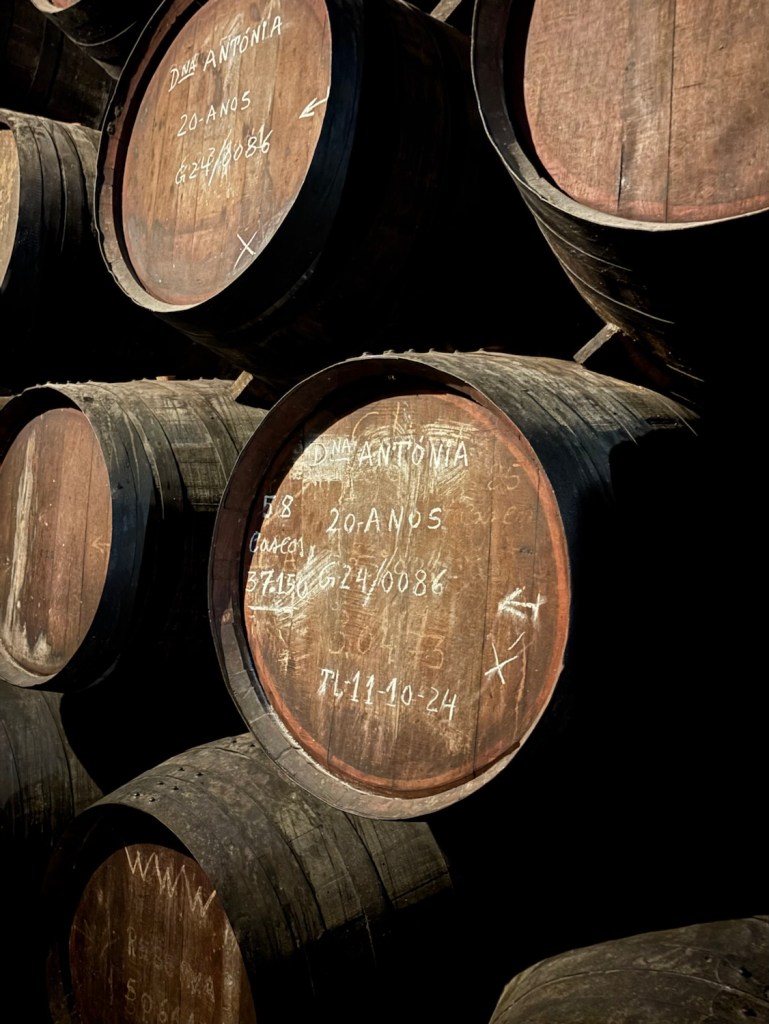
No sugar is added to Port. The wine is aged in oak barrels after a few short days fermentation, stopped by the addition of grape spirit (aguardente) which raises the alcohol level to a point where it kills the yeast and preserves the natural sweetness of the grapes. Ingenious and so practical.
Aging and blending create the finished product: Ruby port is fermented in large French oak barrels or stainless steel vats and aged for a relatively short period – two to three years.
Tawny port is aged for up to 40 years, in smaller barrels that allow for more oxidation, giving the characteristic colour and together with the wood contact and blending, the more complex depth of flavours.
White port is made using white grapes and fermented like Ruby port. Rosé port is also made the same way, using red grapes with minimal skin contact time to give the lighter colour.
We finished of course with a tasting of the 3 port wines – white, tawny, and ruby. My preference was the ruby port while Greg enjoyed everything he could lay his hands on.
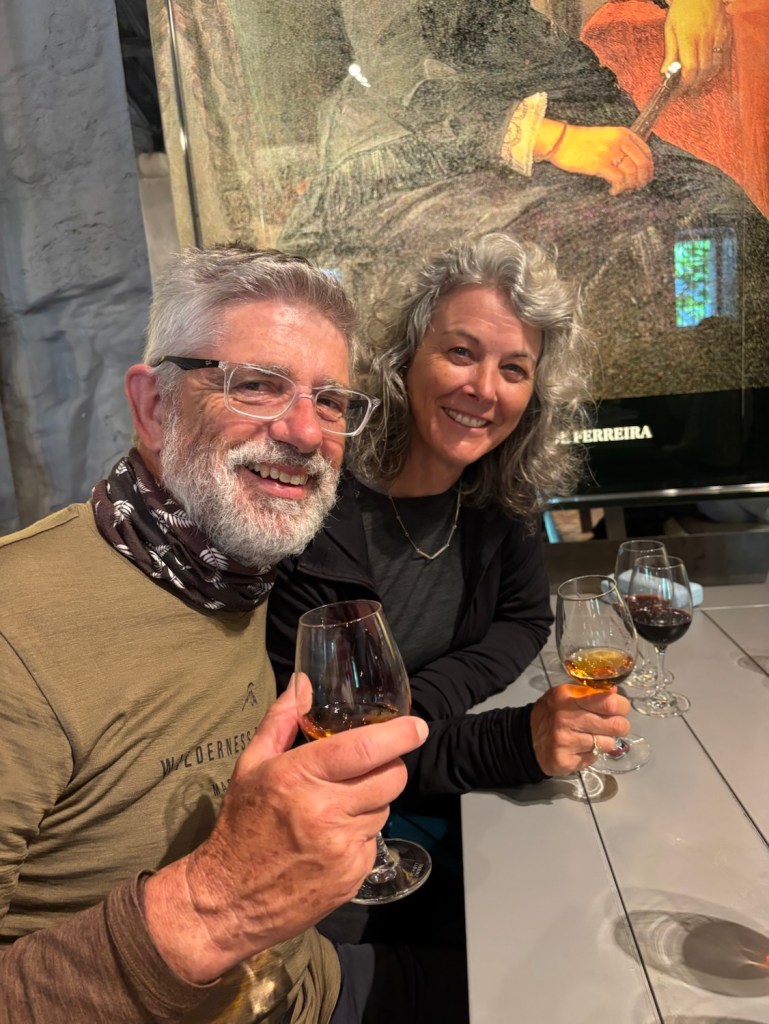
We managed to enjoy our glasses plus share the almost untouched contents of our neighbours with the Canadian family sitting opposite, as we together prayed for Mark Carney’s safe election. Spiritual devotion on a lovely Porto afternoon! Prayers answered too as it turned out.
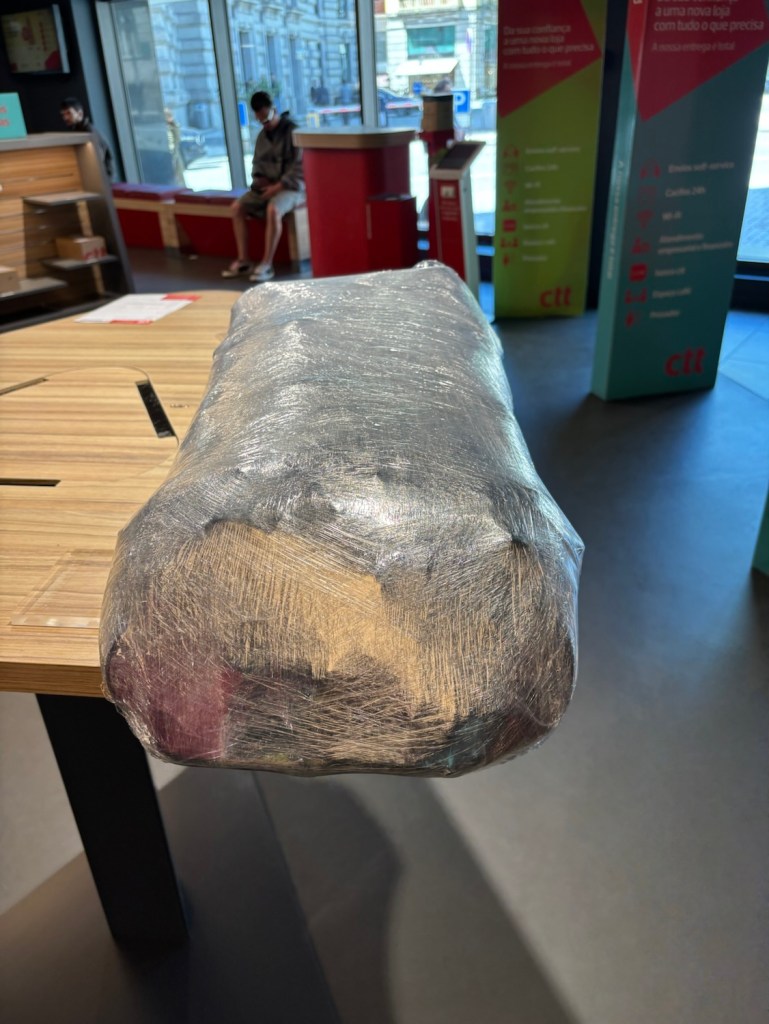
Porto continued to delight on our last day as Greg walked to the post office to send the packs and poles home.
Even with beautiful singing to enjoy.
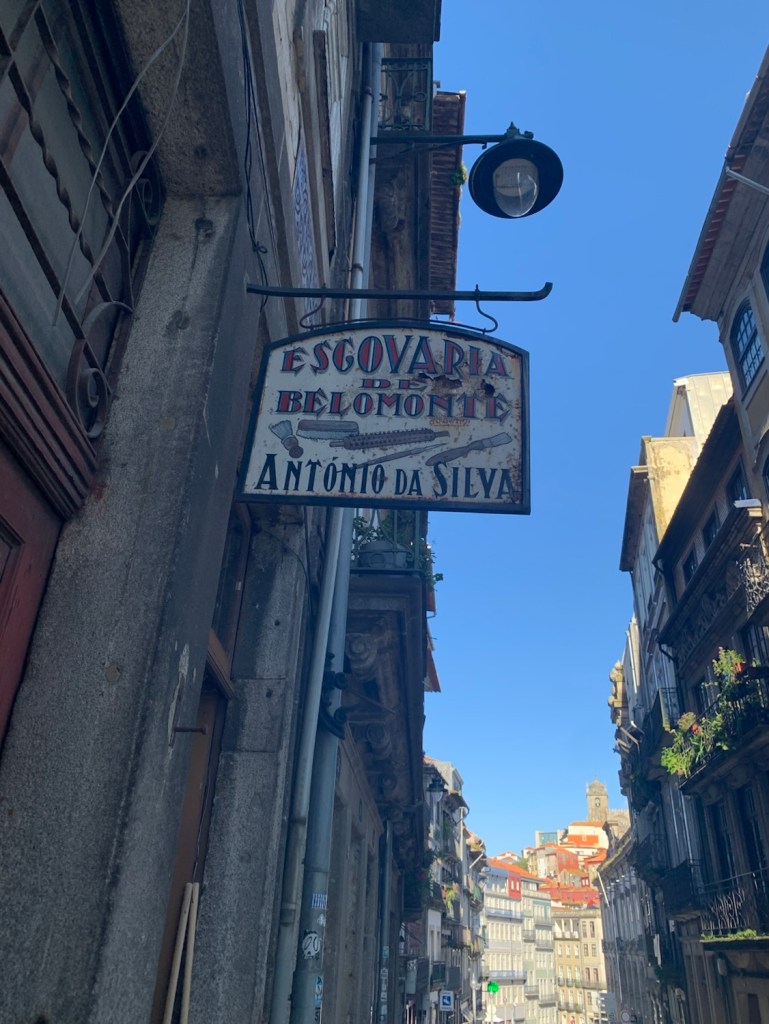
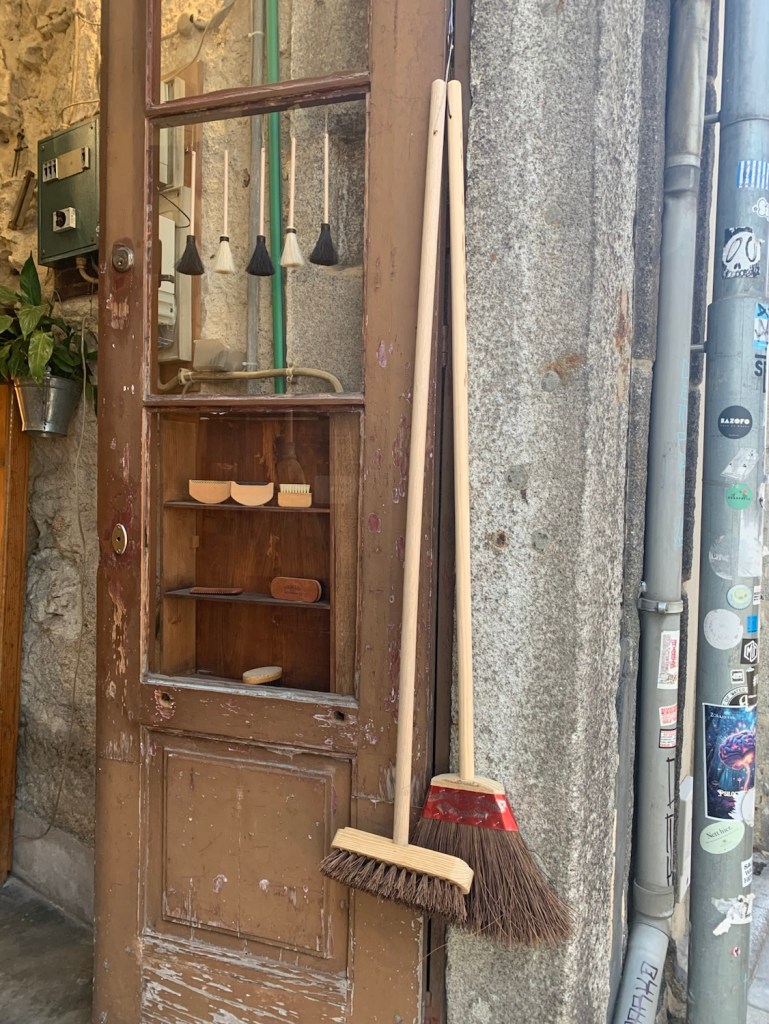
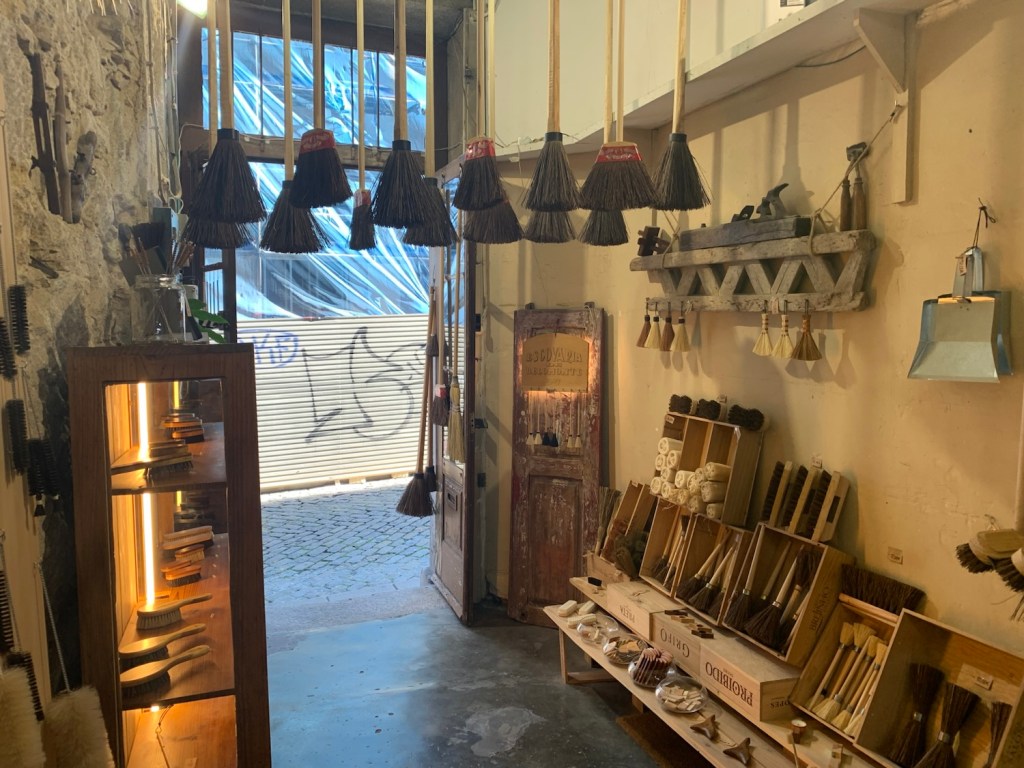
While I’d discovered a handmade brush shop, which has been in business since 1927. They were beautiful! In the different time, I would have loved to apprentice there.
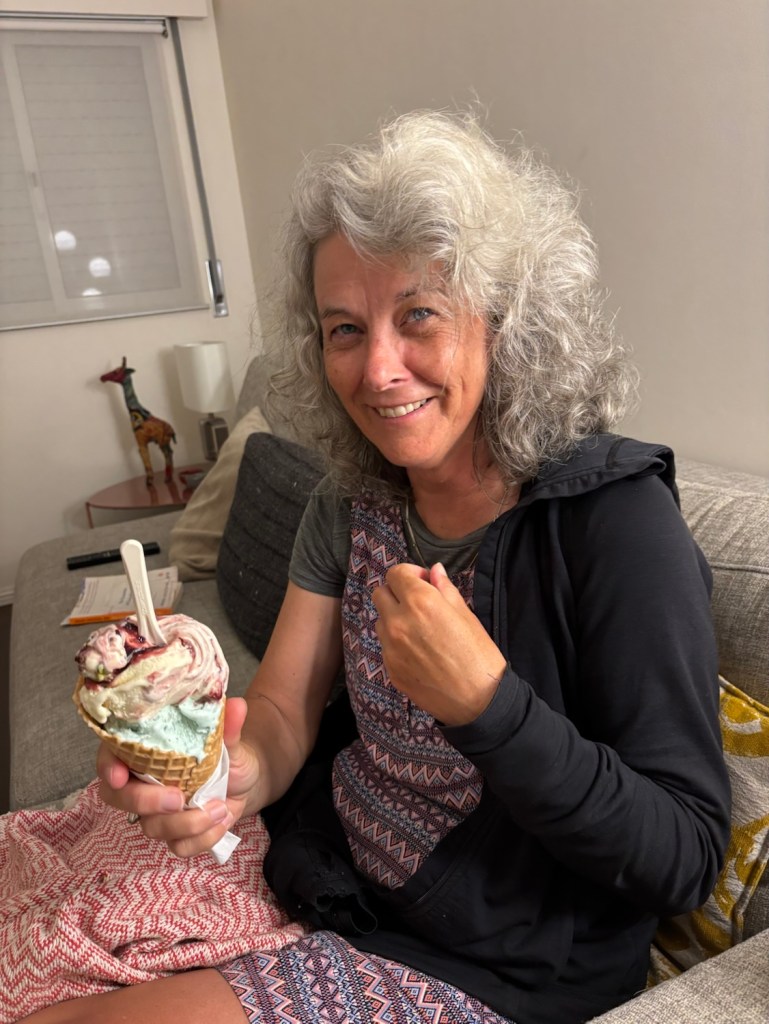
With the final Porto treat consumed, we are ready to cycle on…
And a couple of random extras…
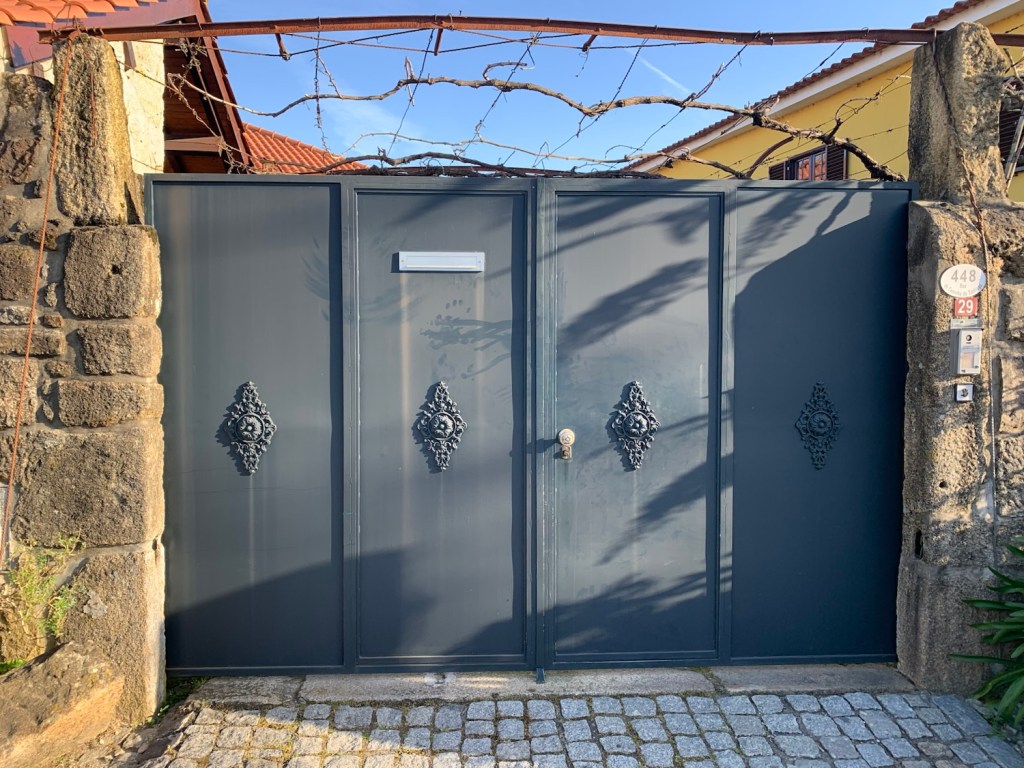
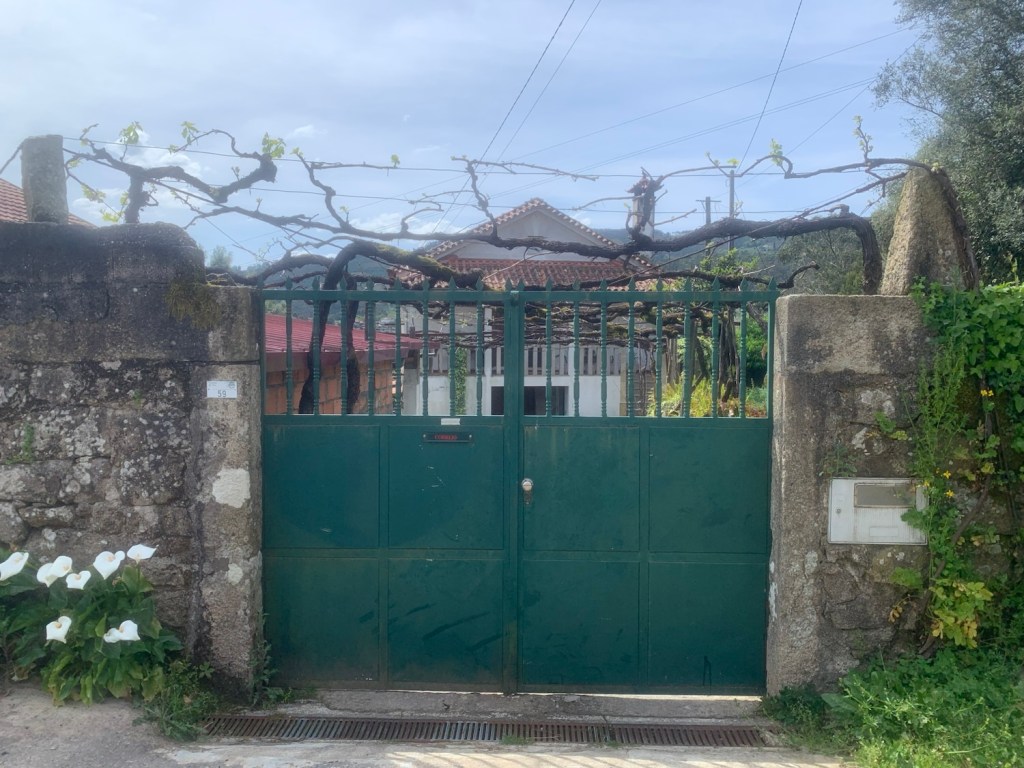
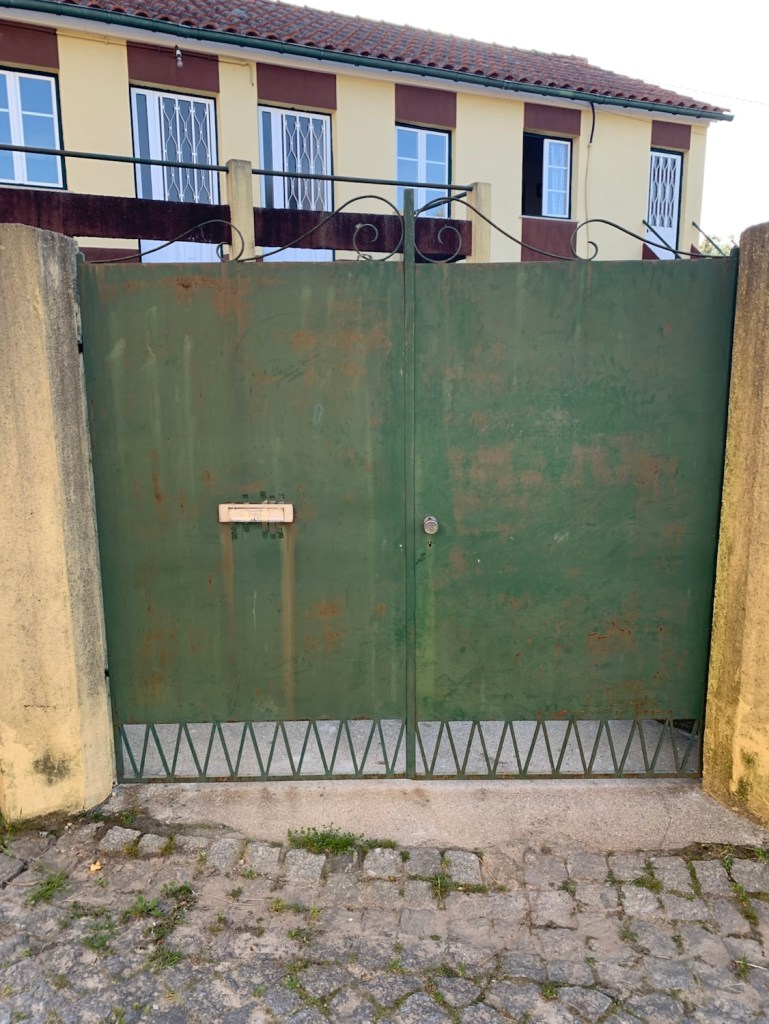
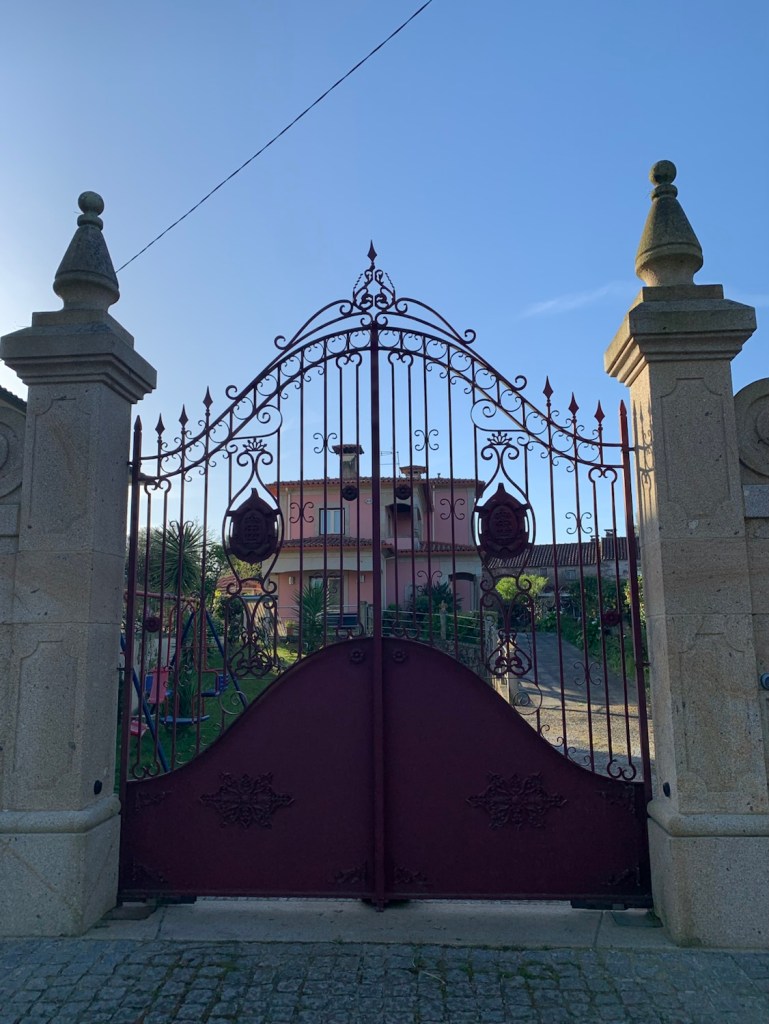
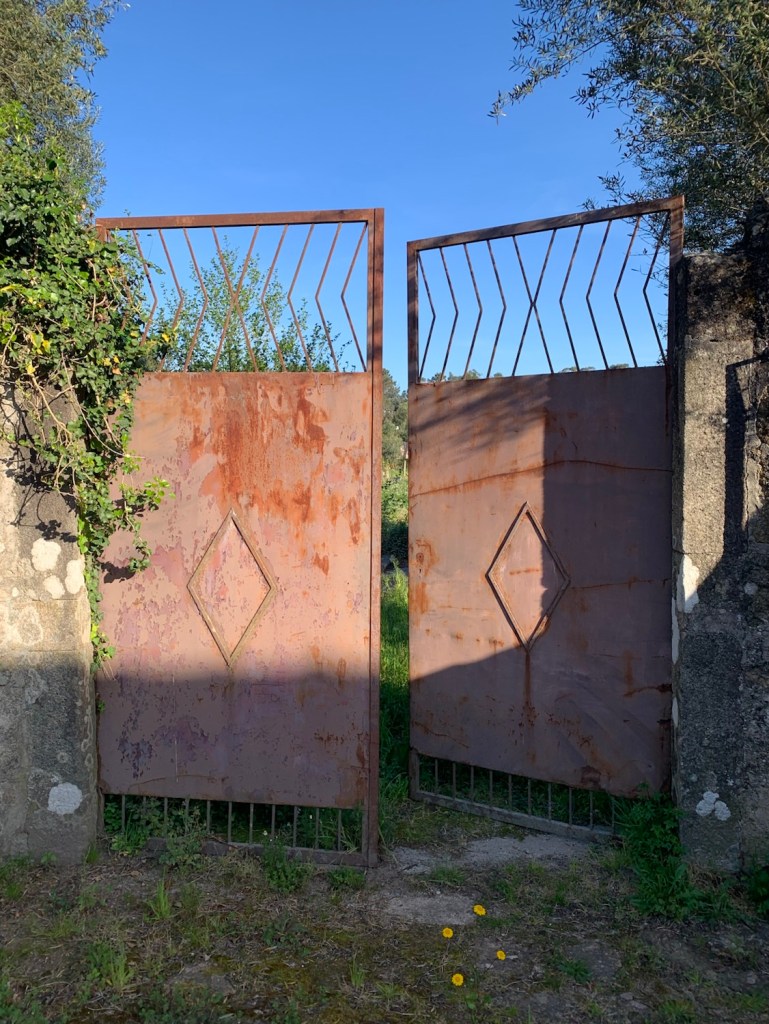
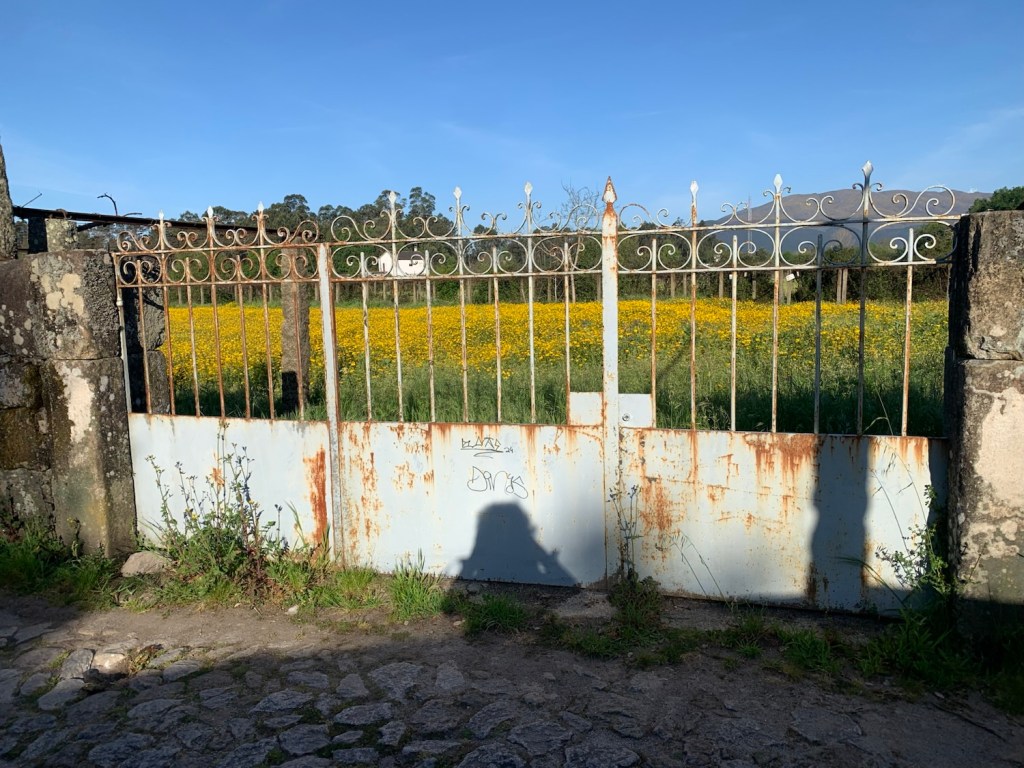
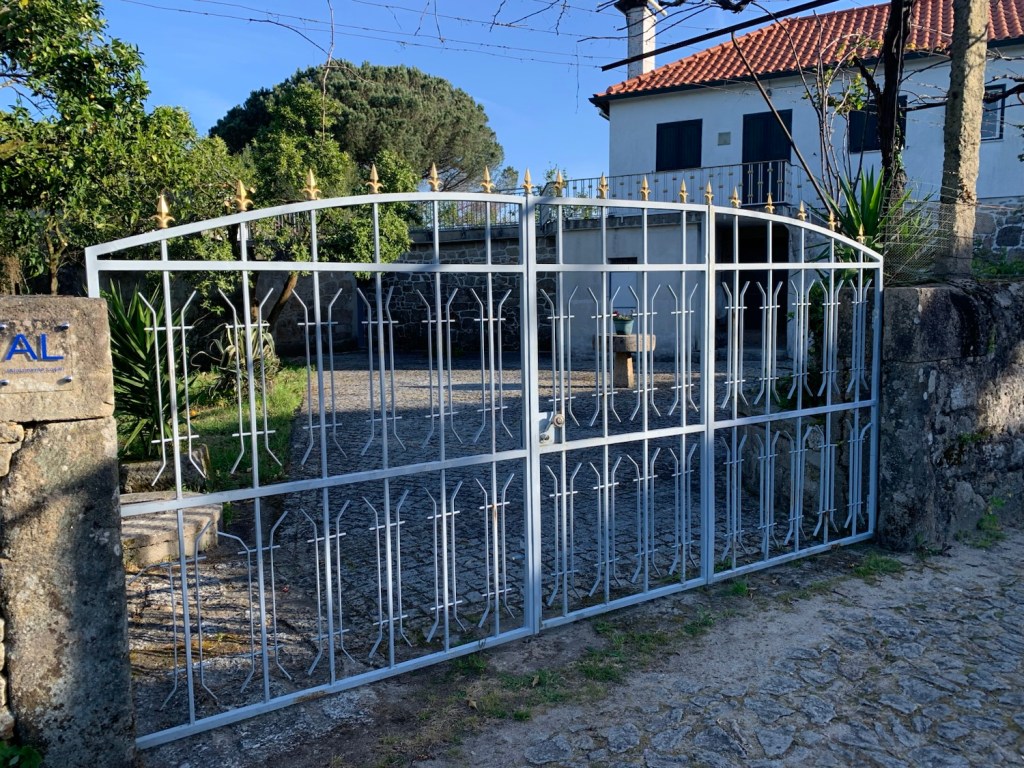
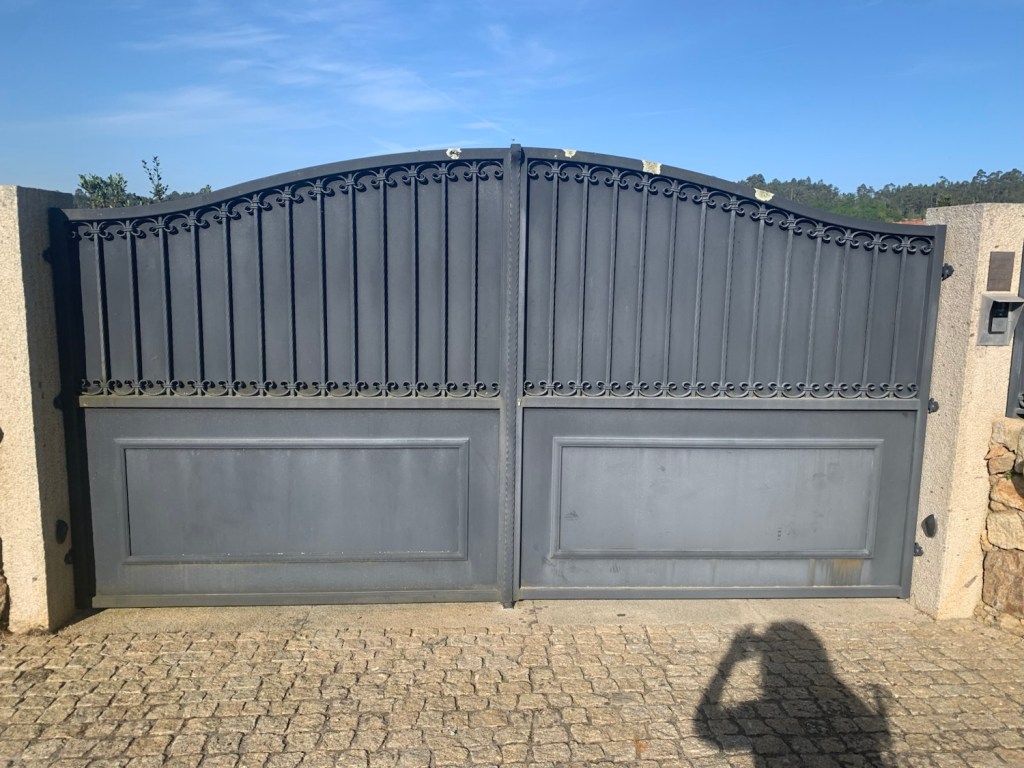
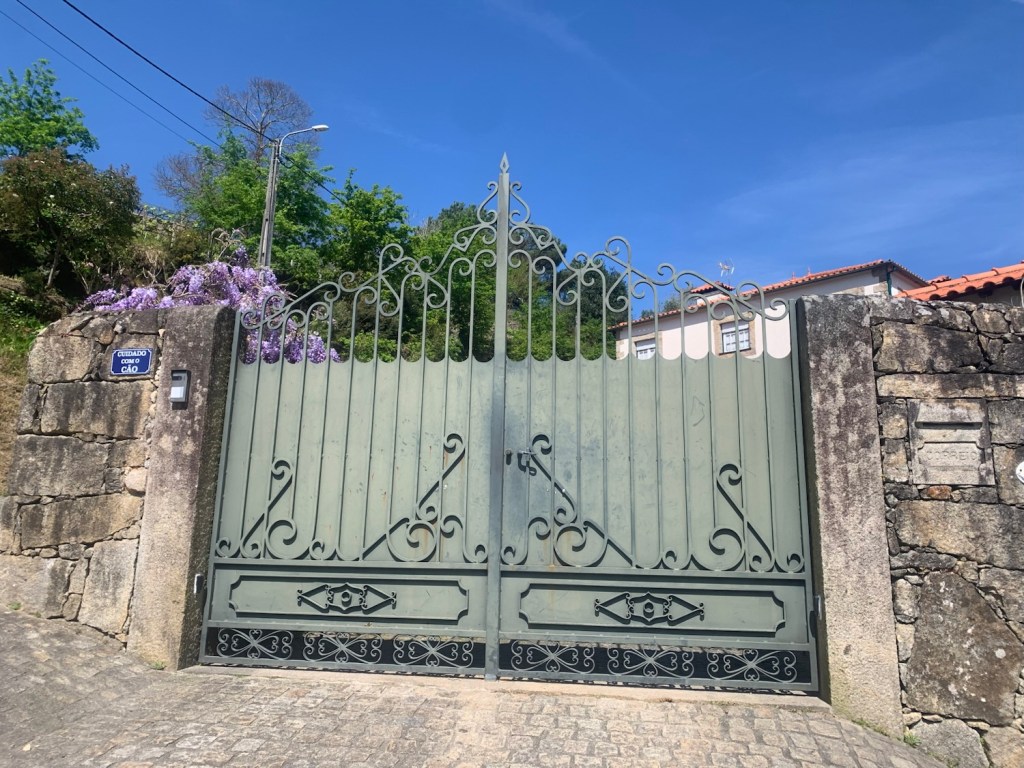
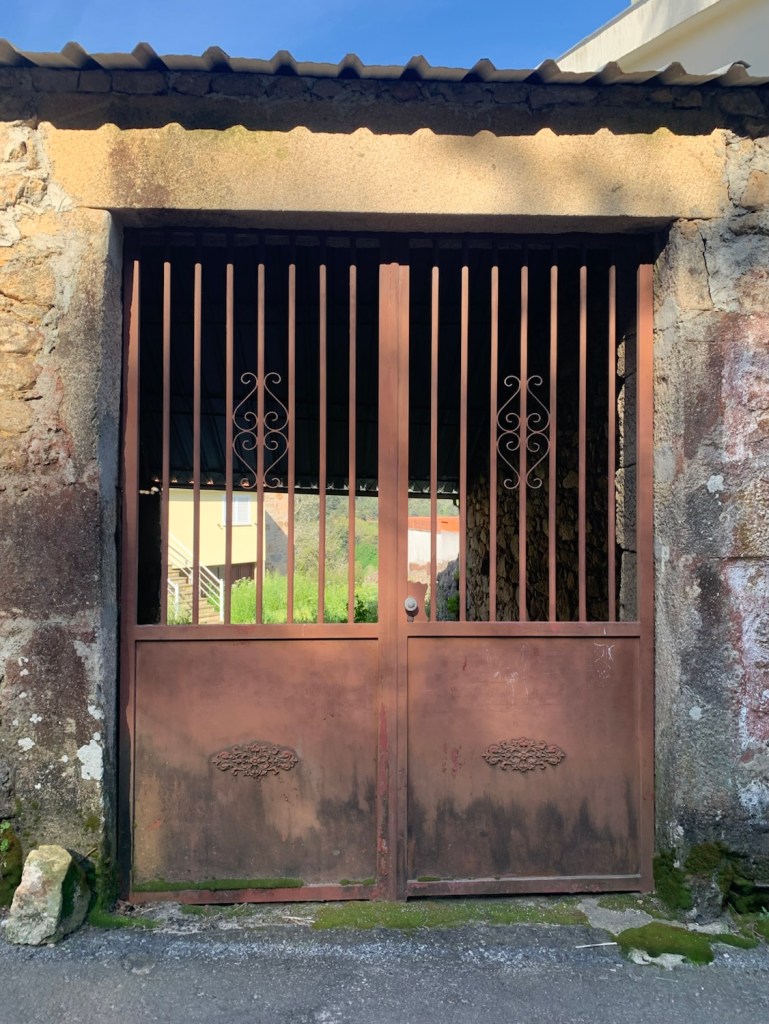
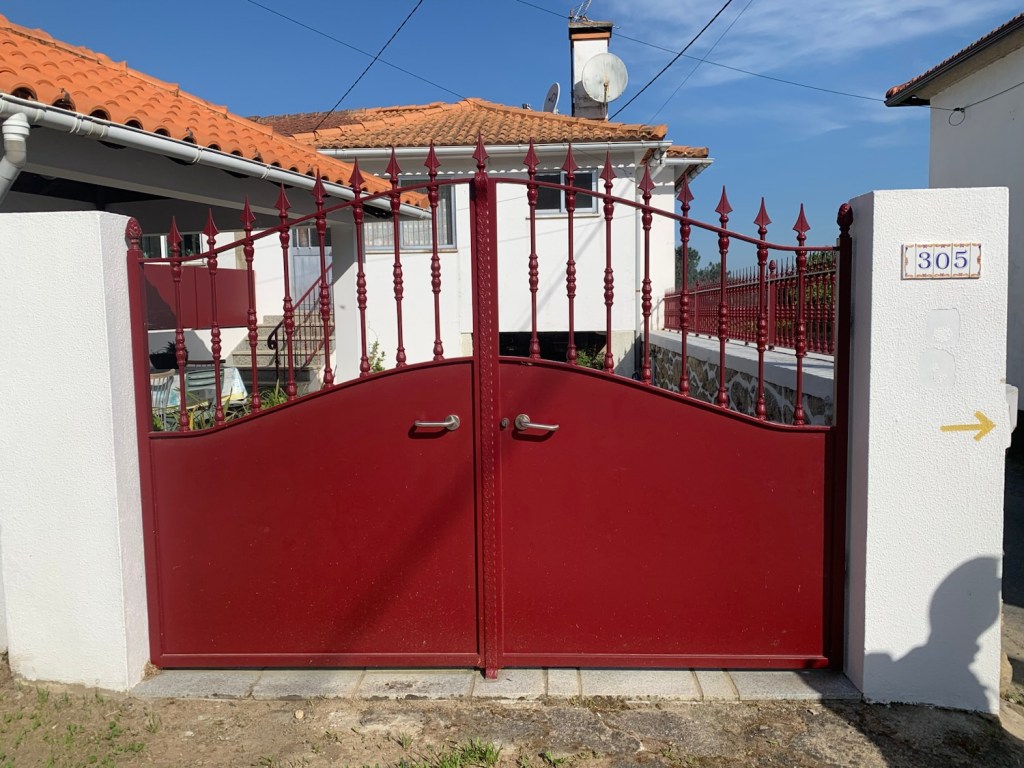
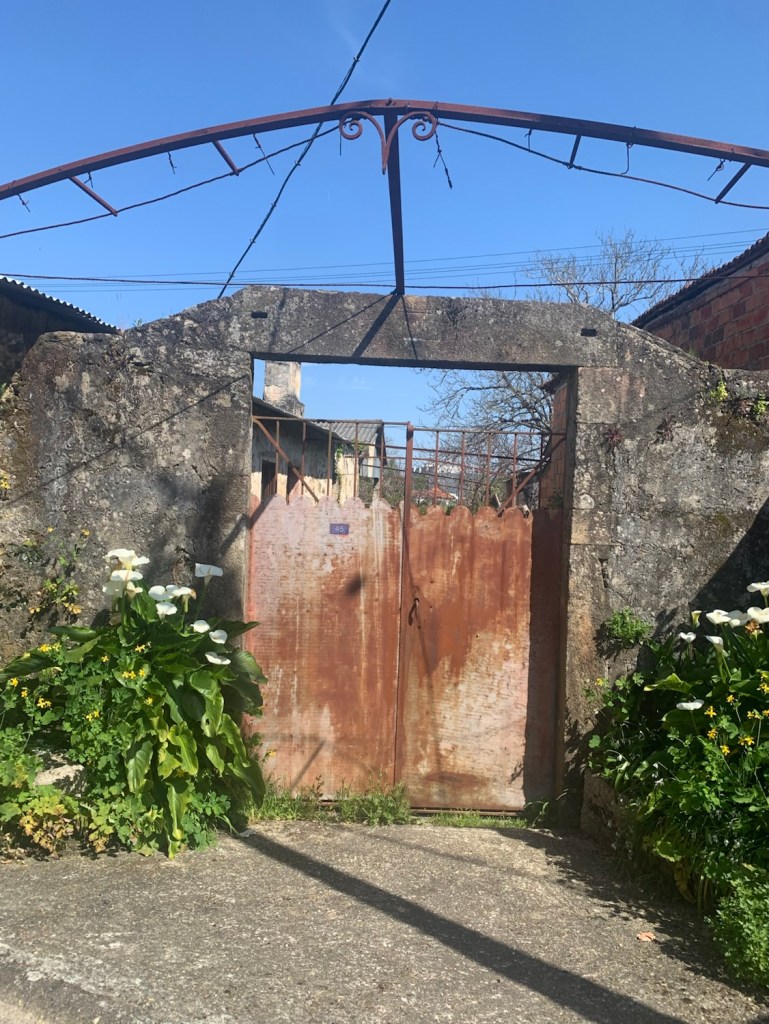
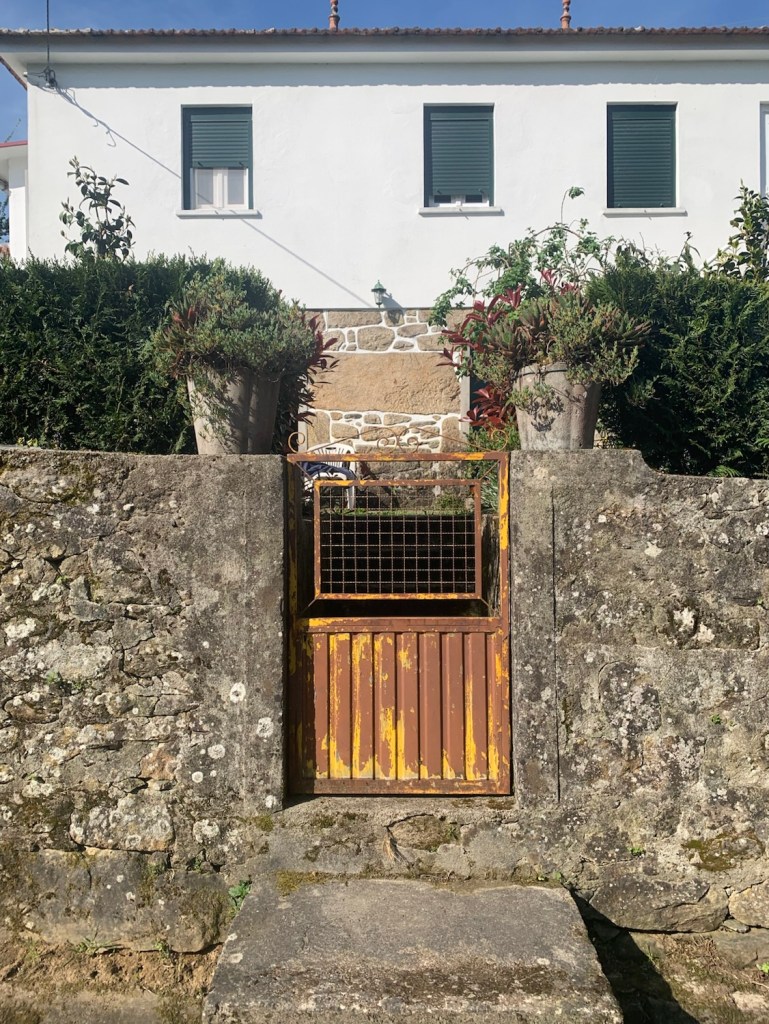
Gates have caught my eye. Most rural homes are surrounded by a fence or wall, usually too high to see over, and often an elaborate gate.
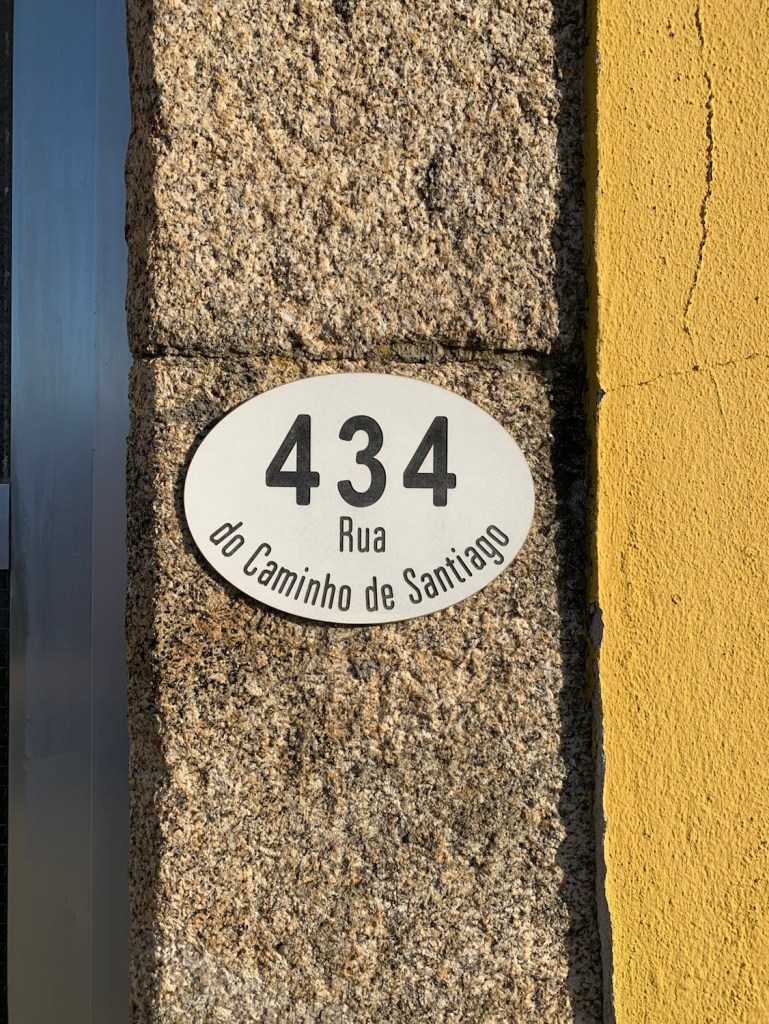
Here’s a few examples, mostly taken along the Rua do Caminho de Santiago in Ponte de Lima while walking the Camino.
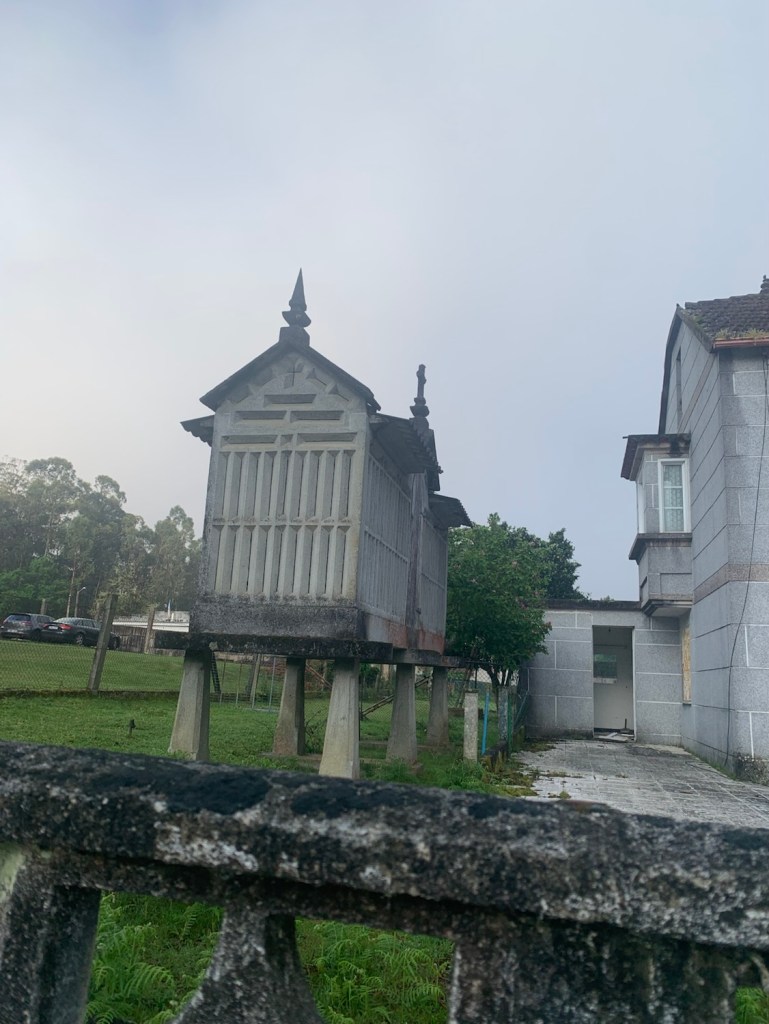
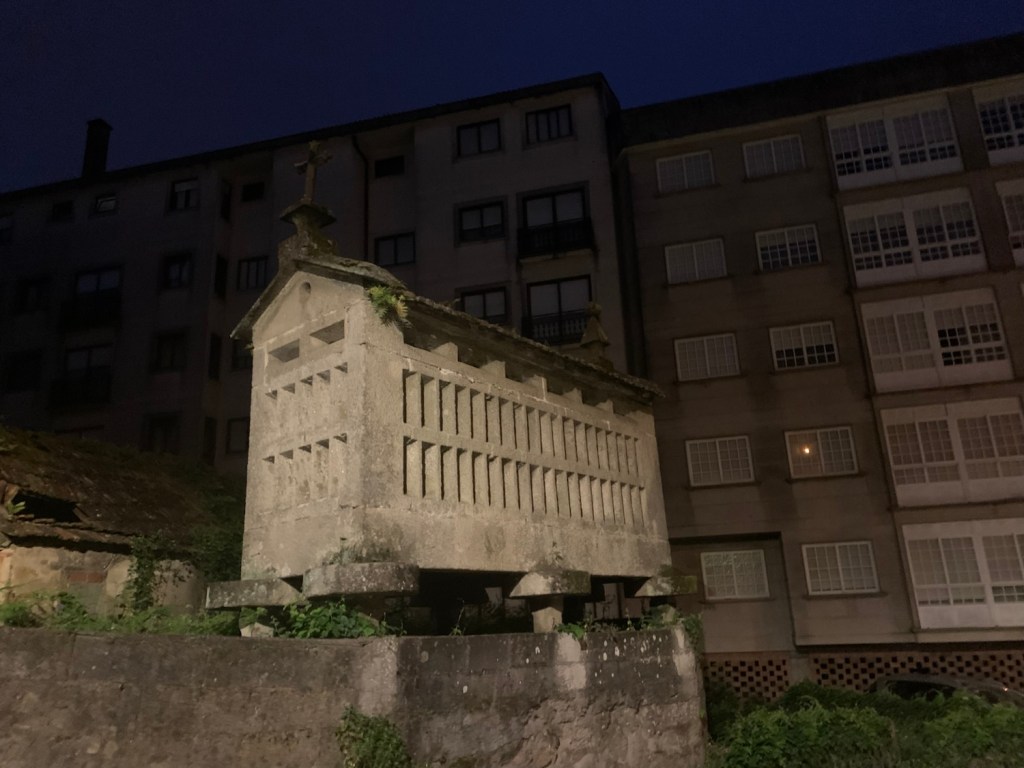
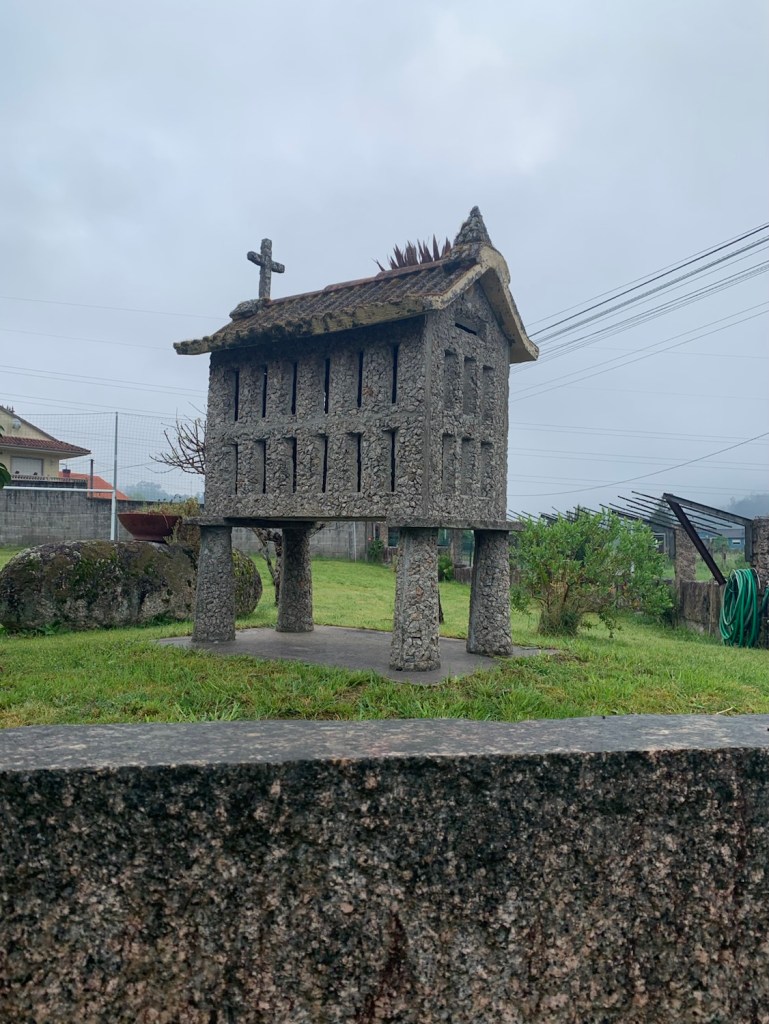
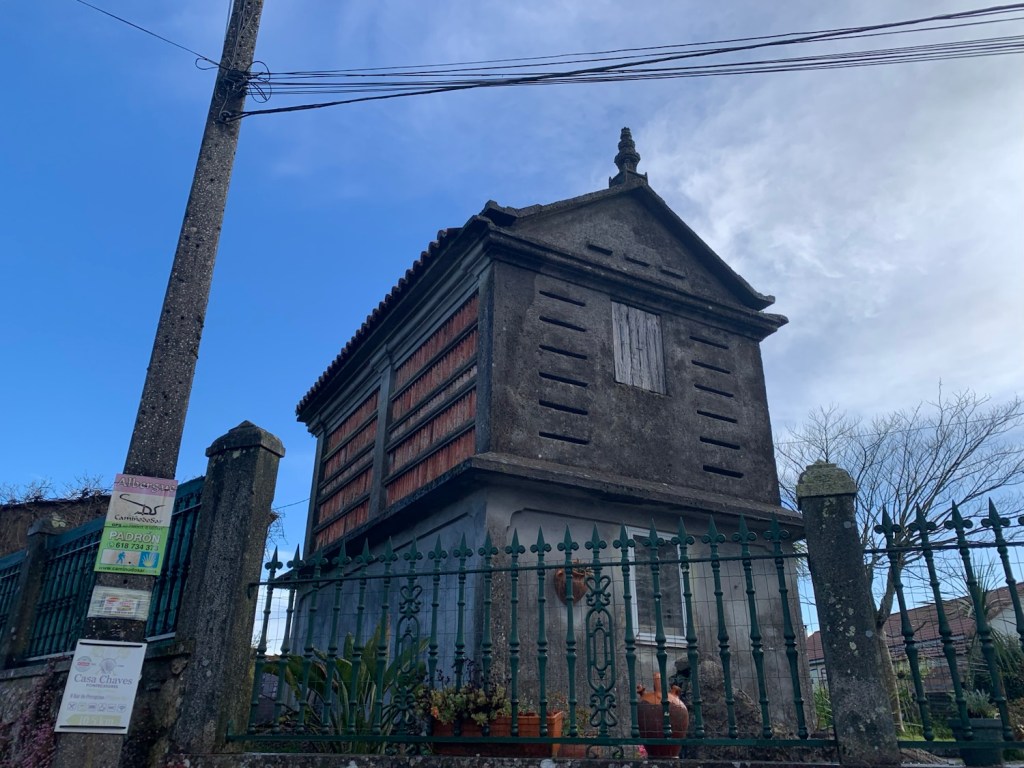
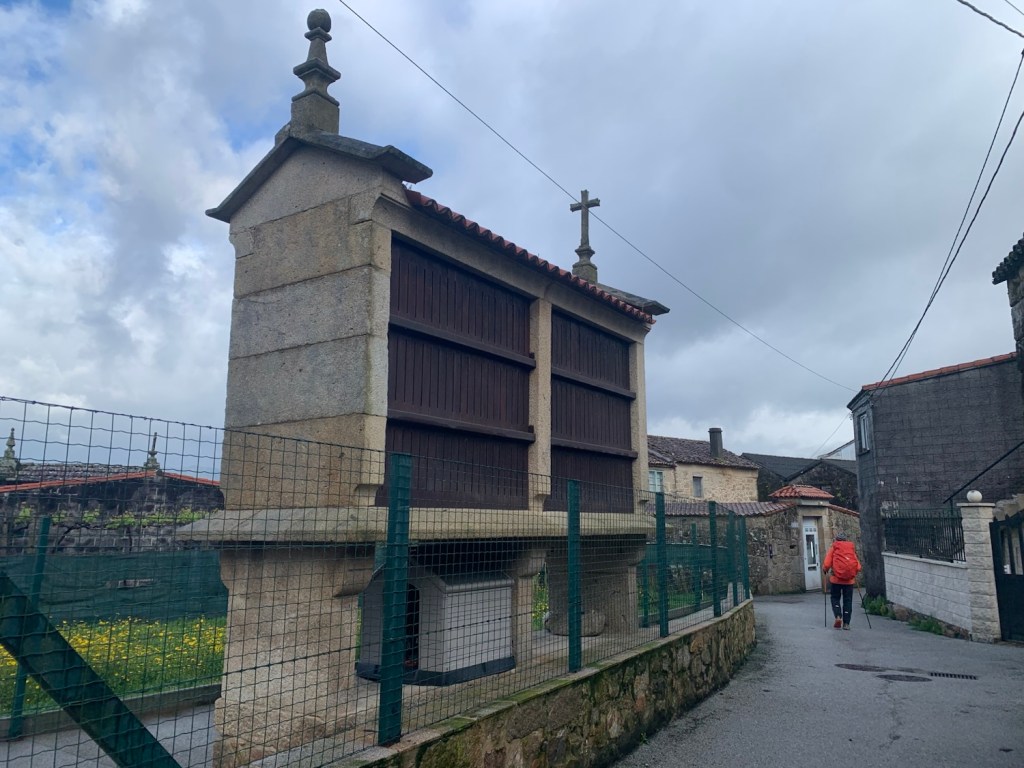
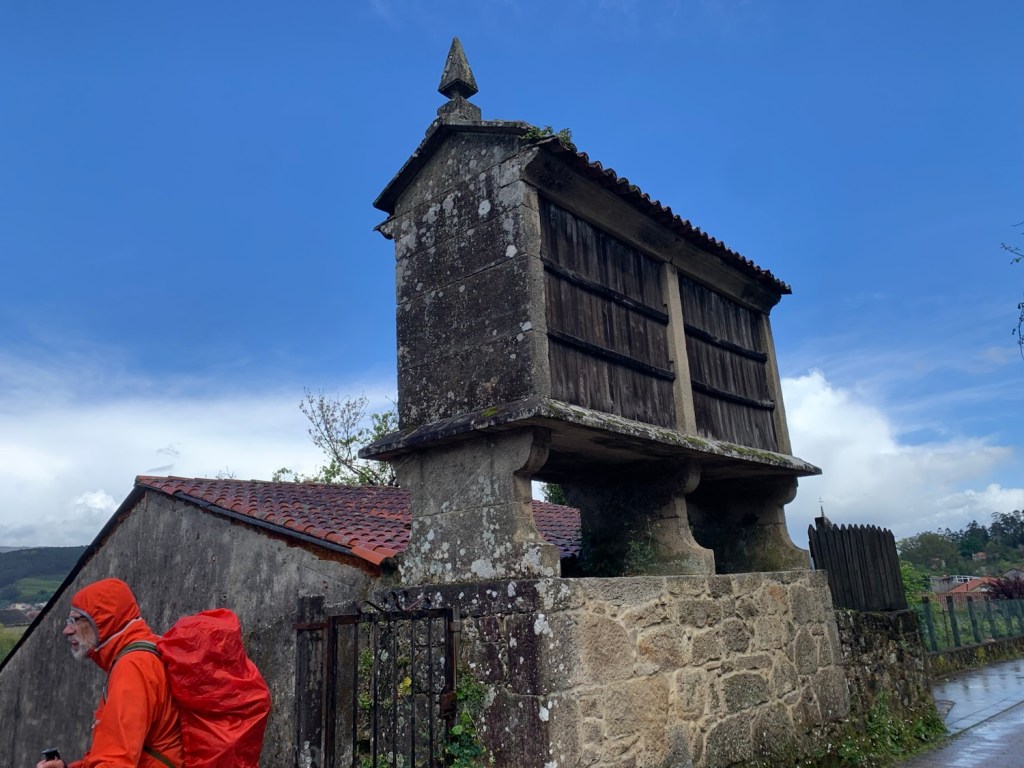
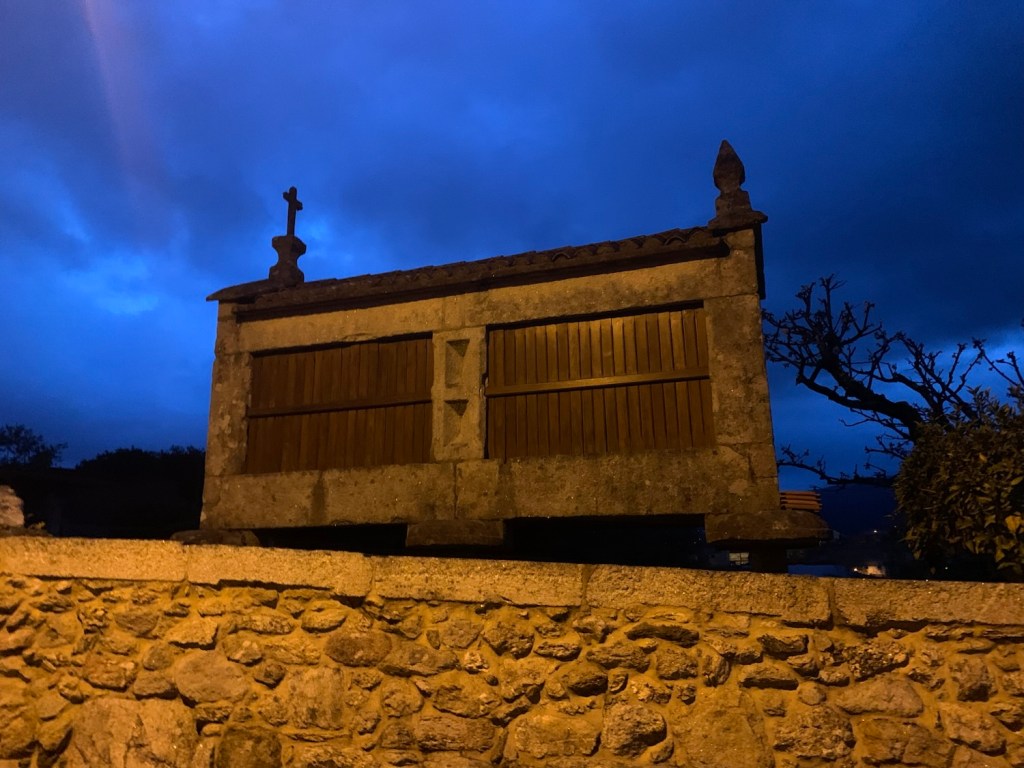
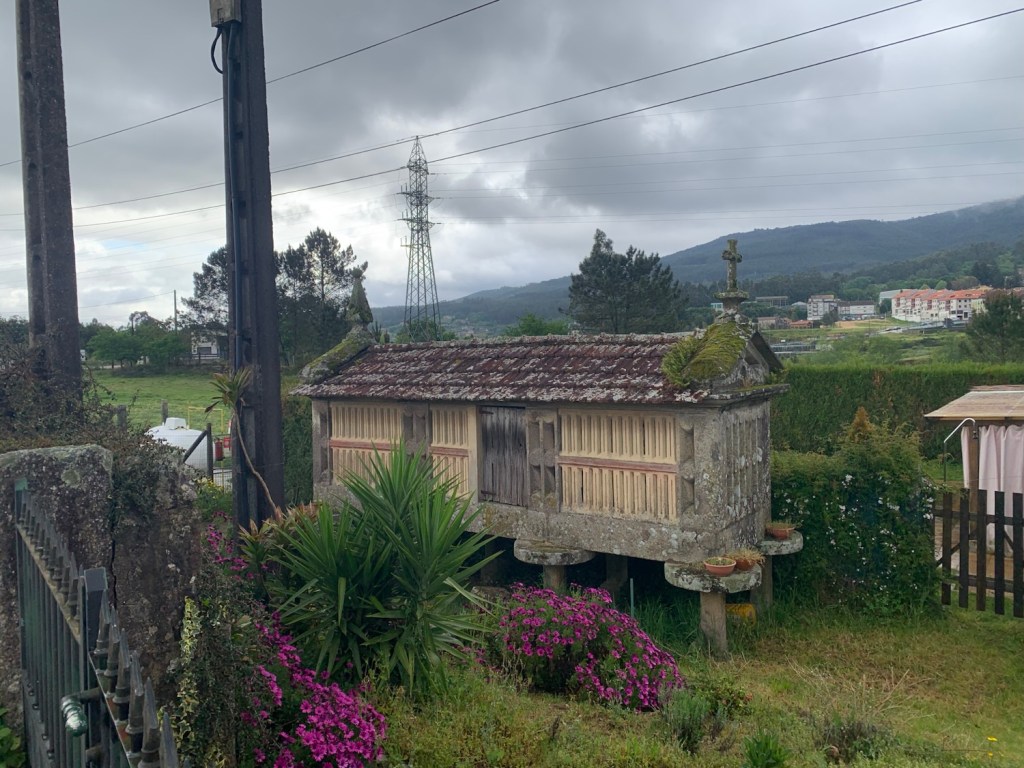
And I also found the Raised Granaries / L’Hórreo, another rural icon, fascinating.
Dating back to the 16th century, typically their construction is wooden, chestnut or oak, (although most of my pictures are stone granaries), supported by four pillars made in stone or wood with a stone stair.
Built to keep the grain dry and away from animals during the whole year.
Some are very old while others are quite recent, indicating they are still used today.
A small selection that of what we saw:
I have also been fascinated by rubbish bins, but I’ll leave that for another post!
 JG on balance
I love your blog- you describe the ‘being there’ so well.
Porto looked delightful and must have been a welcome break from walking and walking and more walking. With the packs and sticks gone, another chapter is starting.
James also gets fascinated by architectural elements- we have numerous photos of doors from around the world.
LikeLiked by 1 person