
The bus trip was easy as. Taking the chance to reduce any travel sickness, I happily snoozed my way through a good portion of the journey.
It was the day the massive country wide power cut hit Portugal and Spain and I pretty much missed it.
Greg being more plugged-in than me, mentioned the outage and lack of lights at the toilet stop but I still didn’t put two and two together.
On arriving in Benavente, the area around the bus stop looked very quiet, even a bit spookily dead. But still no recognition. No power, no shops, doh!
The faint 3G internet signal available as we left the Benavente bus station seemed odd – we’d been used to great coverage pretty much everywhere. Our hotel was only 1km from the bus stop but without the internet we had no way of finding it. Riding up the hill, we found better signal and our route was sorted.
It wasn’t really until we got to the hotel that I really started to get it and of course watching the news brought home the extent of the outage.
It seemed unbelievable that 2 entire countries and a portion of France could be without power.
Our intention was to ride out the next day but the Paradore hotel was so lovely and another night would give us the chance to explore Benavente, so we stayed on.

The Benavente tourism office provided our first cycling maps which were to inspire our route from here. We seemed to be heading into the plains of Spain, with flat riding ahead, just what the doctor ordered!


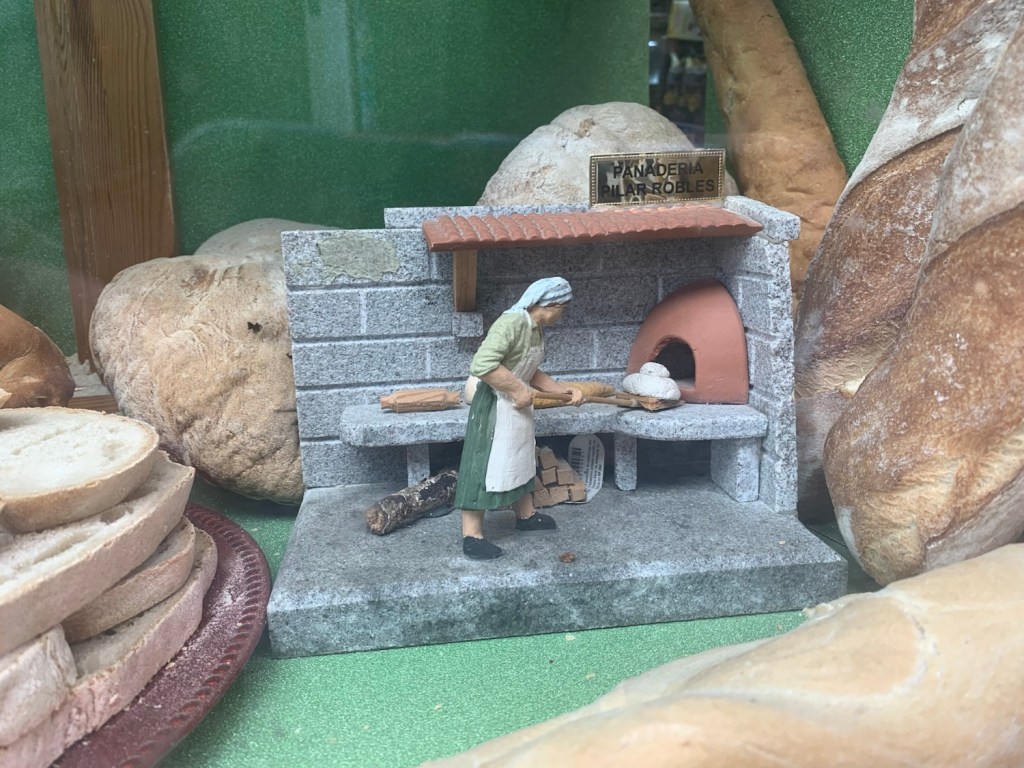
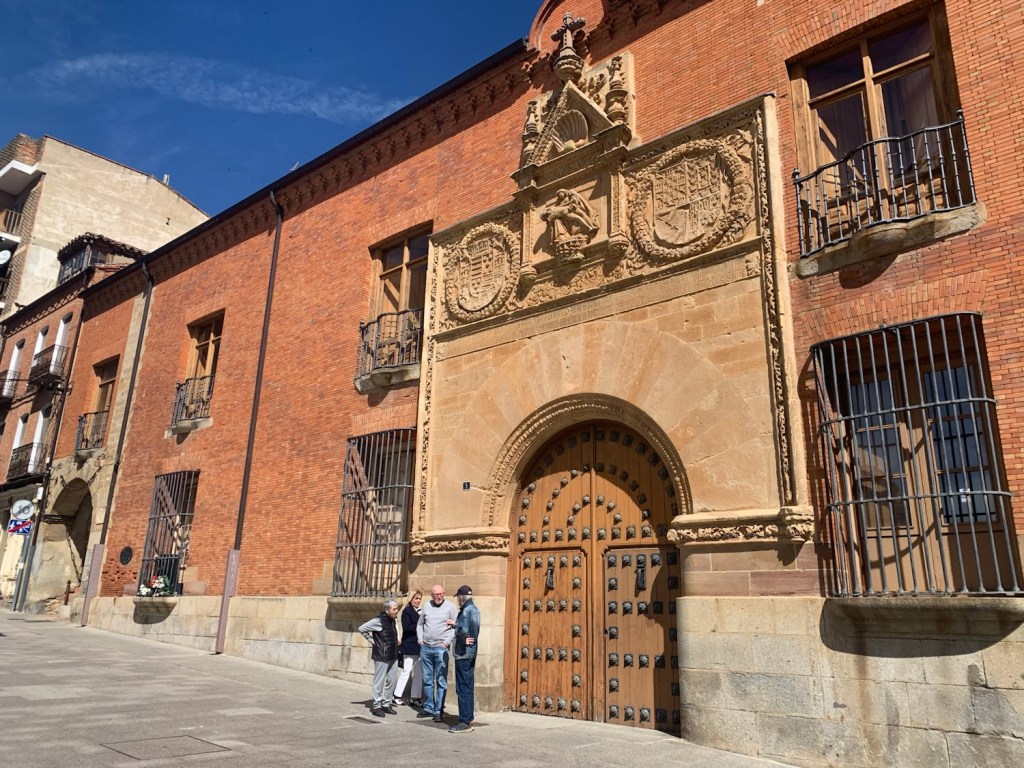
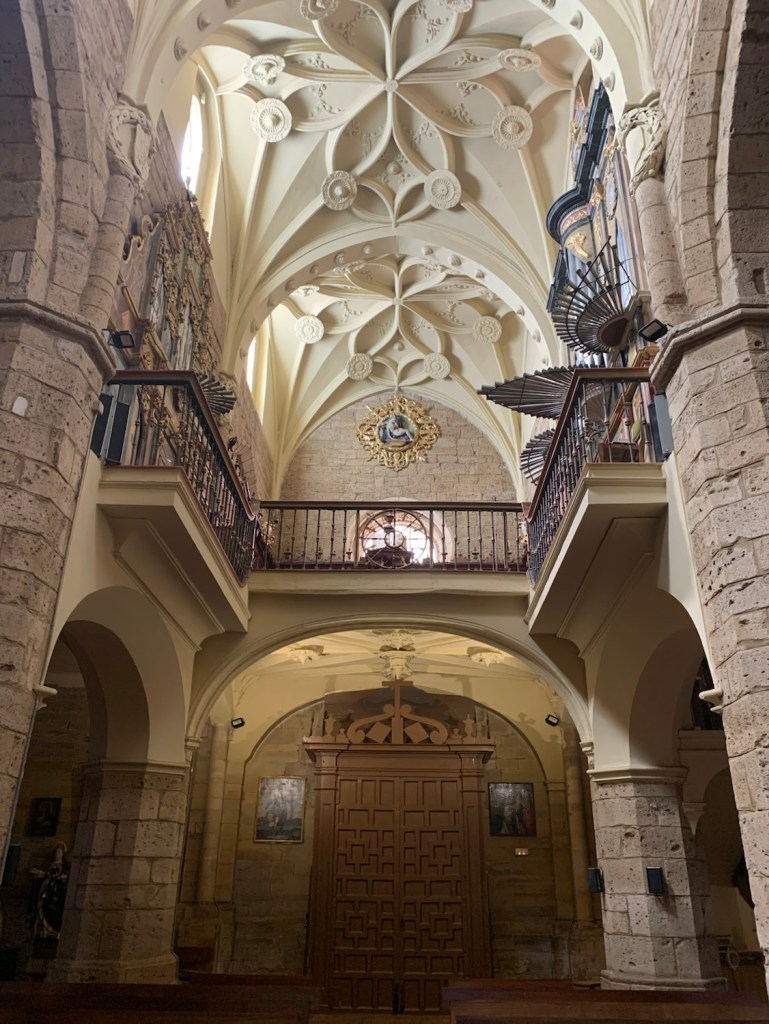
Benavente was a surprise. It seemed lifeless and run-down on the outskirts but its buildings brought its history to life. We enjoyed our day wandering around.
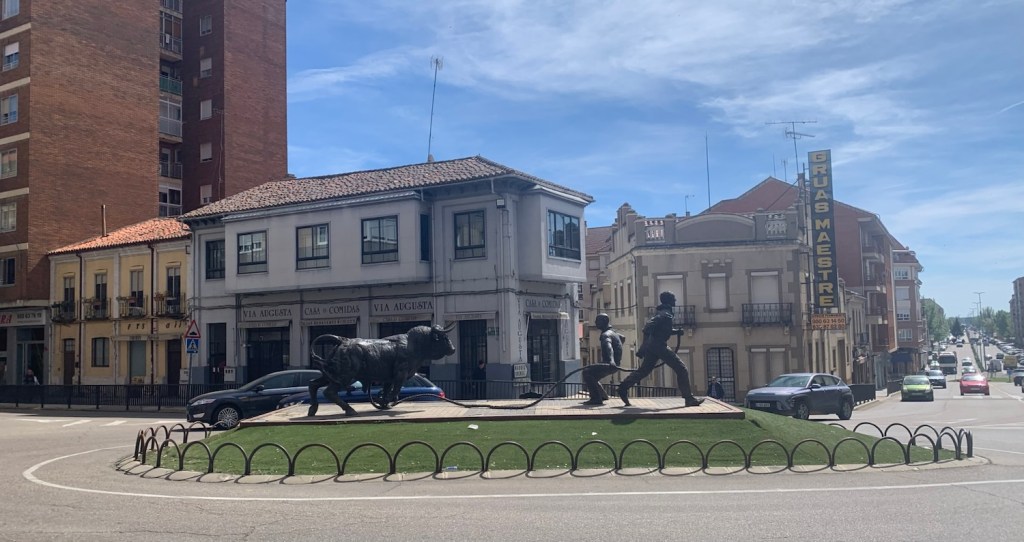
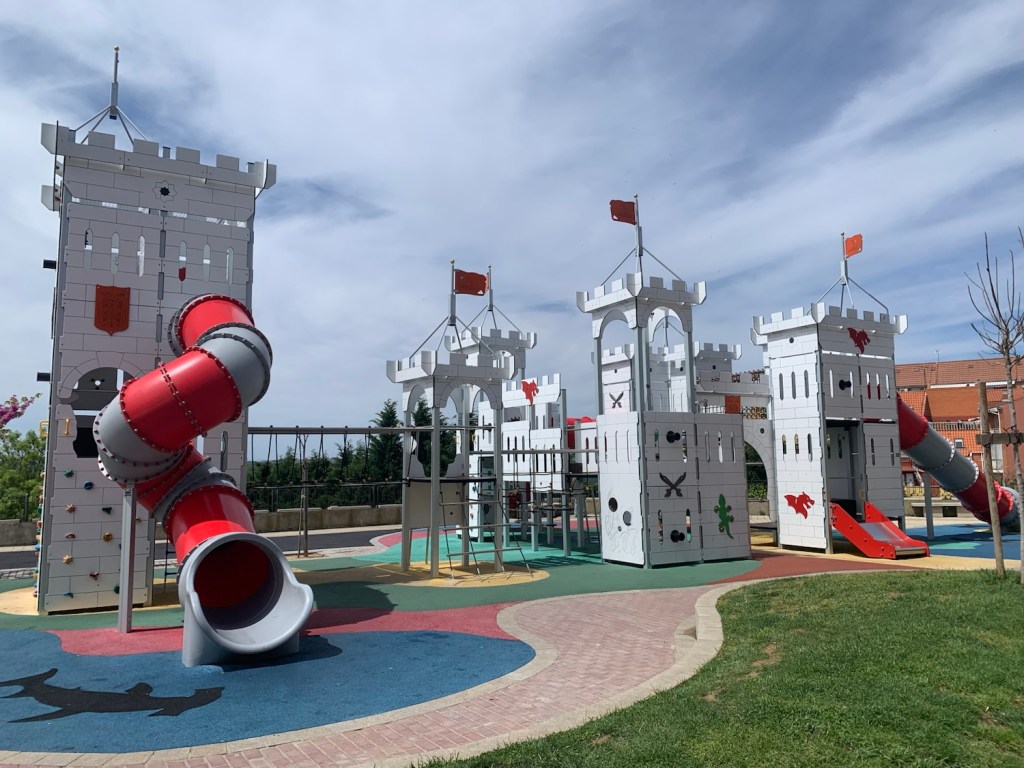

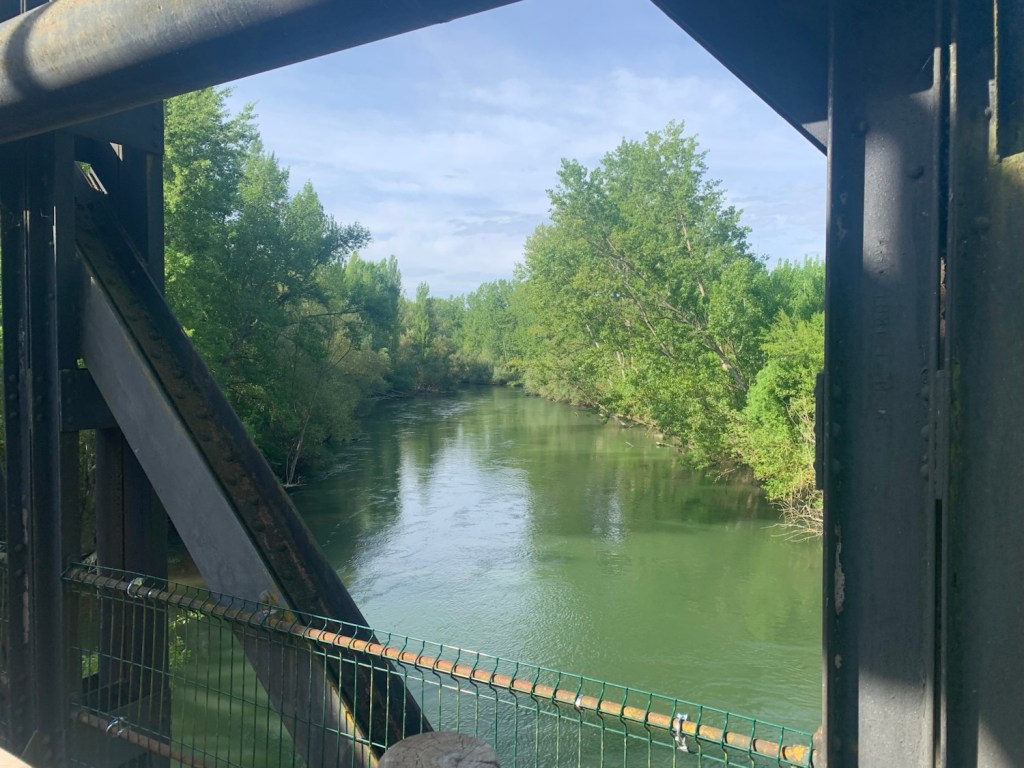
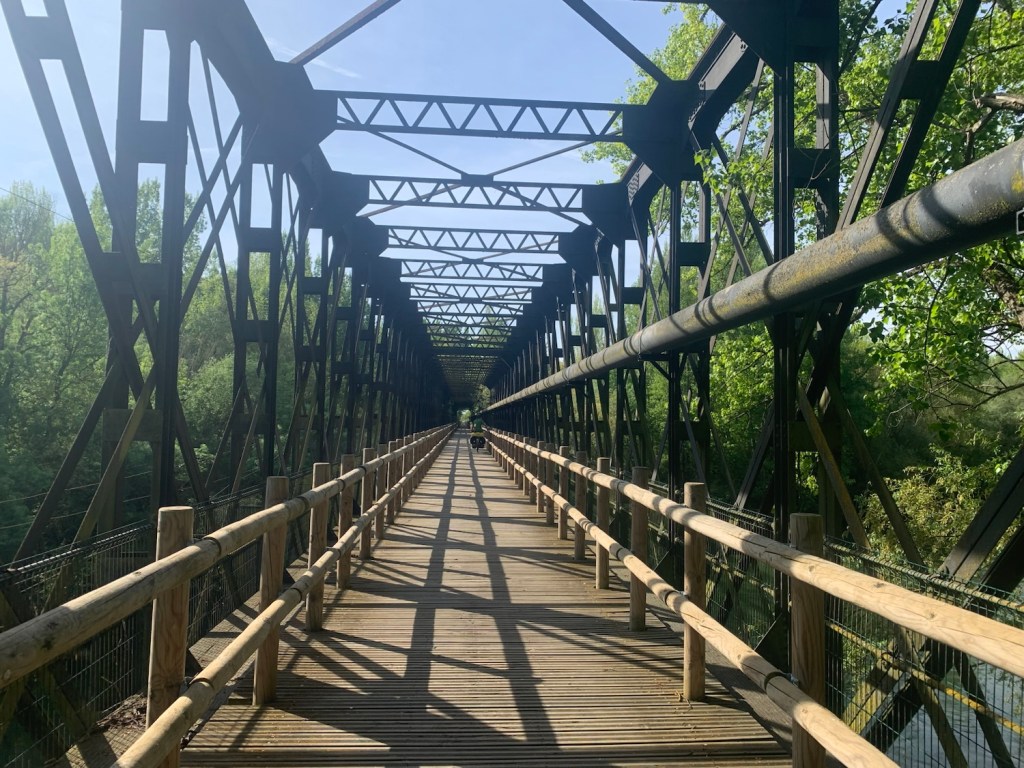
We left heading to Granja de Moreruela on a cycle trail, an old railway line.

Too soon the cycleway ended and the route morphed into back country roads, with varying degrees of unpaved surfaces and potholes.

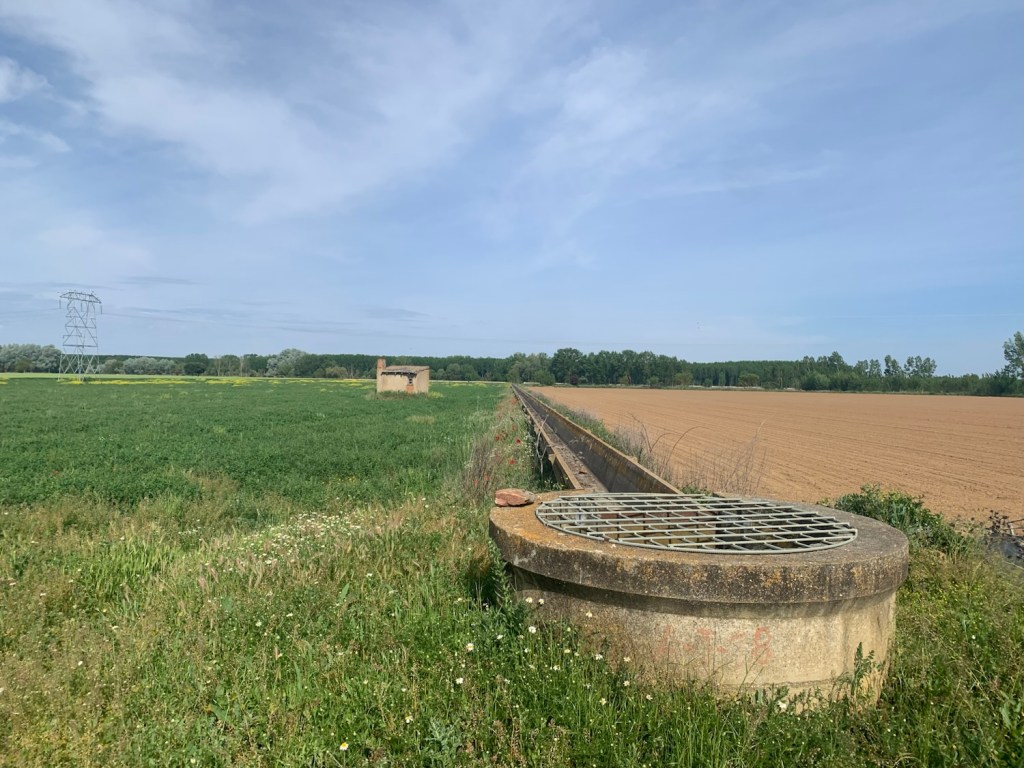

Greg wanted to ride the paved roads. They weren’t busy, they were sealed and generally flatter than the rural roads but I lost the plot.
Although his logic was sound I didn’t want to accept it. Somehow I was fearful of the roads and the quieter rural roads, however painful to ride, were a better choice to me. Totally not logical.
Very grudgingly and unskilfully, I agreed to ride the roads and we set off again.
What was going on with me, I couldn’t place it. Head down and ride on was all I could manage.
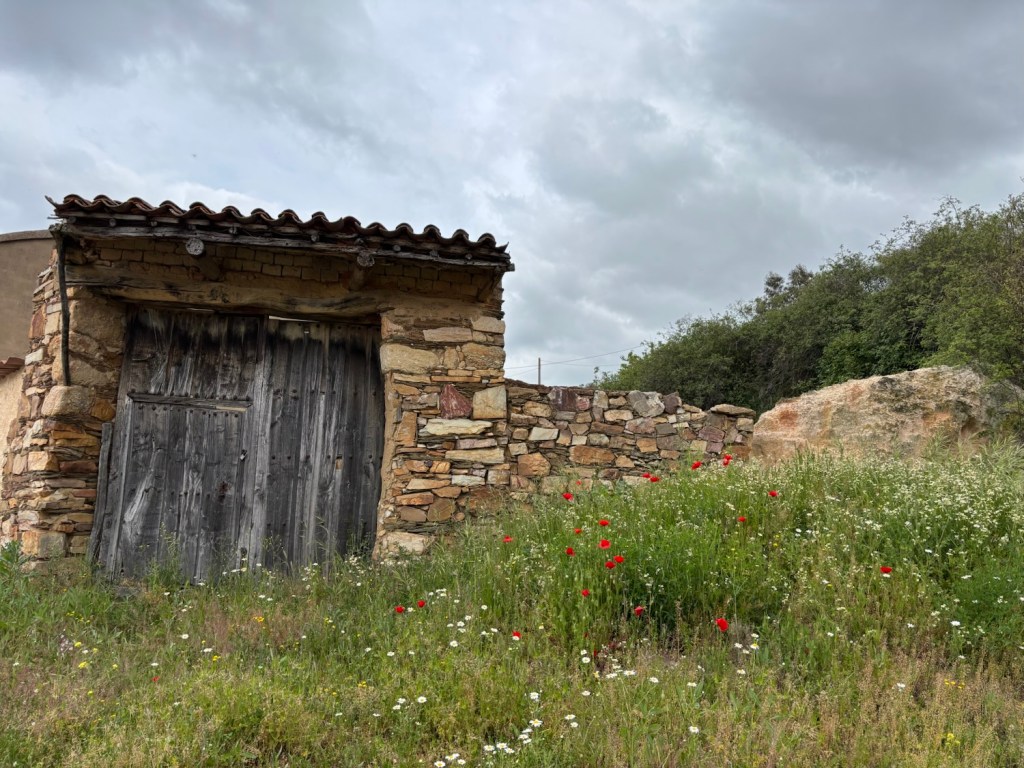
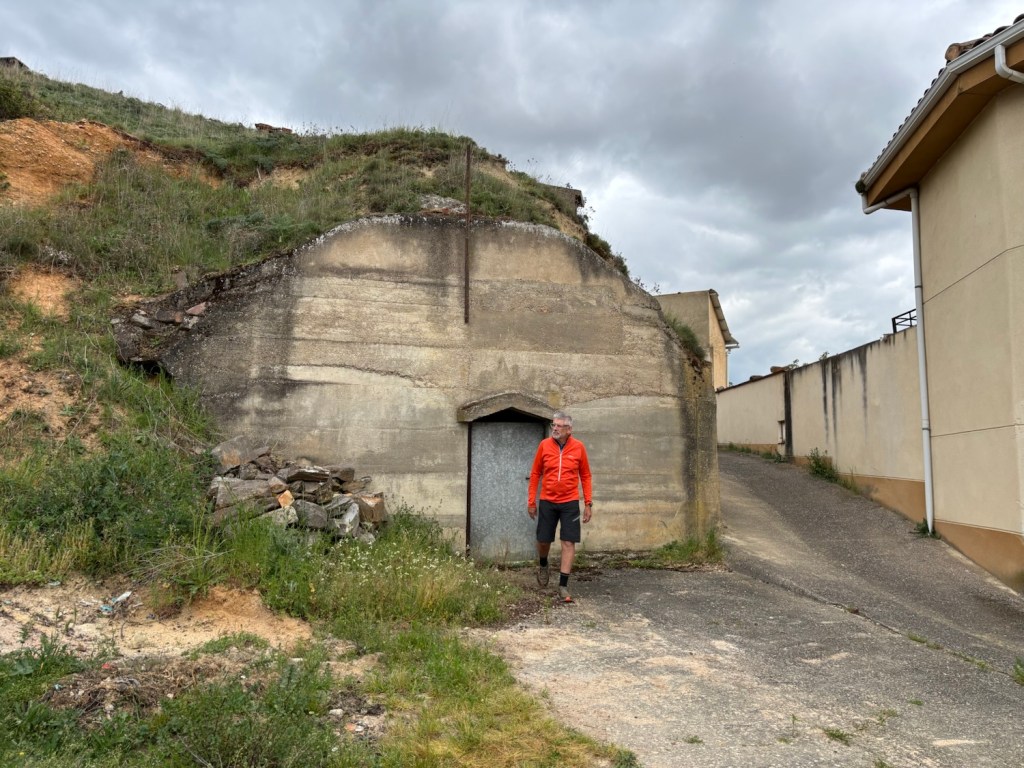
Granja de Moreruela was a welcomed stop. A very small village with an amazing private albergue for accommodation which we shared with only one other guest.
There are so many Camino routes to Santiago de Compostela, one of which went through this little village, hence the albergue.
Arriving earlier enough to get washing done, clean the bikes and have a walk around.


And me, I continued to be out of sorts with myself.
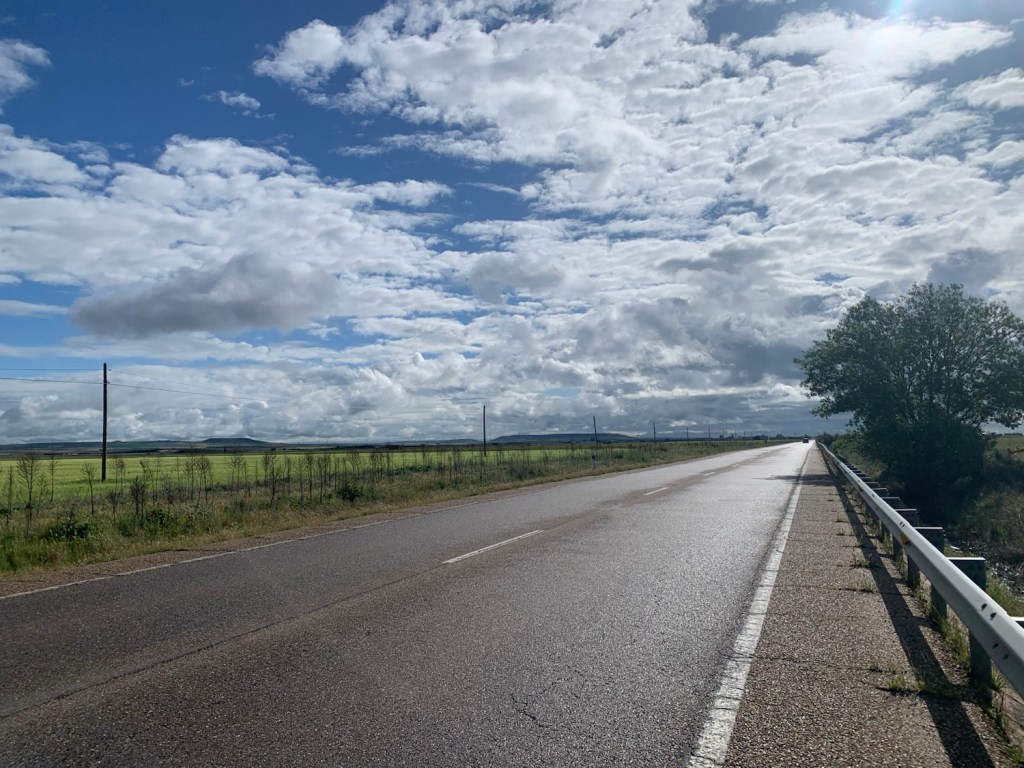
It was misty as we headed off on the short ride to Zamora the next day.

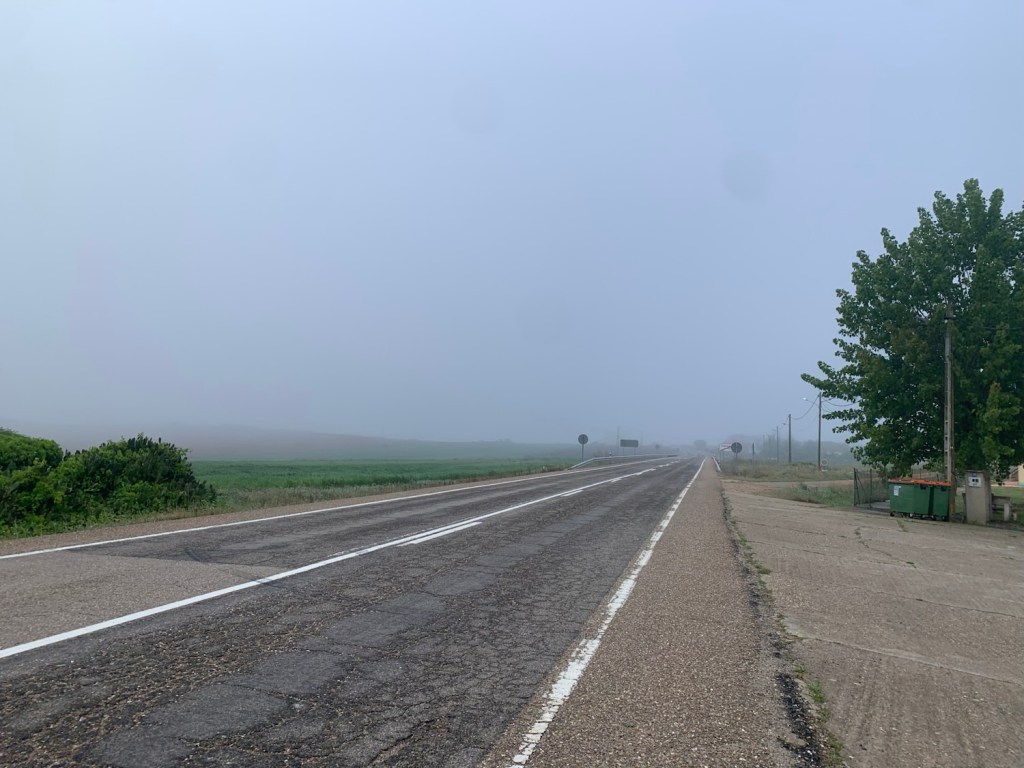
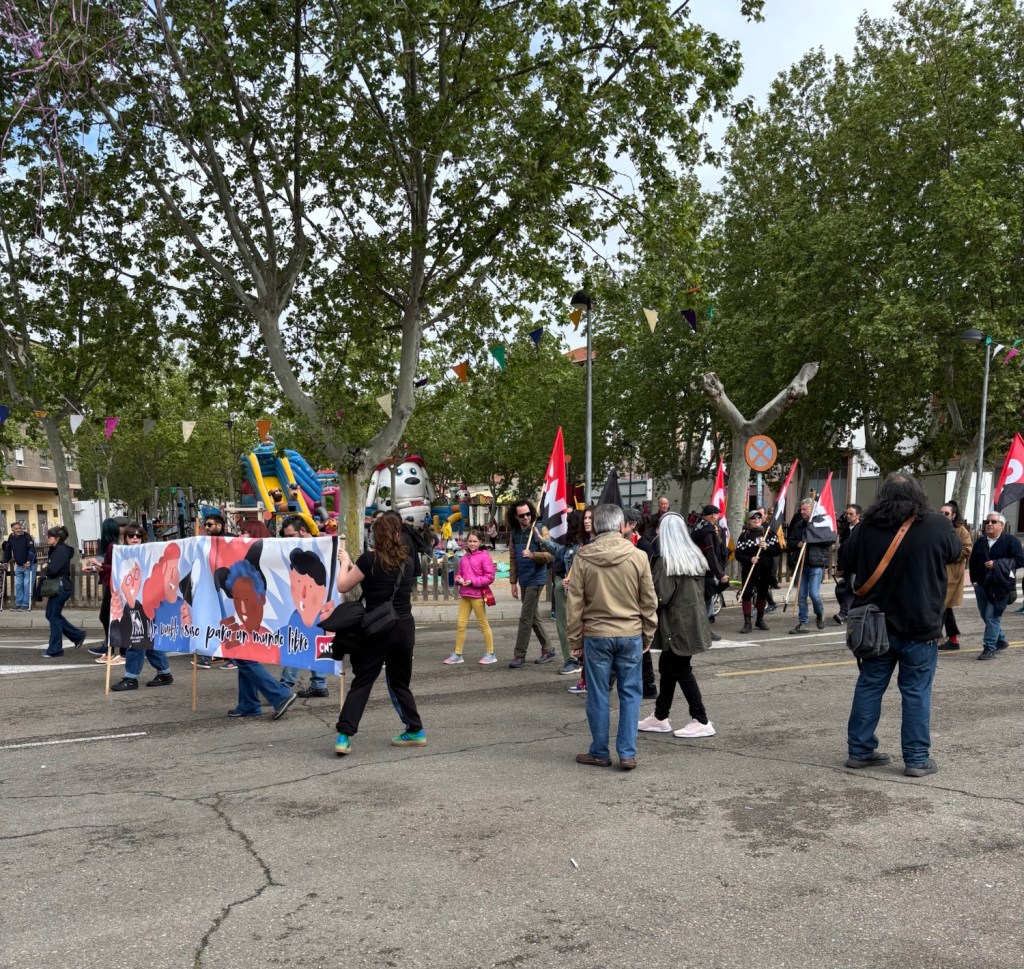
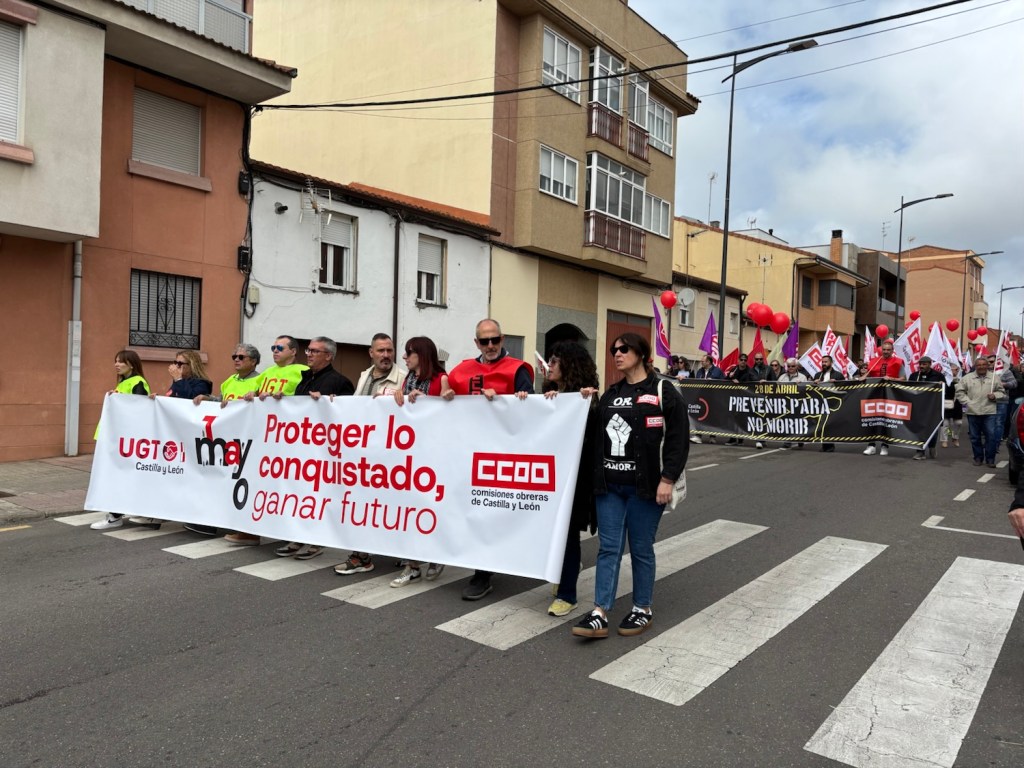
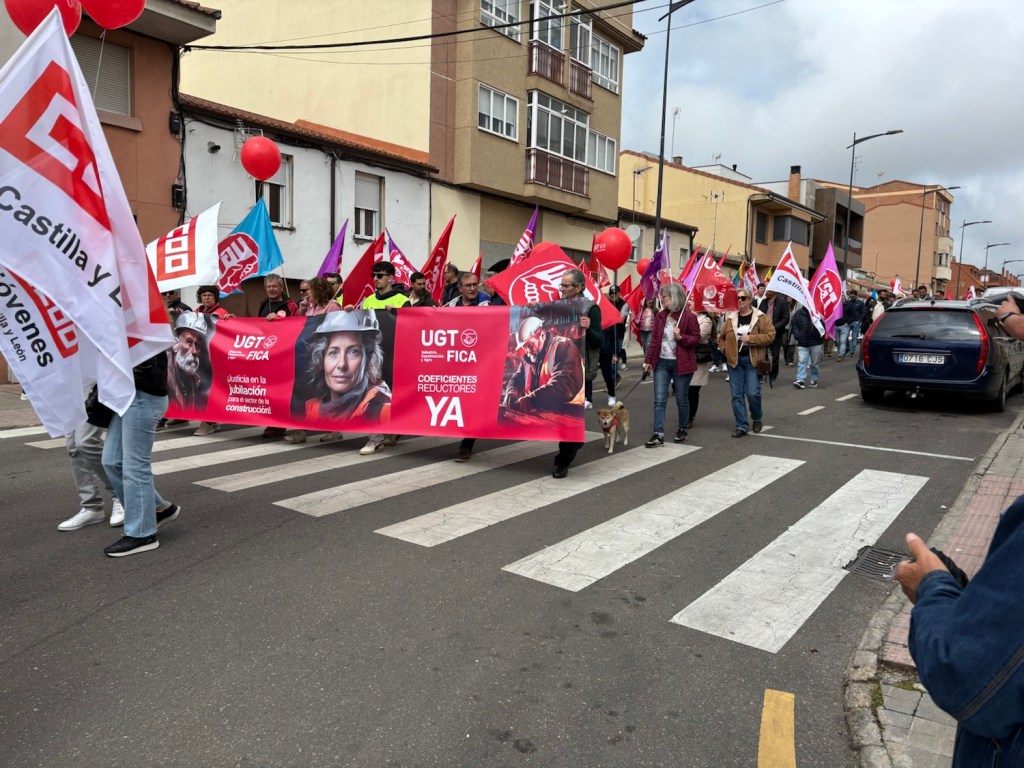
The road was very quiet as it was a holiday – 1st May, Spain’s Día do Trabalhador (Labour Day).

As we arrived in Zamora we cycled into a Labour Day march.

Zamora is probably the most beautiful city we have seen.
Straddling the Rio Duero (the same Rio Douro as in Portugal but now in Spain) with the 13th century Puente de Piedra crossing it.
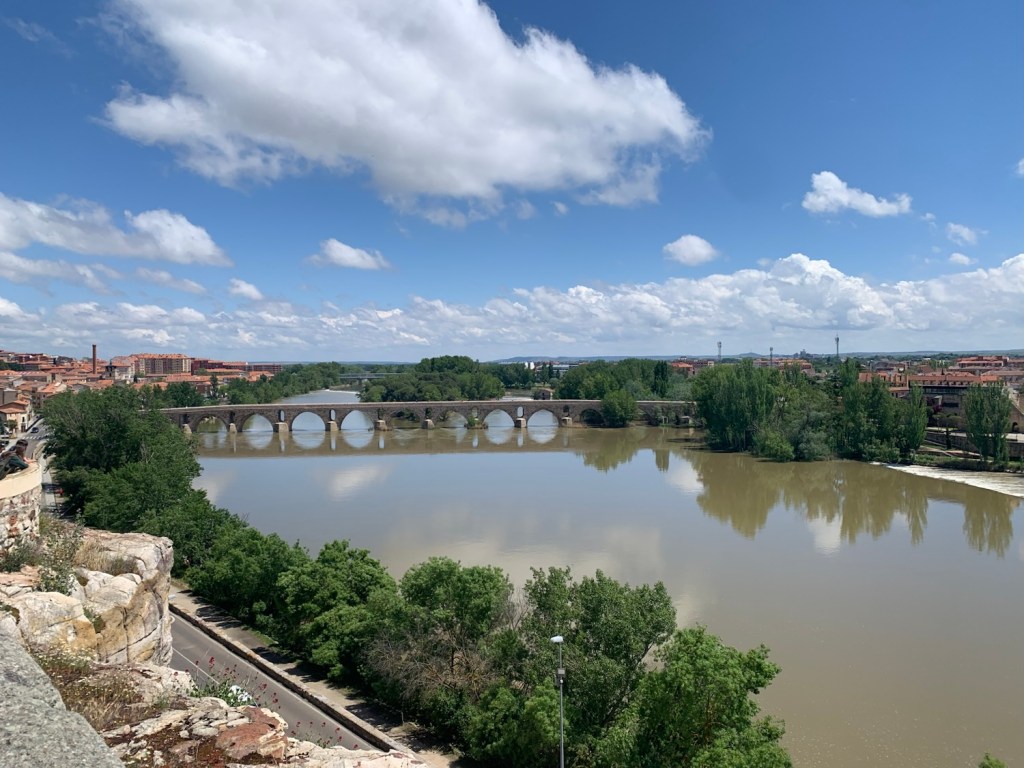
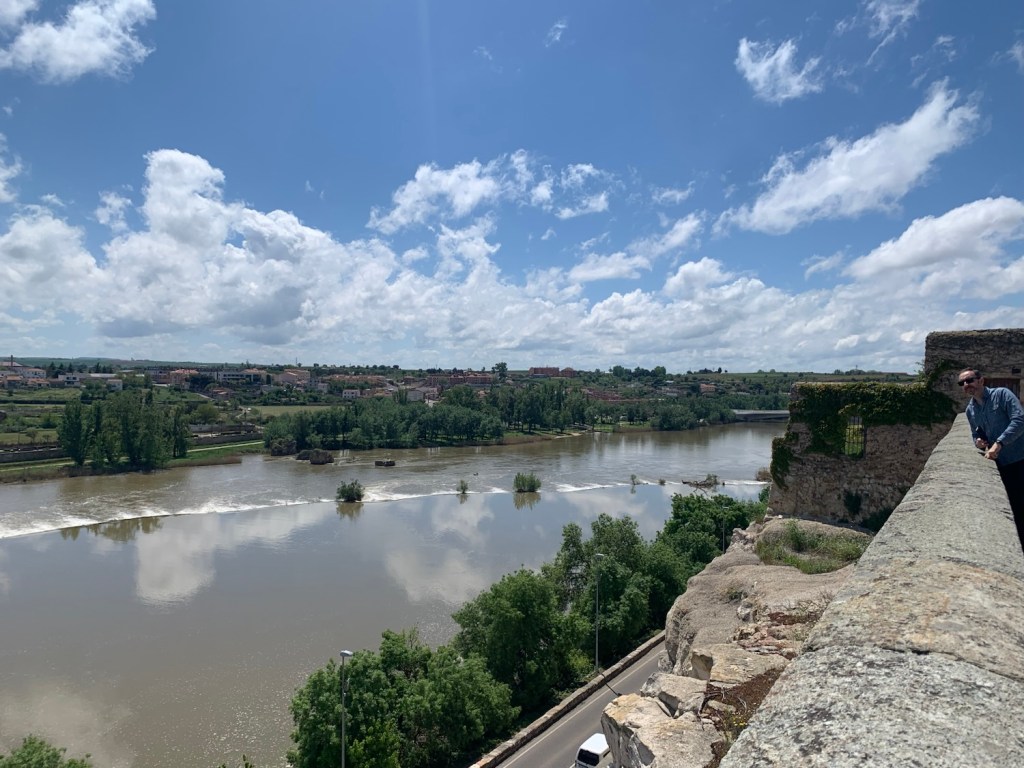

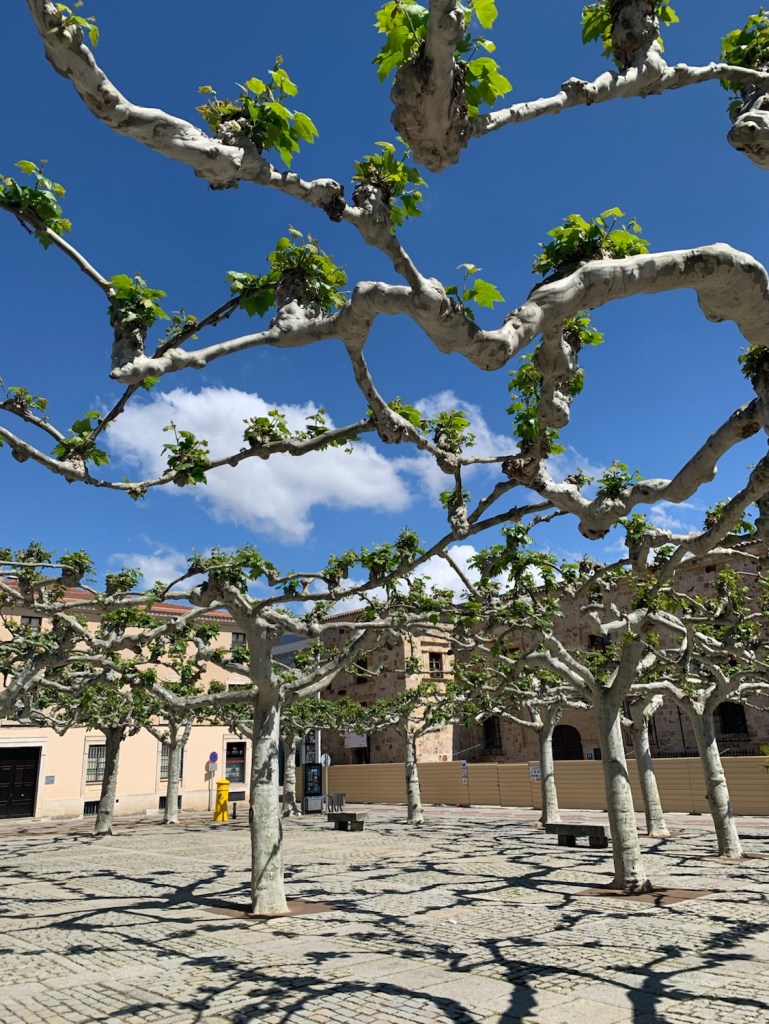
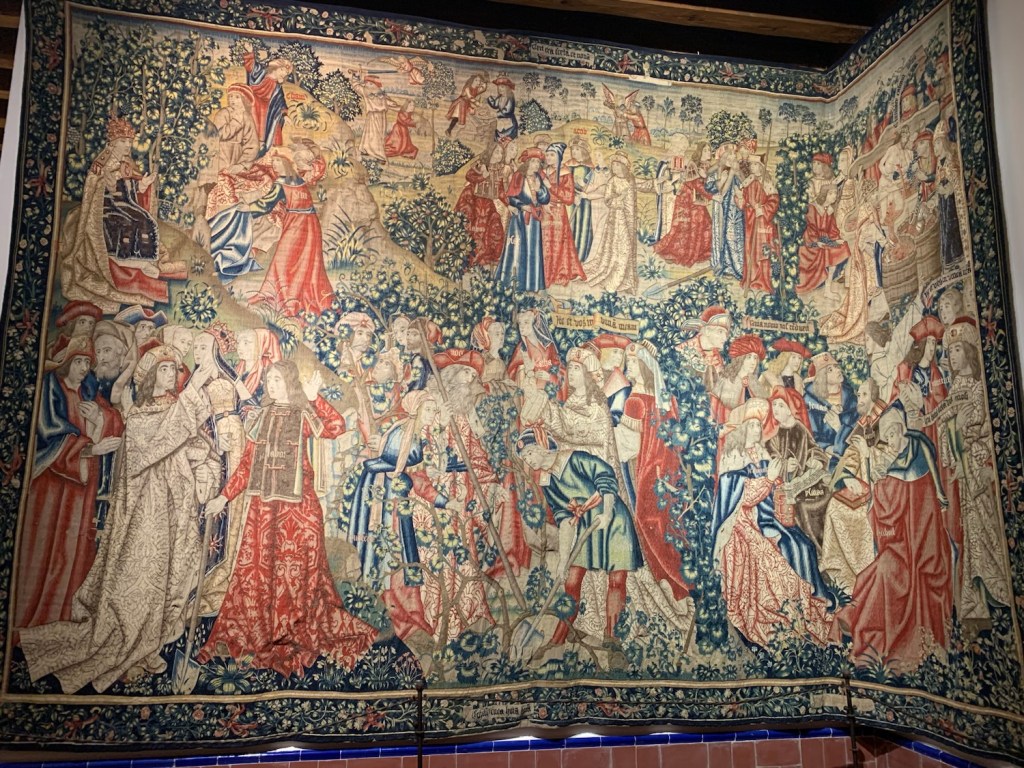
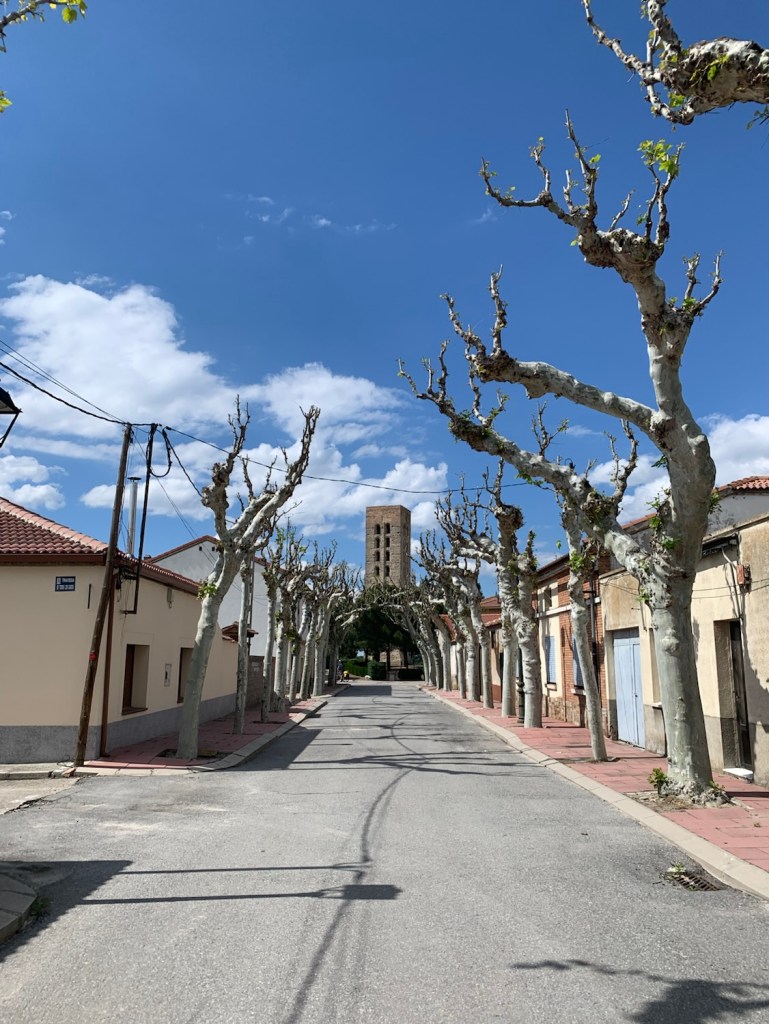
The city’s buildings are historic, its layout open, and the beautiful trees all contributed to its charm. The streets were so clean, which we learnt get swept every night, adding to its cared for look.
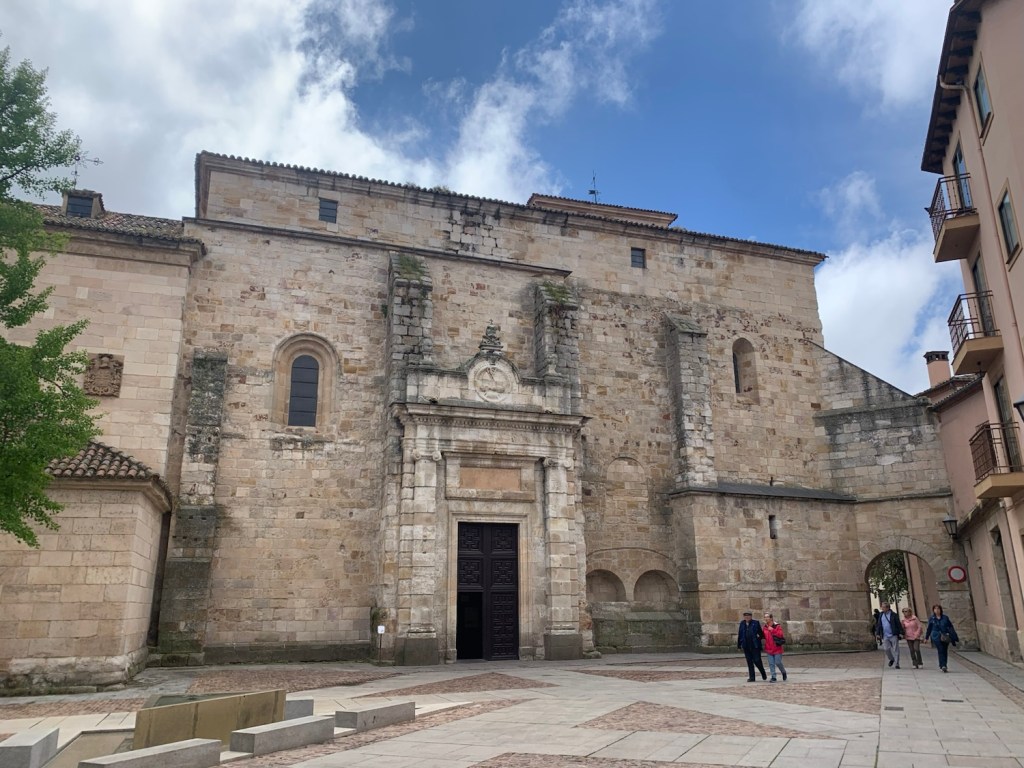

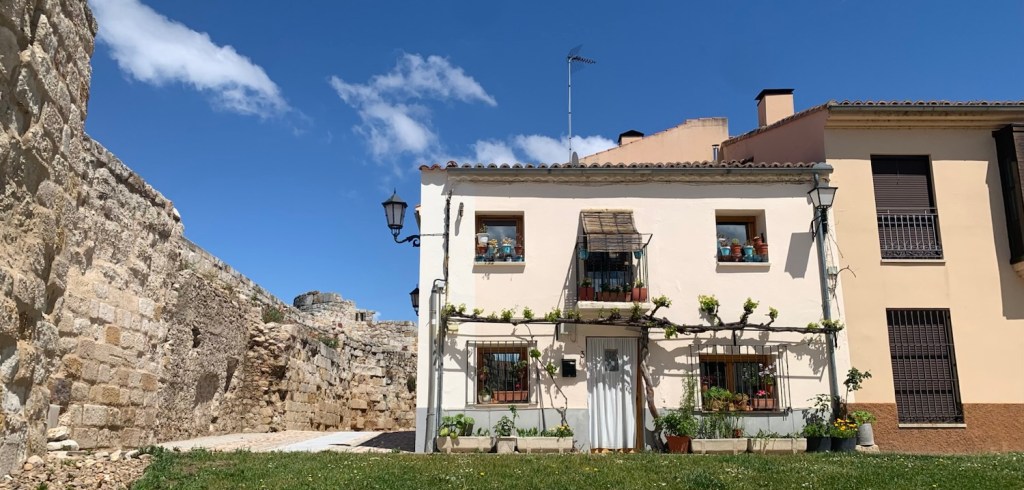
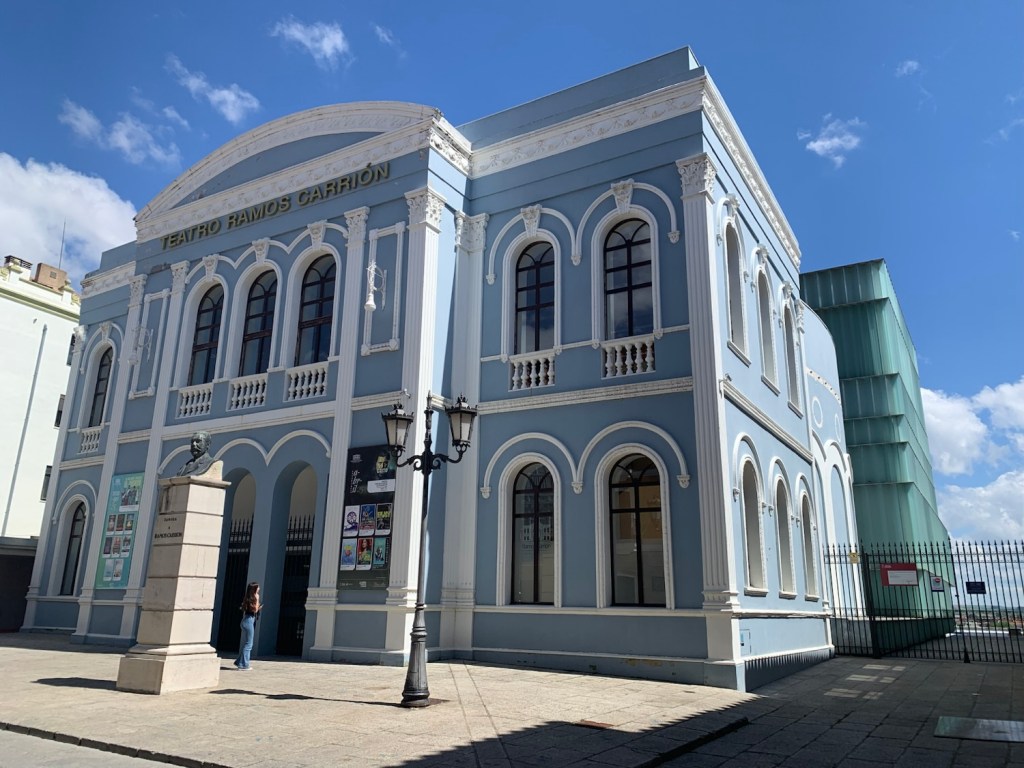
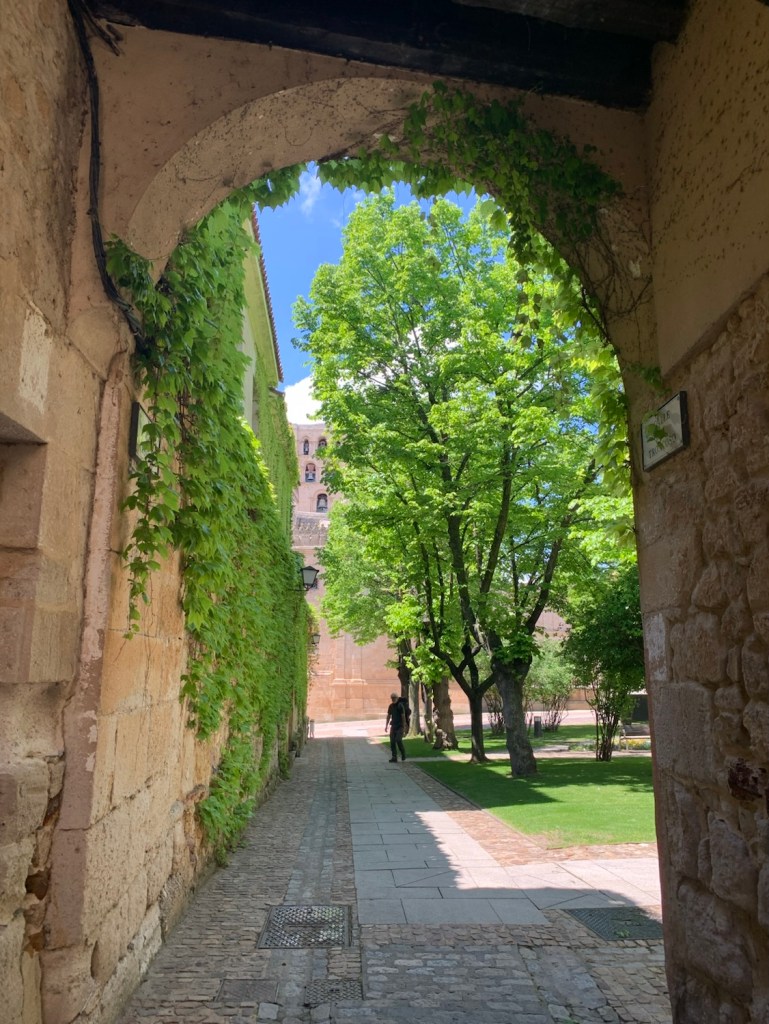
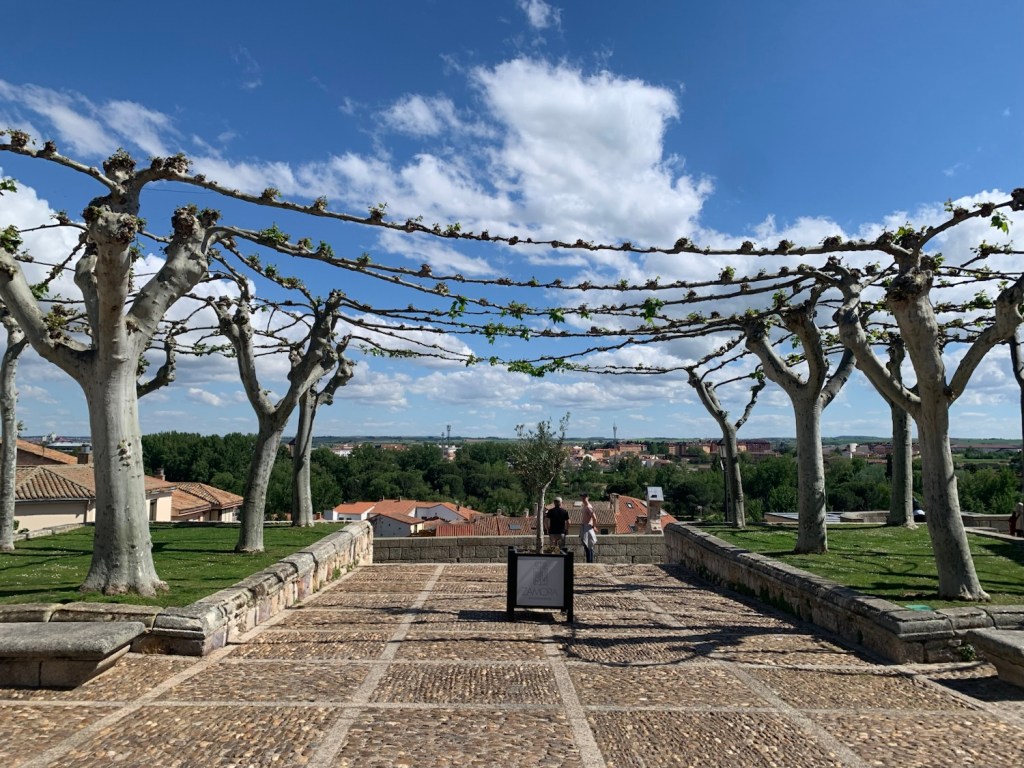
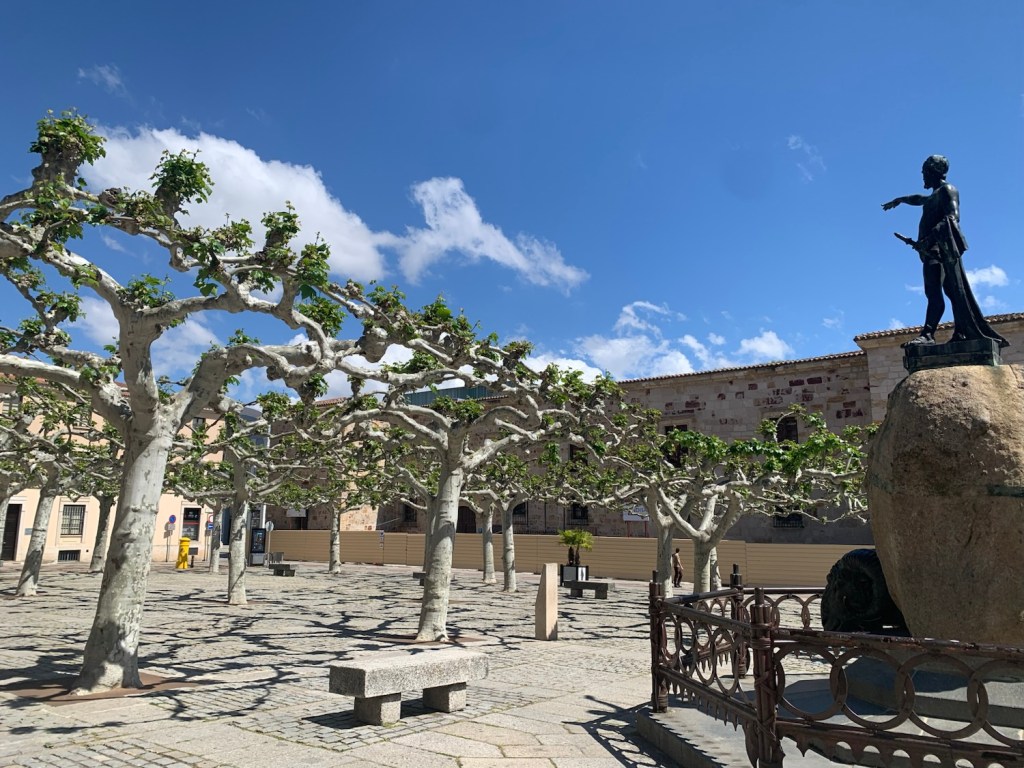
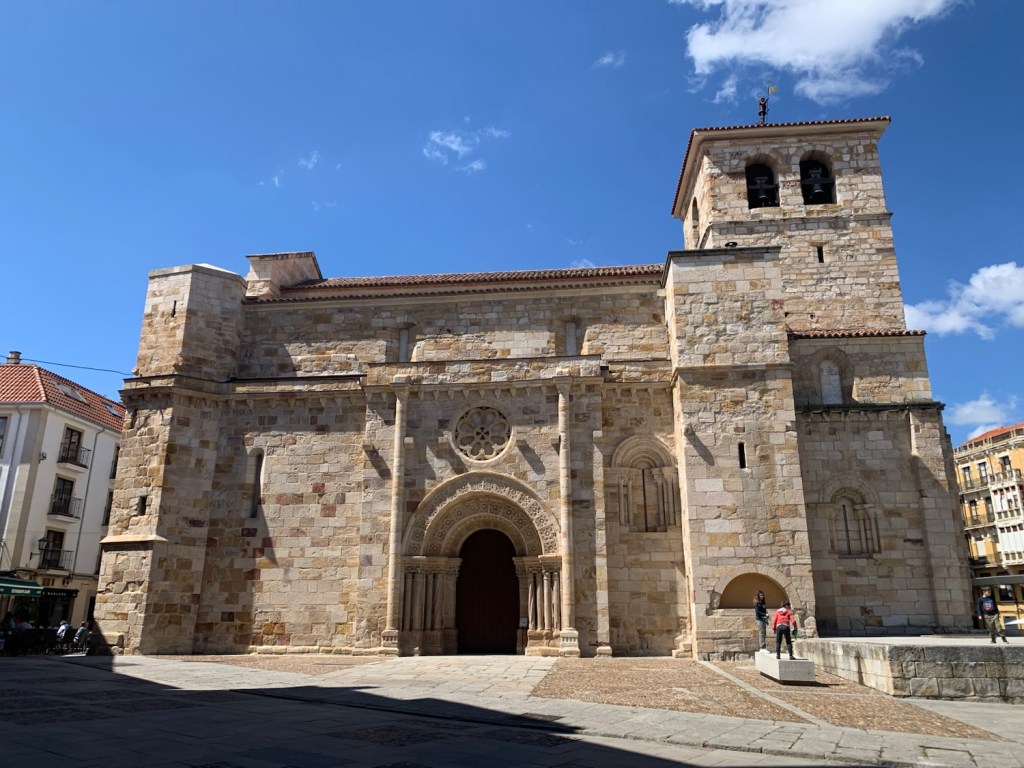
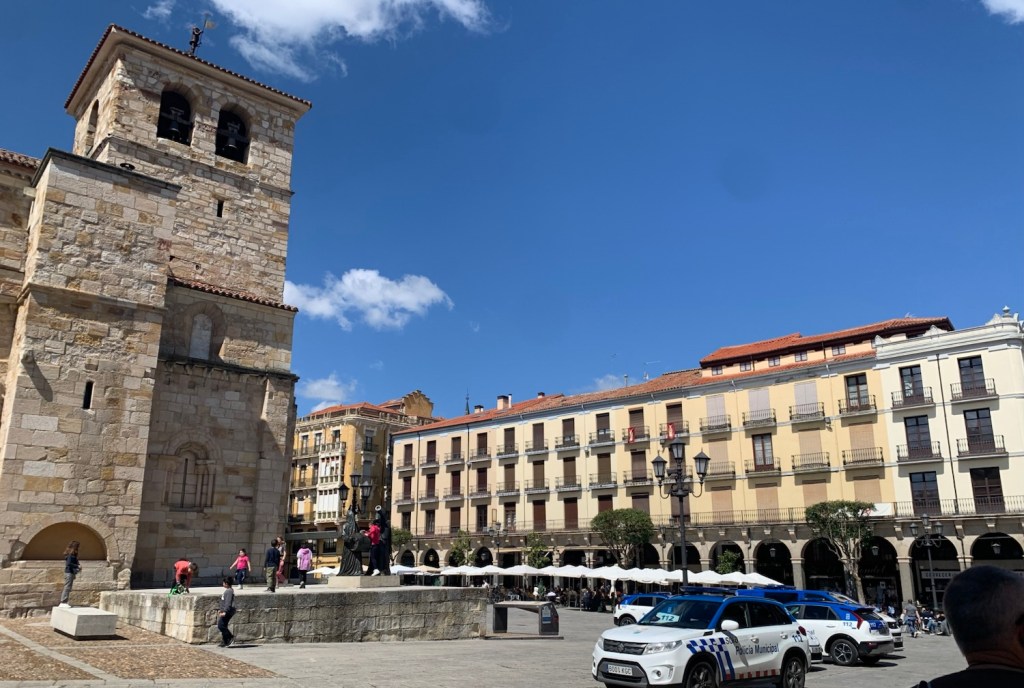
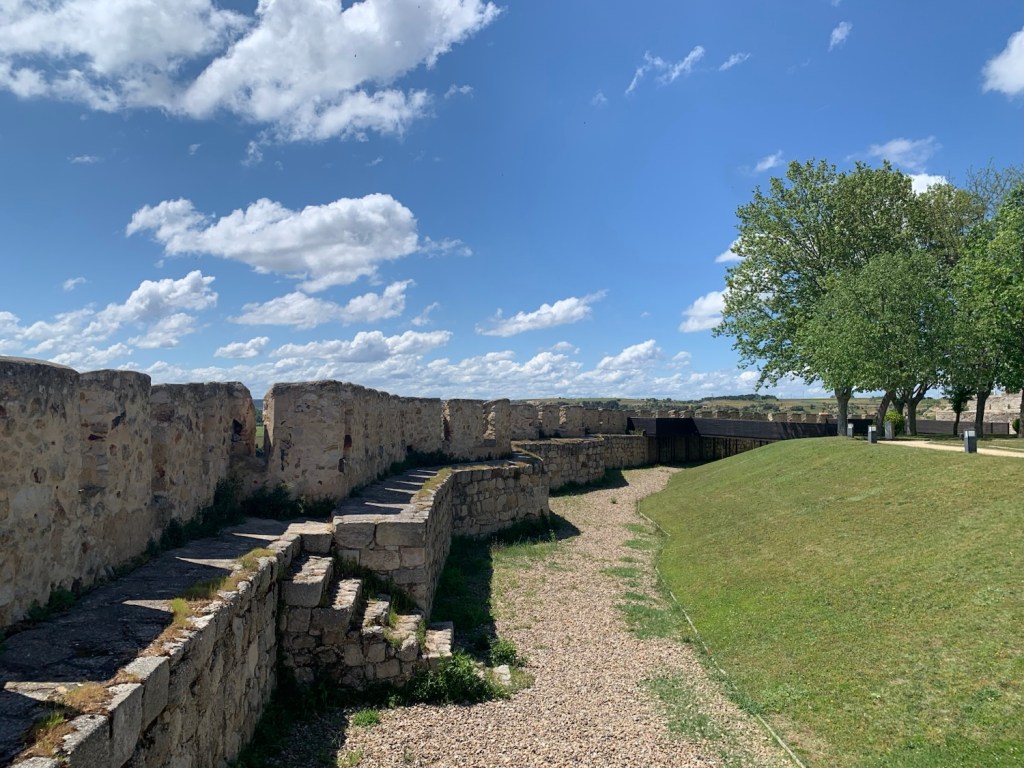
The 12th century Zamora Castle looked amazing from the outside although our timing wasn’t on to see inside.
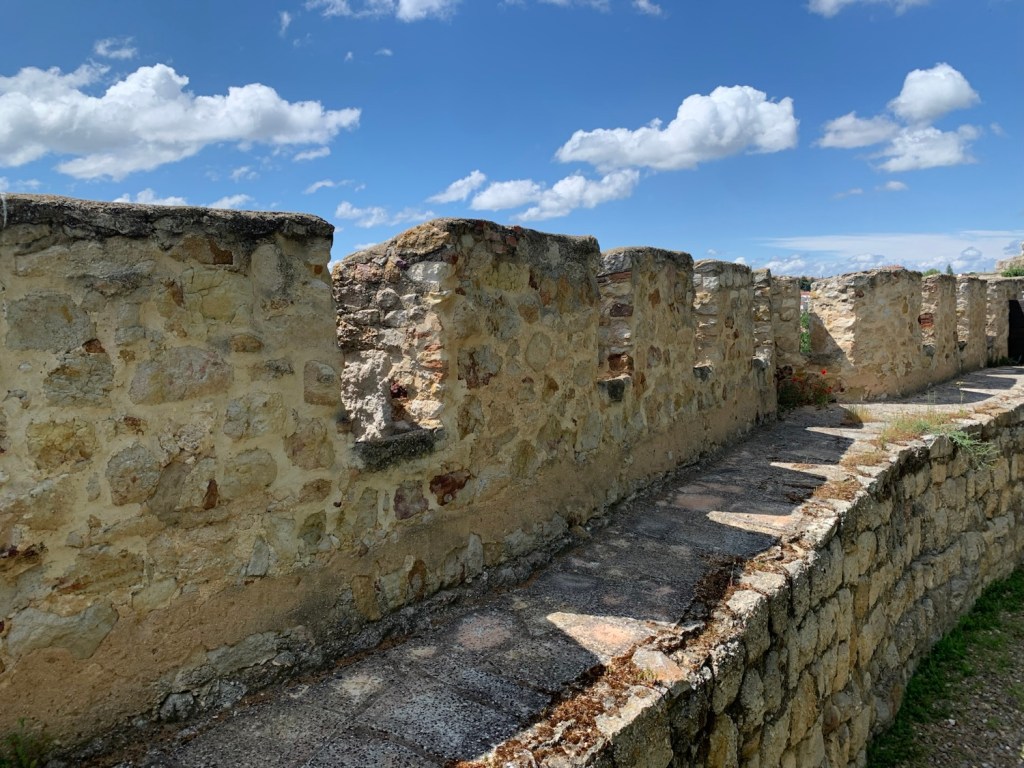
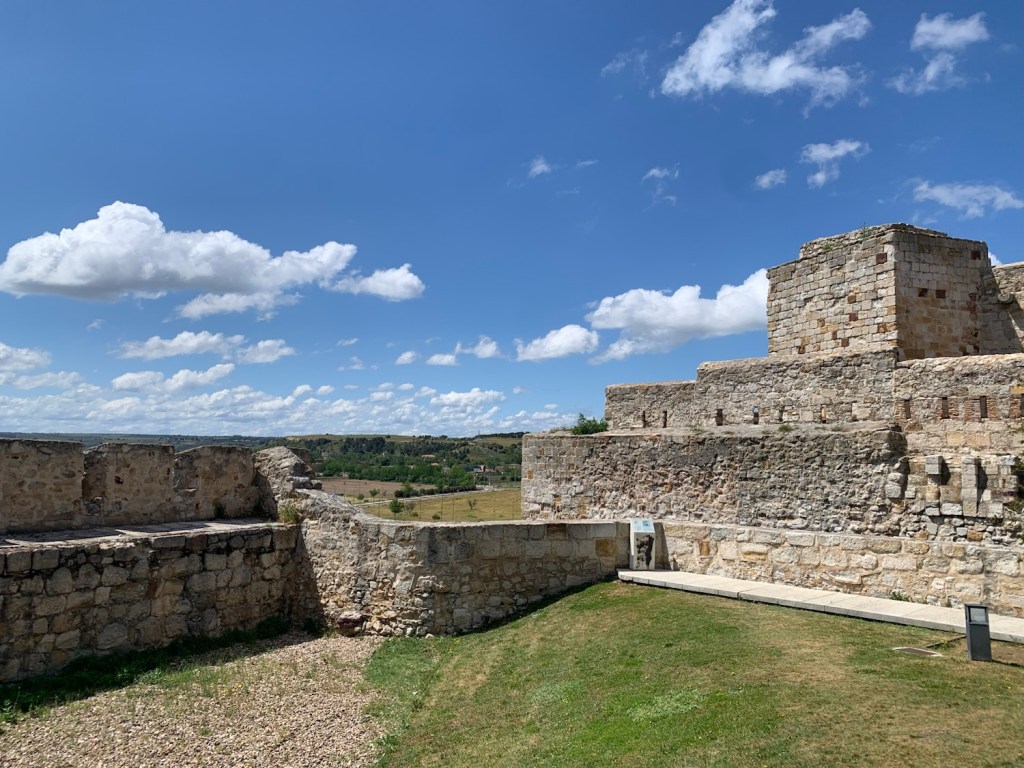
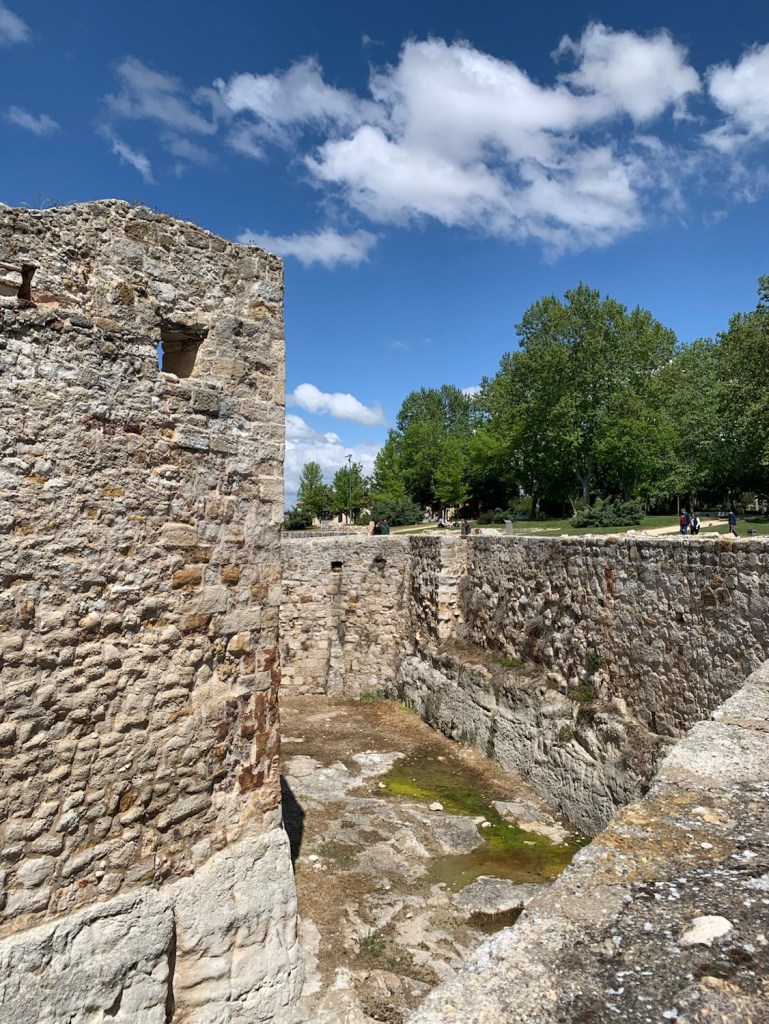
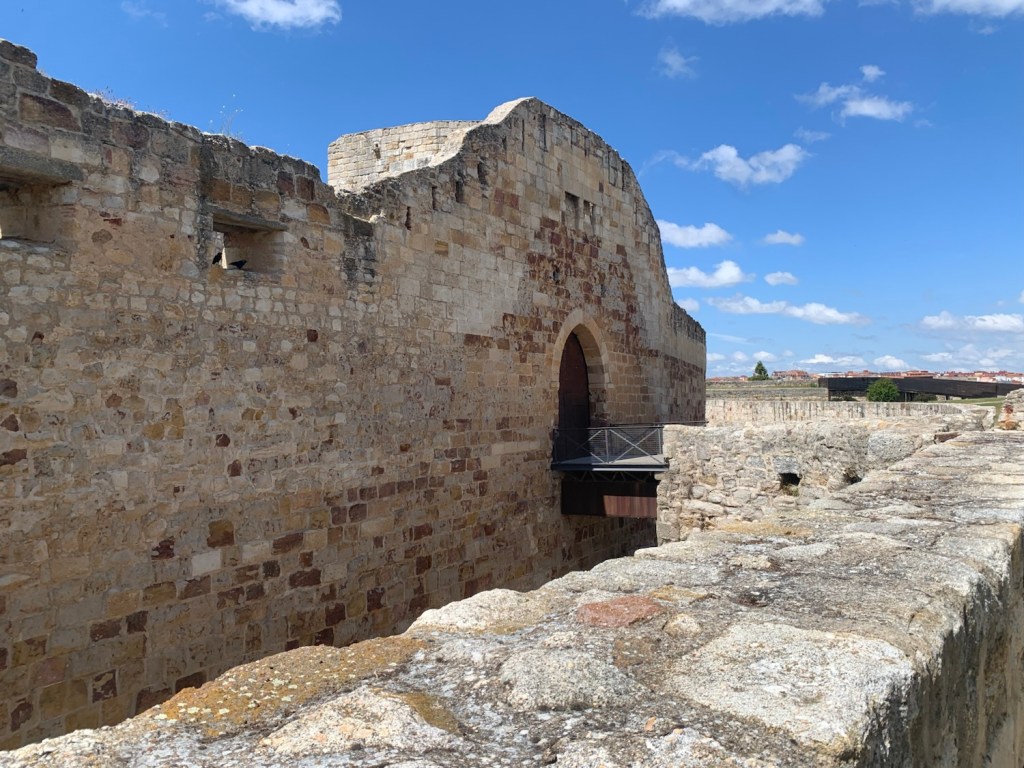
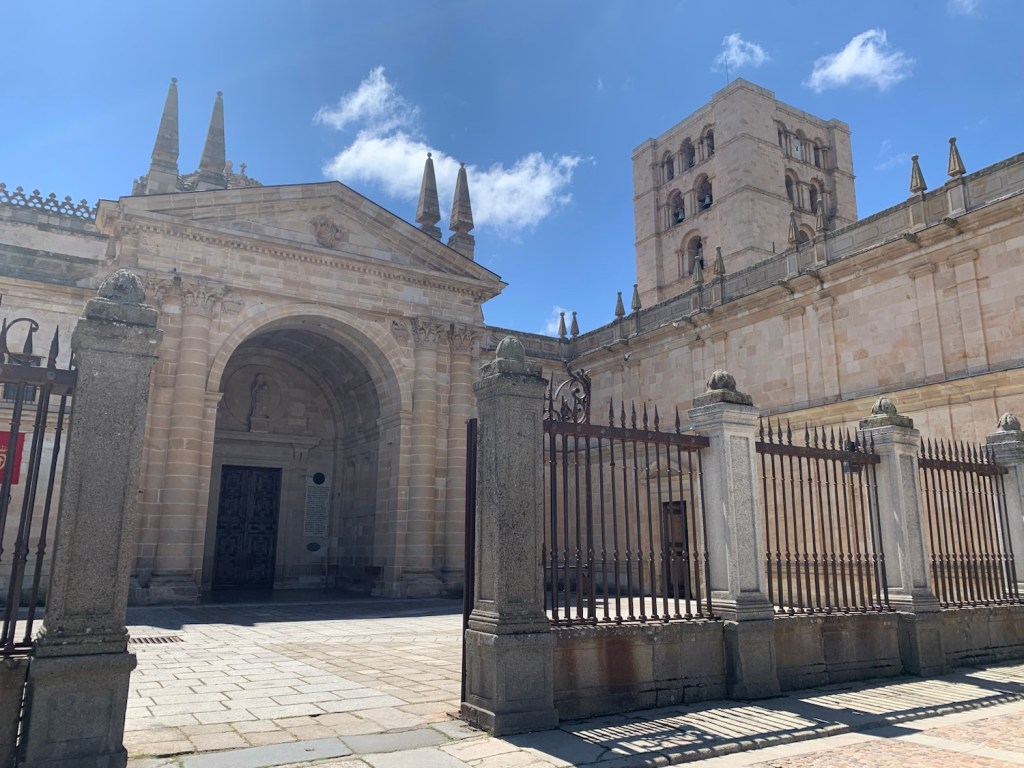
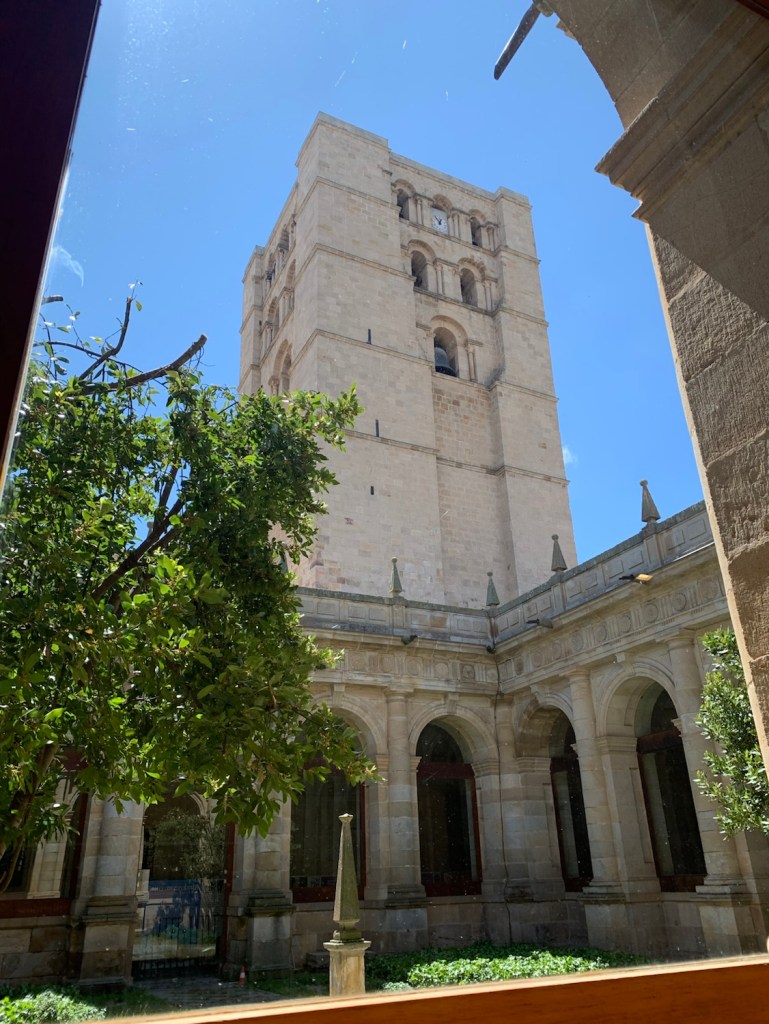
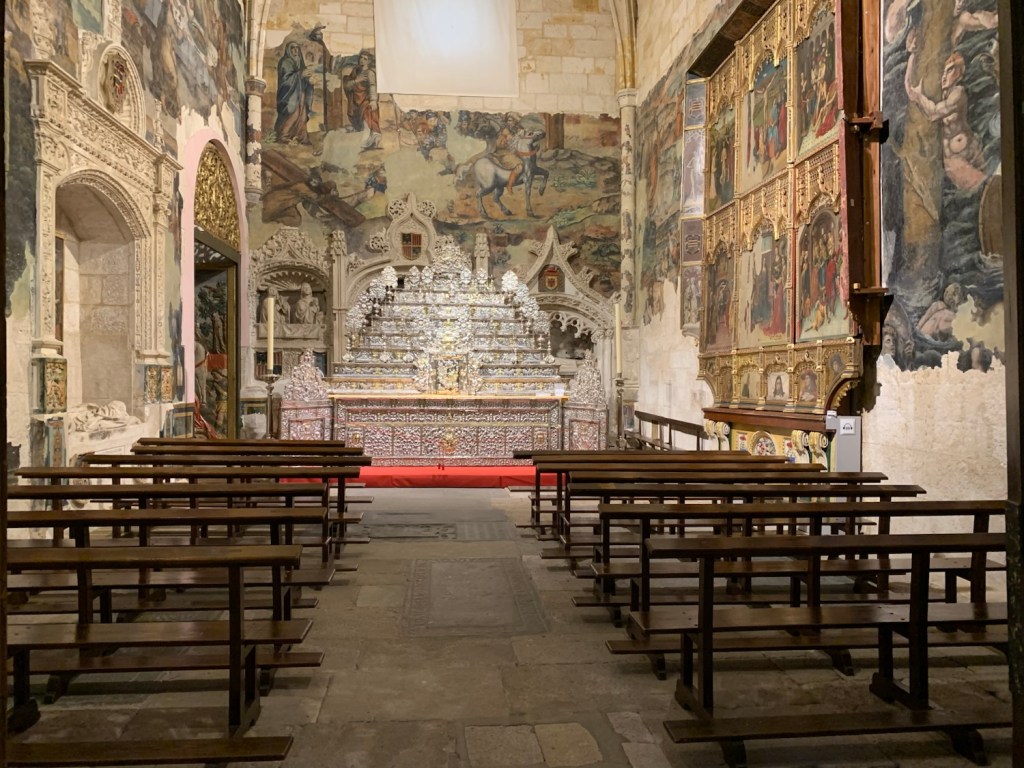
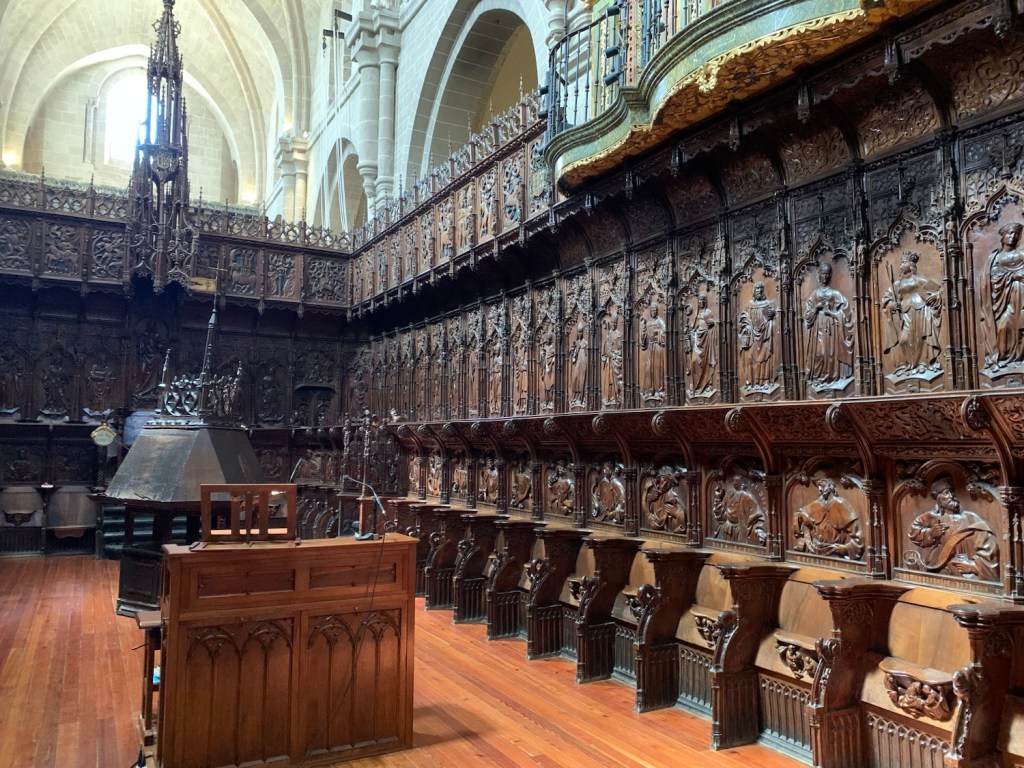
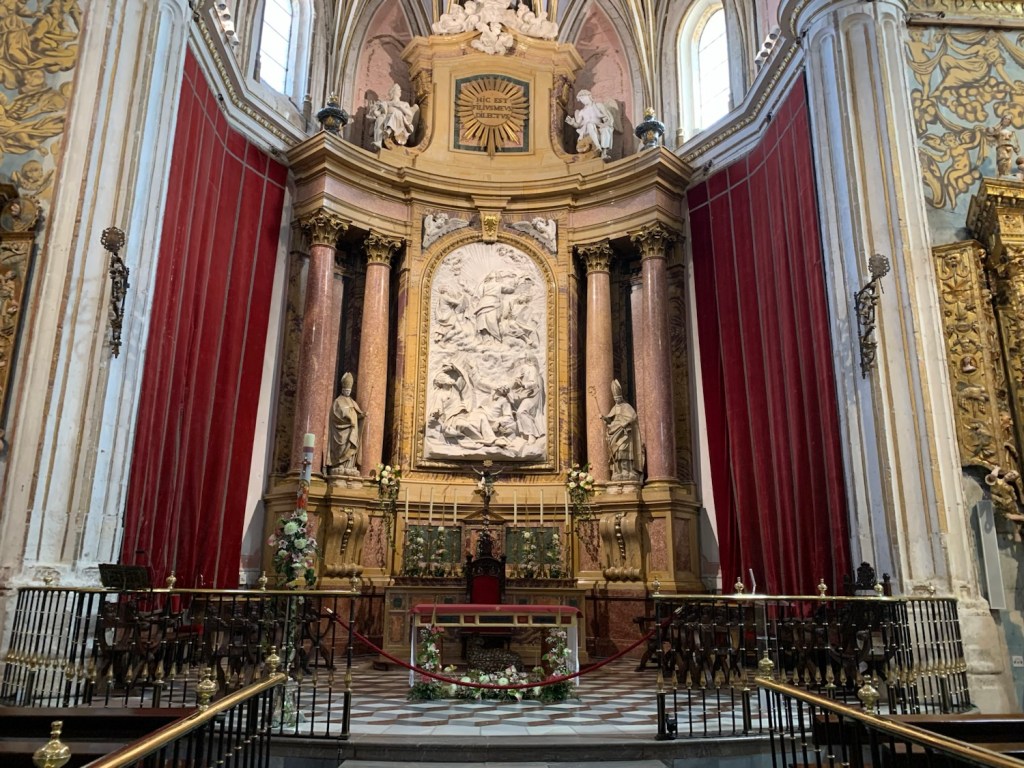
The Zamora Cathedral, also from the 12th century, and is one of the finest examples of Spanish Romanesque architecture, defined by its rounded arches rather than the pointed ones of Gothic style.


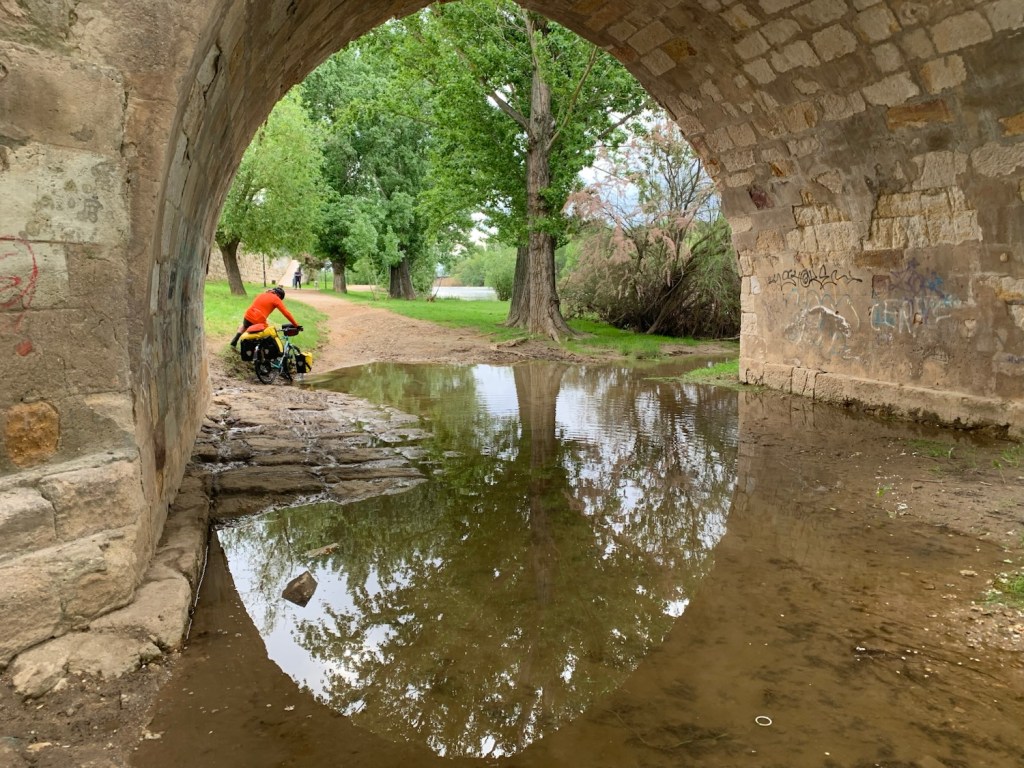
Leaving Zamora we successfully navigated our way through the water covered cycle path and out onto a cycleway proper.
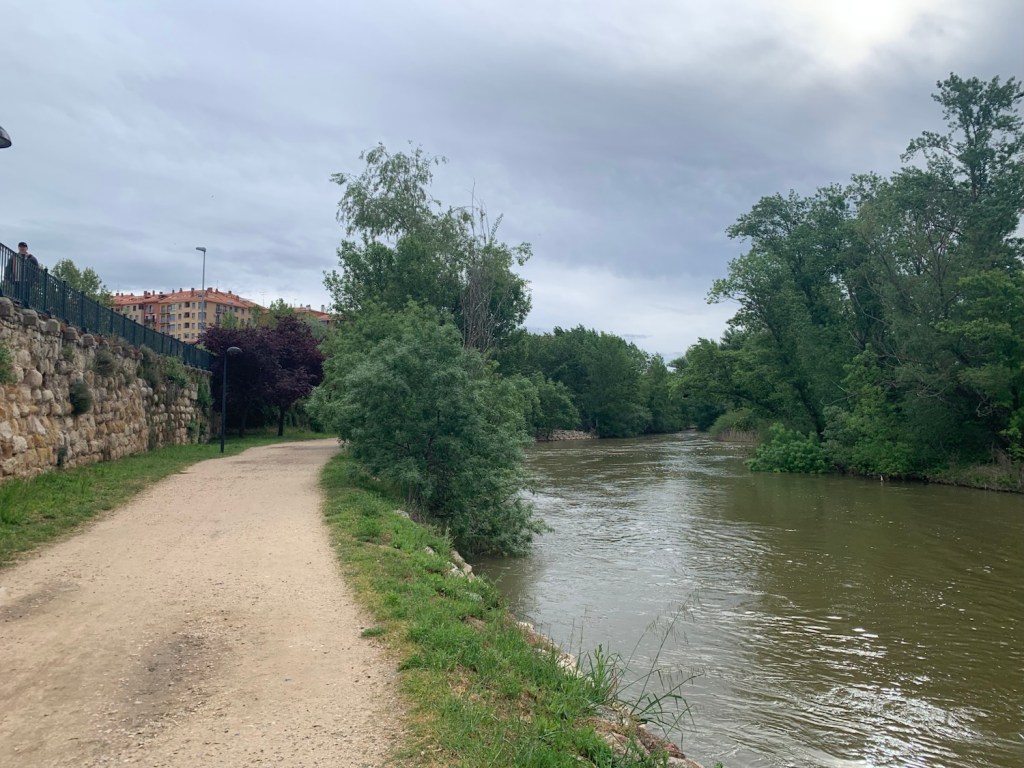
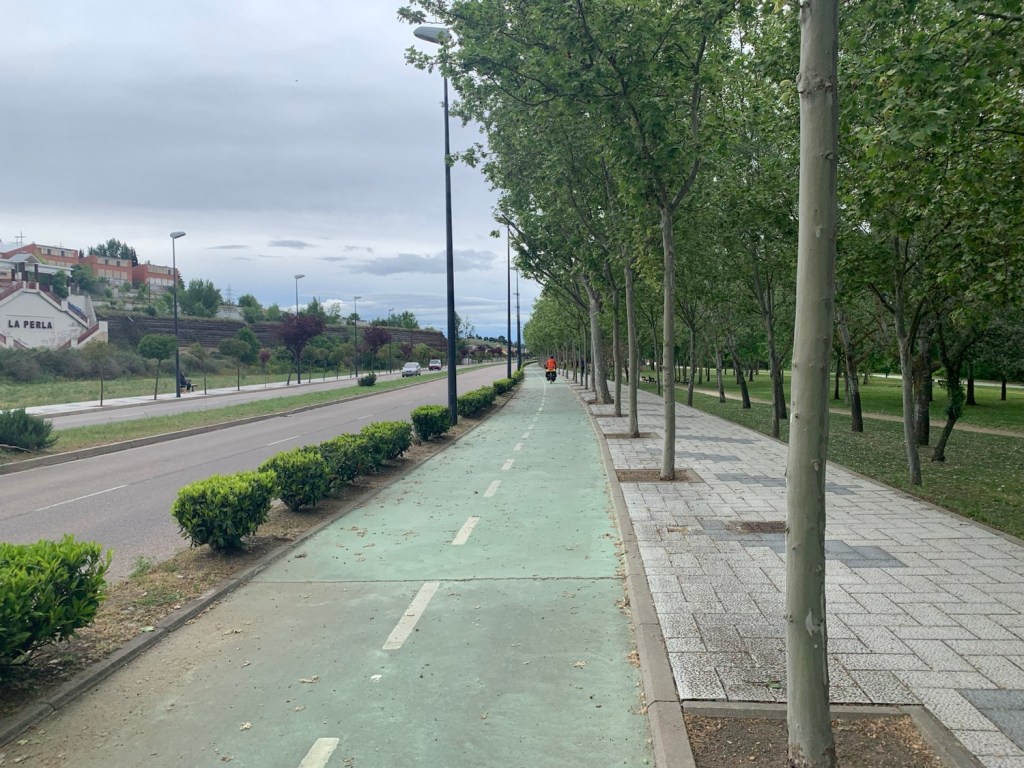
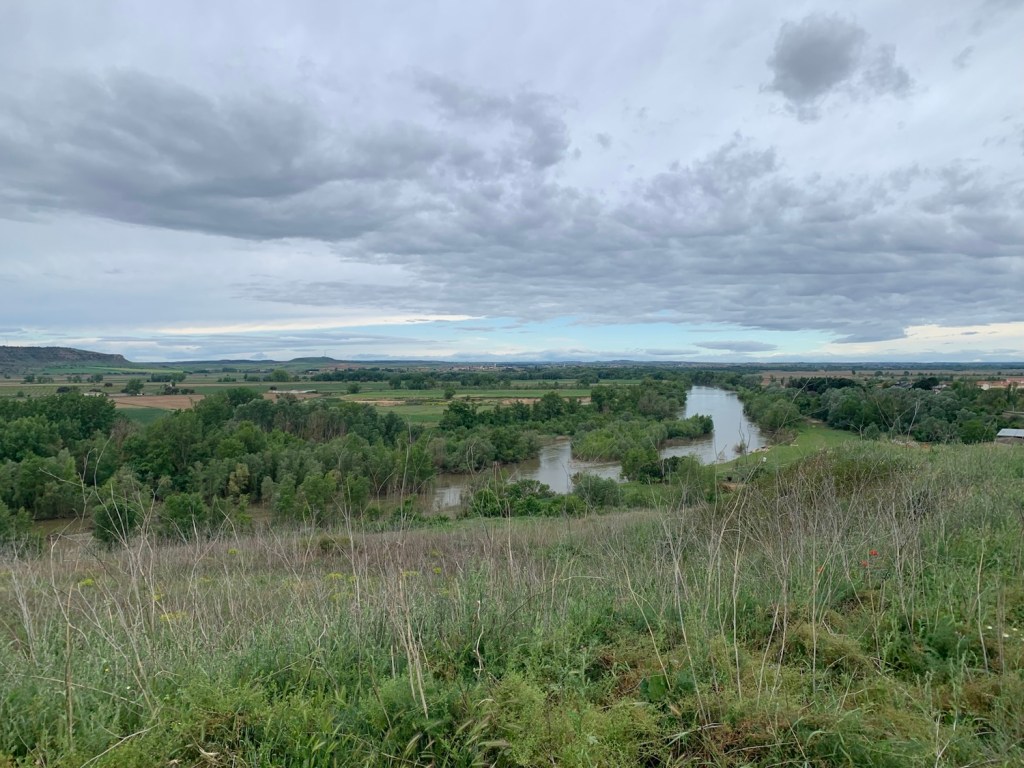
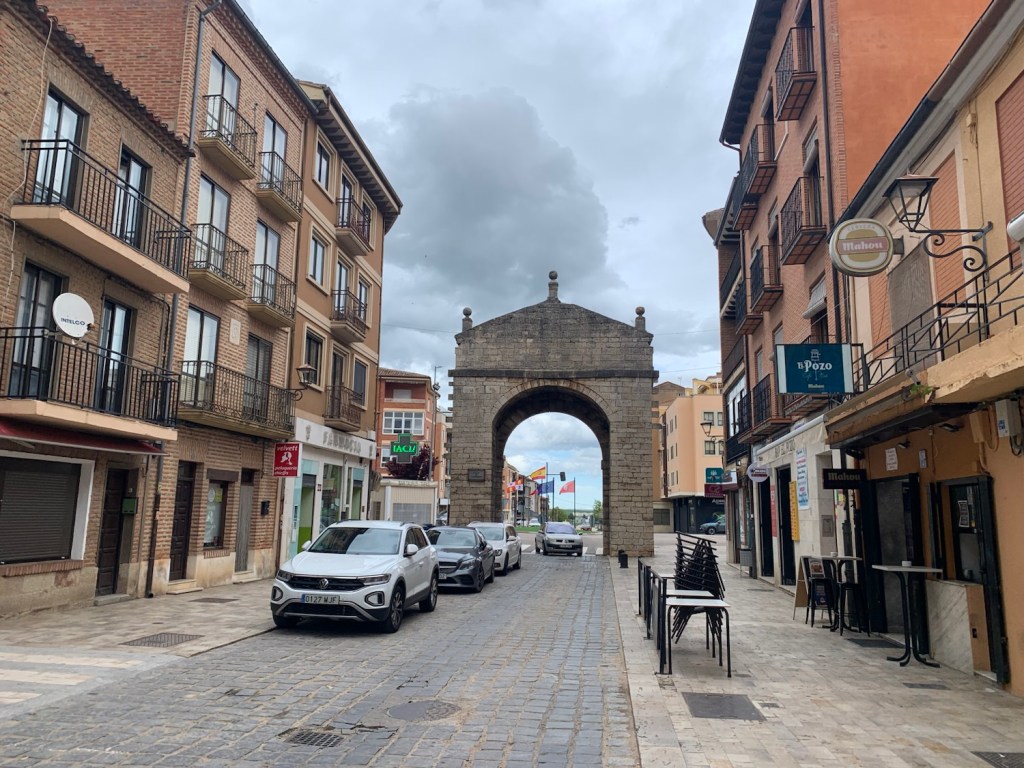
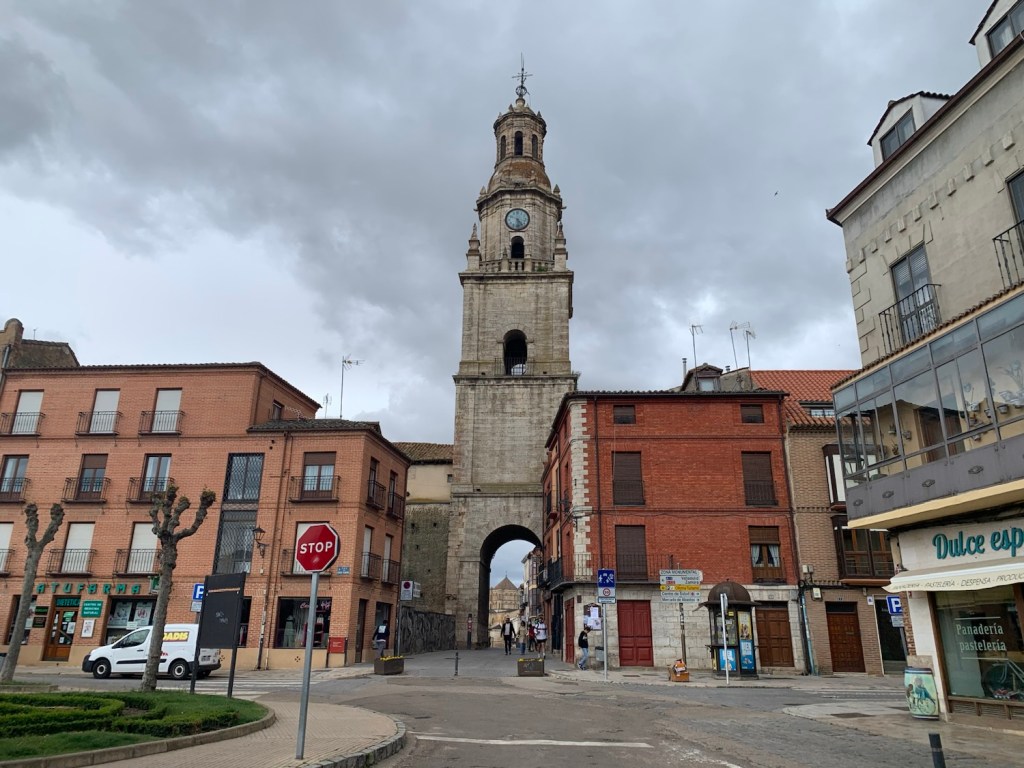
Another short ride, with the Rio Duero in sight, we rode to Toro.
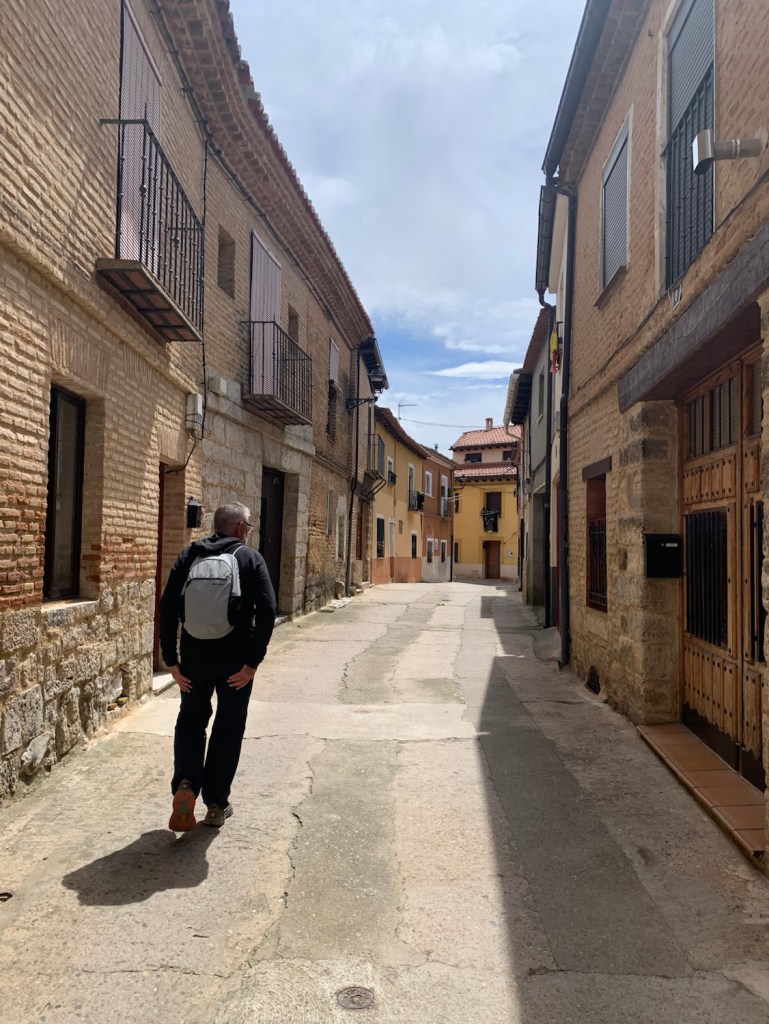
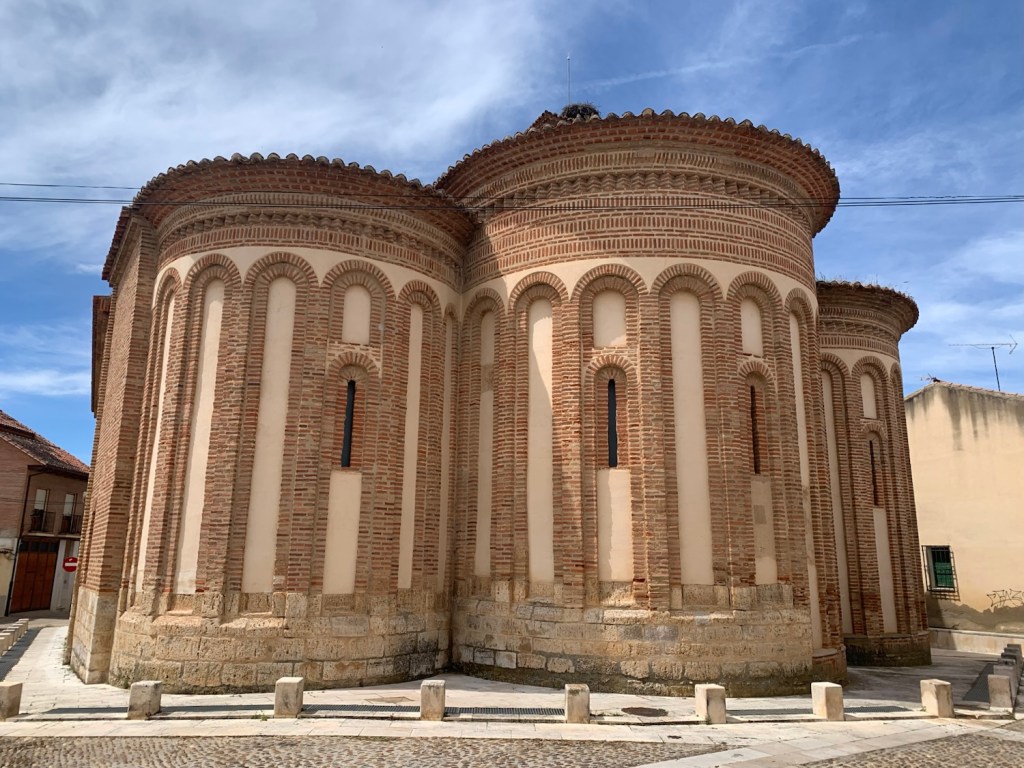
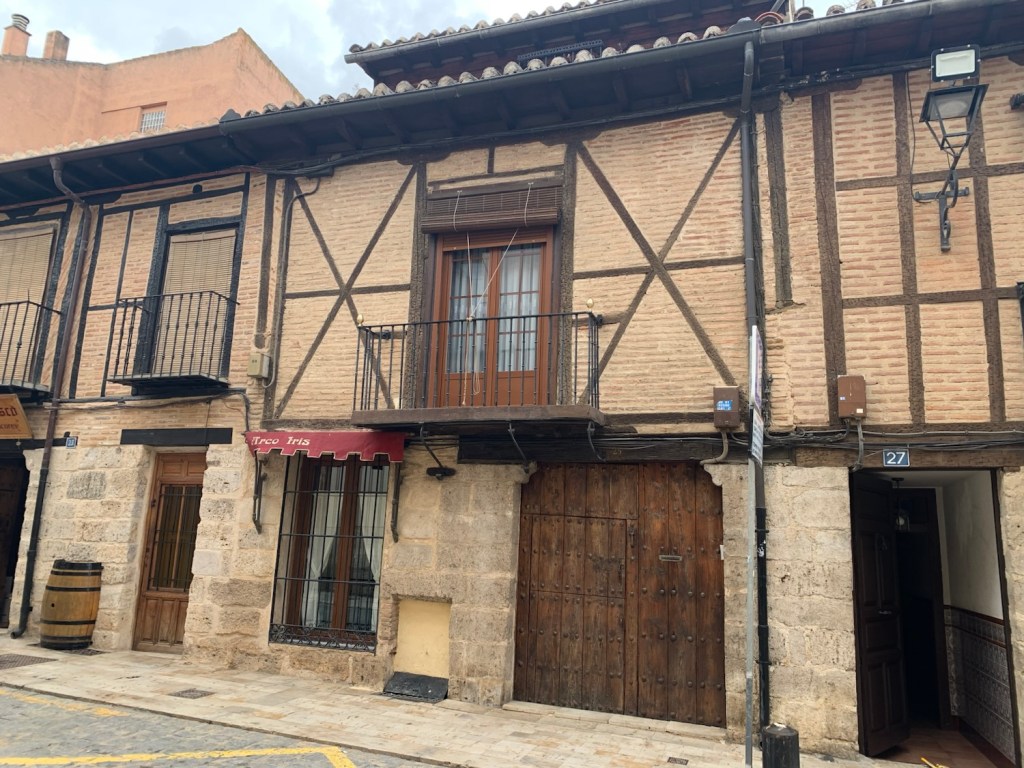
Our accommodation was a room in a recently restored 13th century home complete with an underground cellar (down 36 steps) that had been working wine processing cellar in its day.



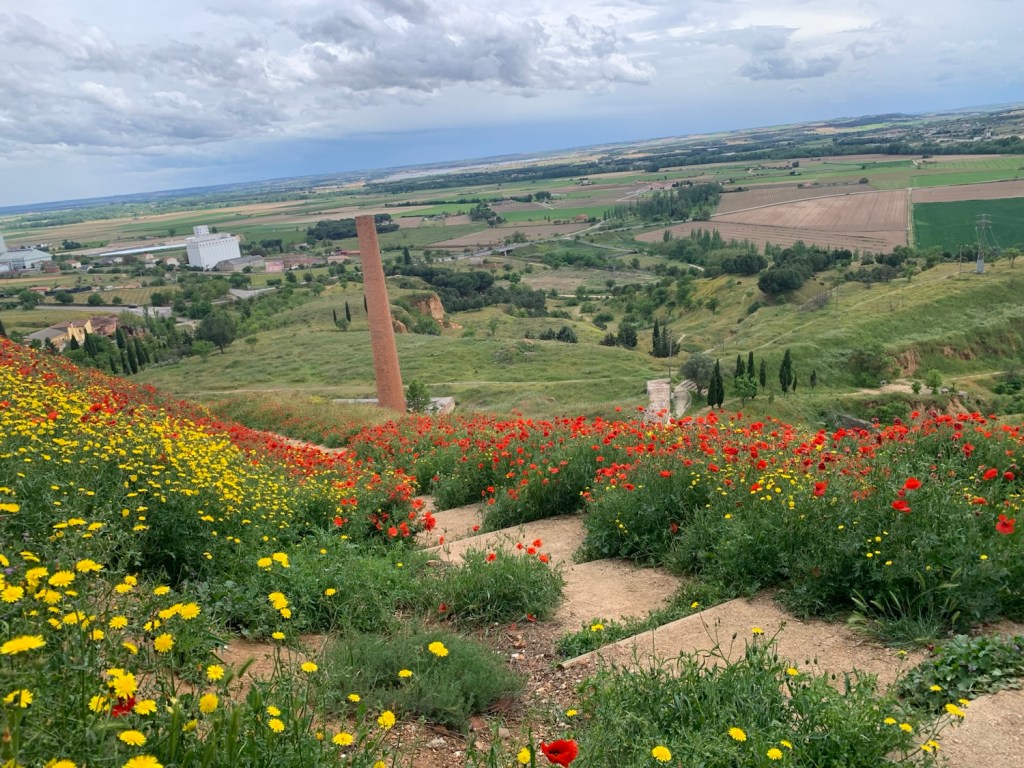


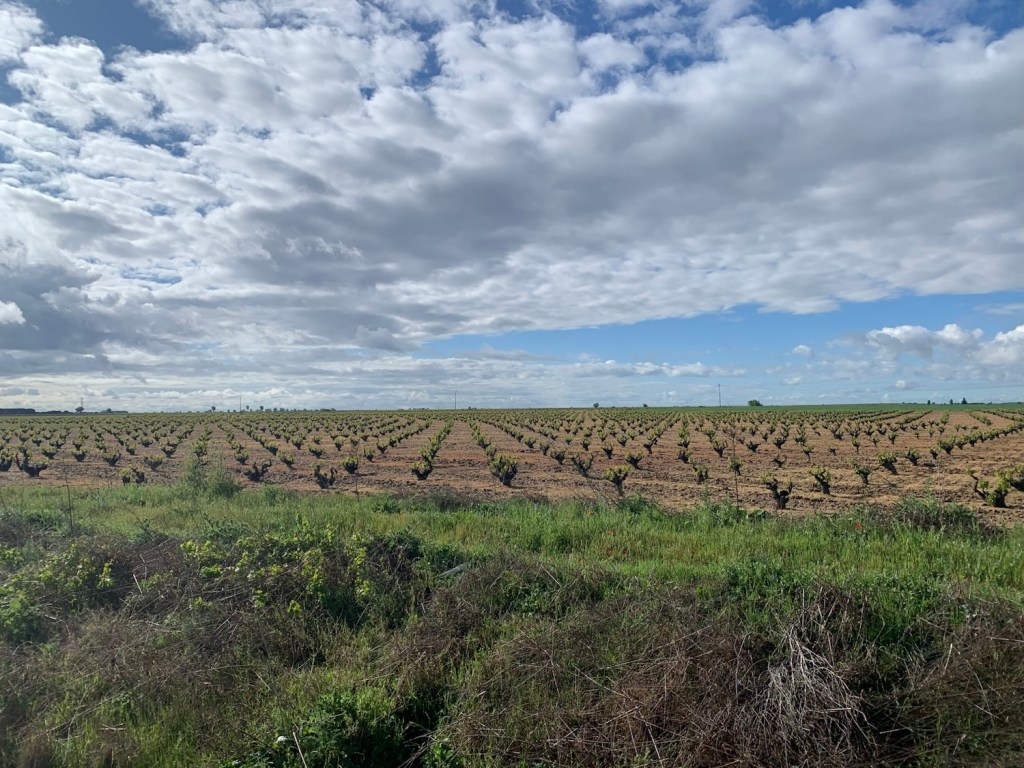
The riding continued to be short and easy on the roads passing by fields and fields of grape vines just starting their spring growth.
The Toro wine region is well-known for its powerful, full bodied red wines made from Tinta da Toro / Tempranillo.
It was also the area that, due to its sandy soil, did not suffer from the disease phylloxera that affected so many other vineyards.
Intriguing though were the vines growing without any wire supports. Maybe when they grow they naturally support each other??
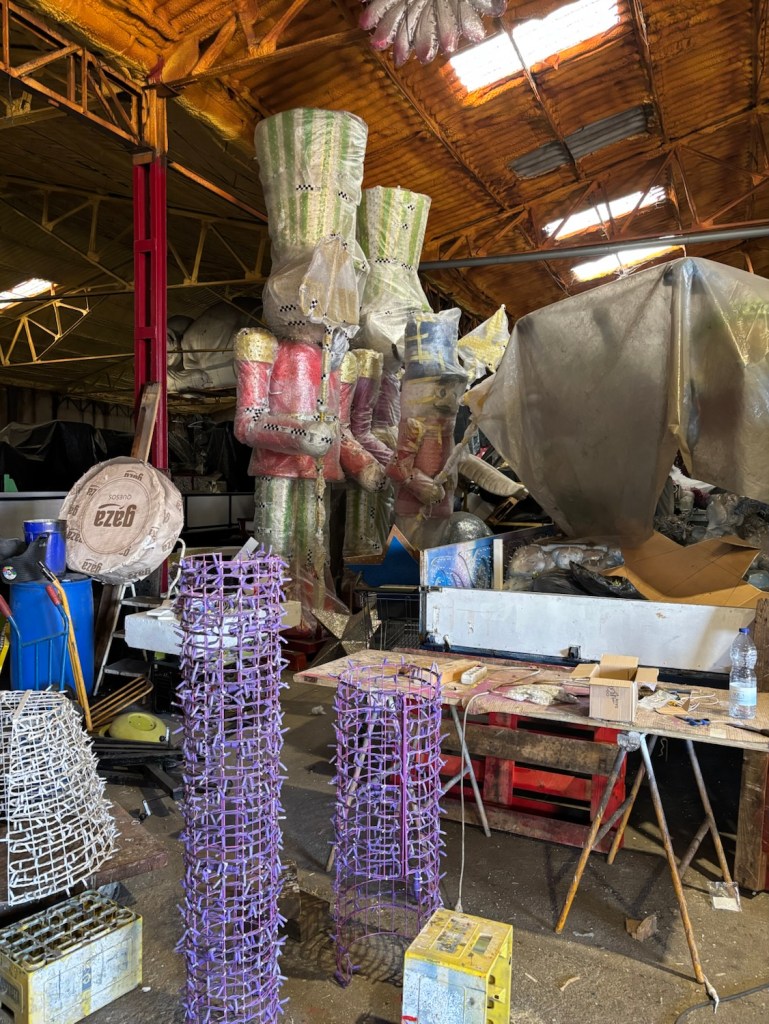
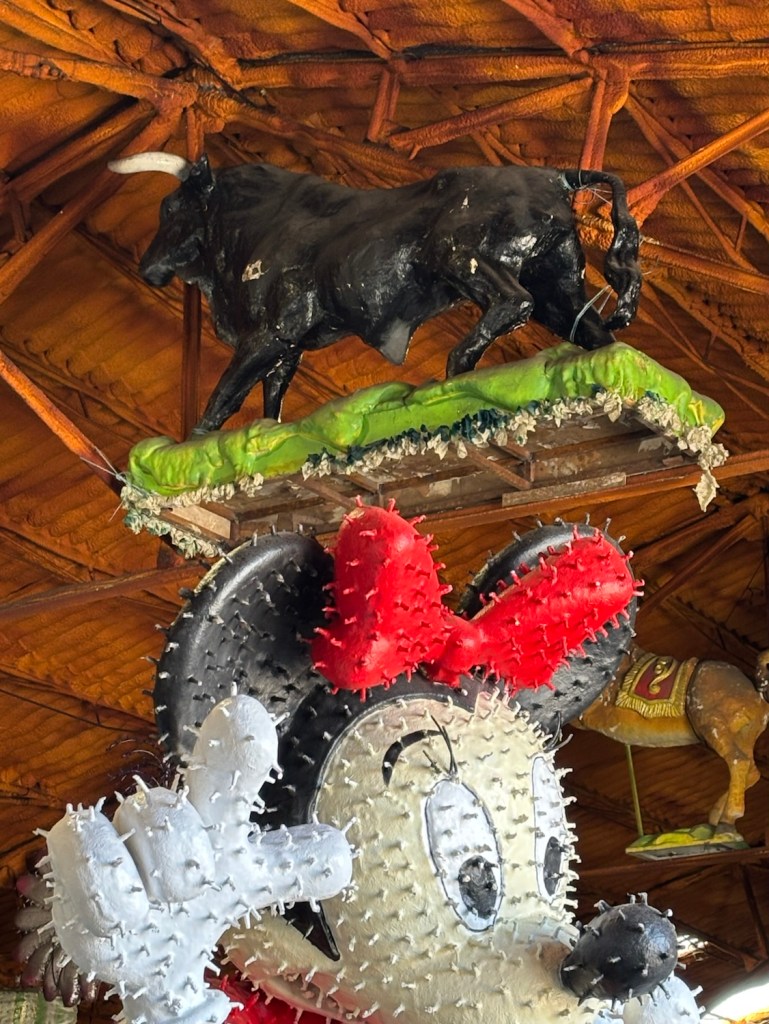
Riding through Morales de Toro, Greg noticed a large Minnie Mouse inside a warehouse as we rode by. Captured by this unusual sight, we went back to have a closer look.

The warehouse houses the floats for the local festivals and the guy we met was doing maintenance for the next parade. So friendly, he let us wander around to have look even we had difficulty understanding each other.


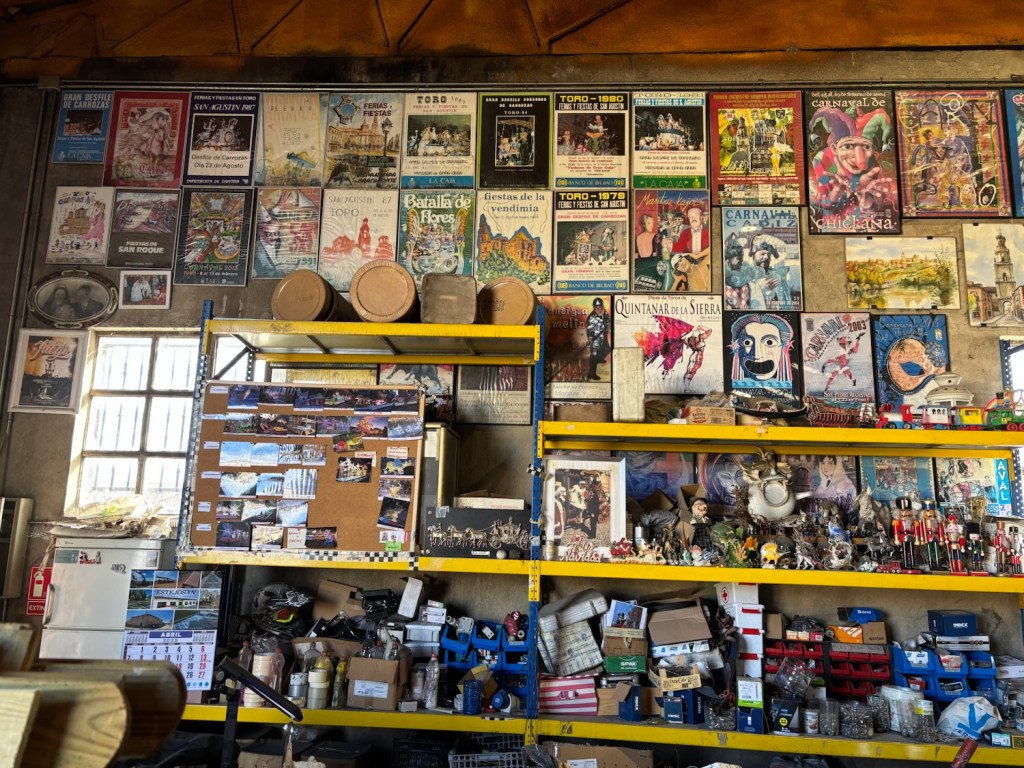
He also had a couple of walls of parade posters, dating back to 1979. Just fascinating. It truly is a place where childhood dreams are made and stored.

Tordesillas, our next stop, was to be the only campground in this stage of our riding. There just weren’t any in this area.
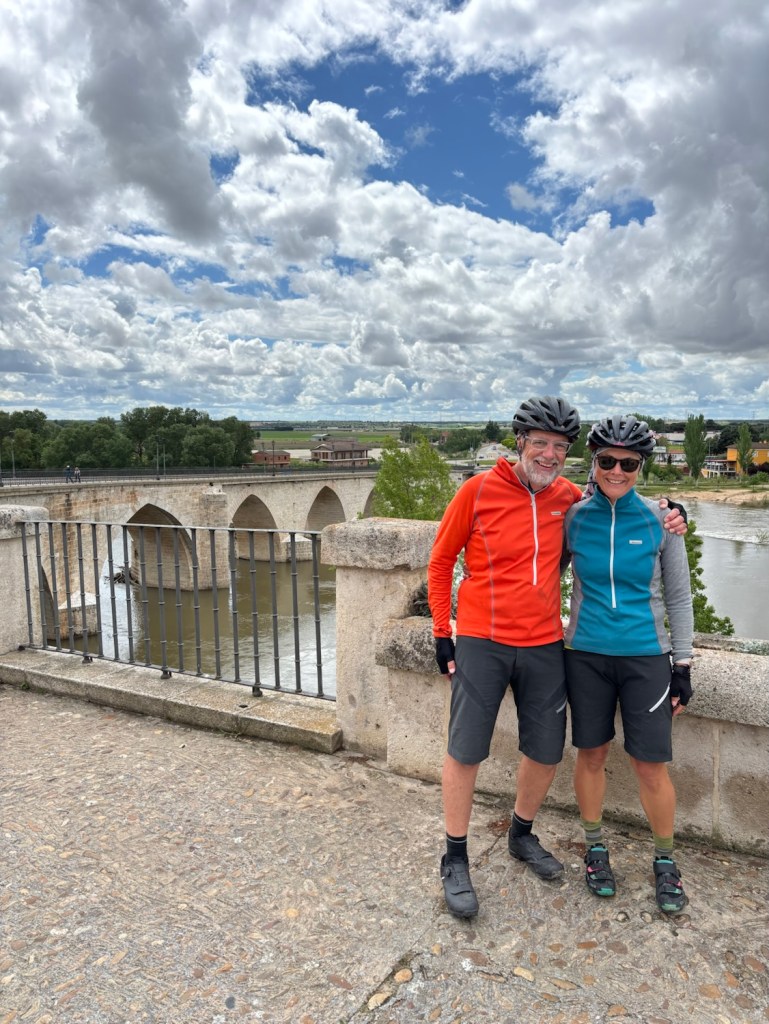
We had managed to miss the rain predicted as we rode but the campground was sodden in many places. We walked around to find a premium site, slightly raised and grassed, perfect!
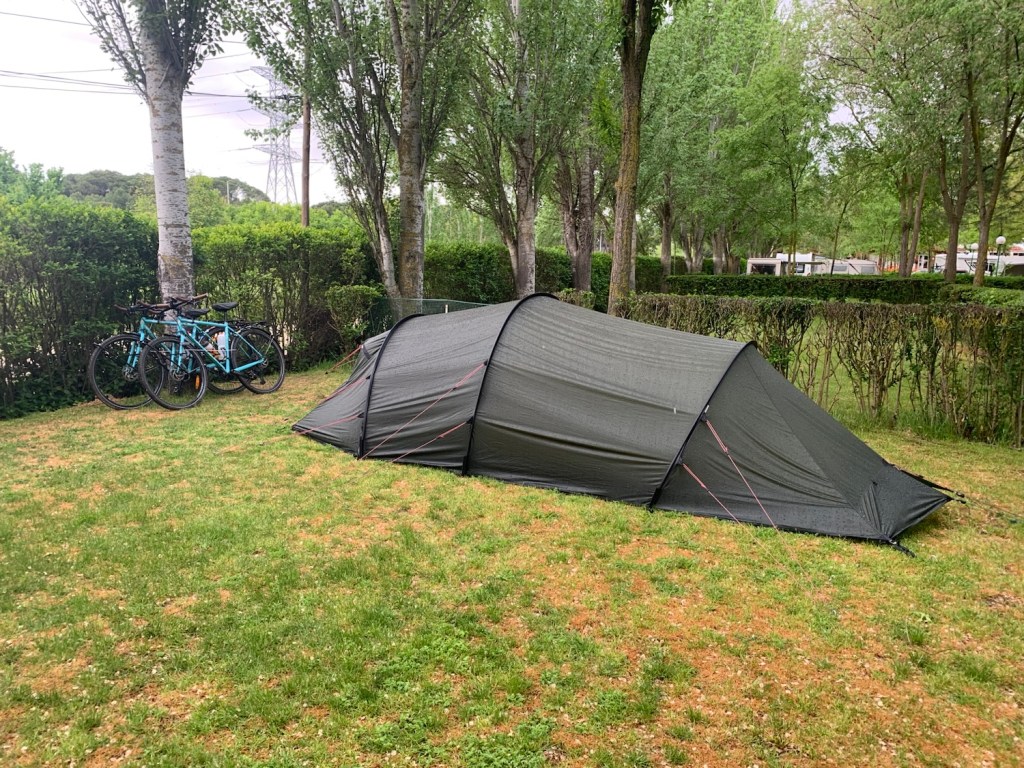
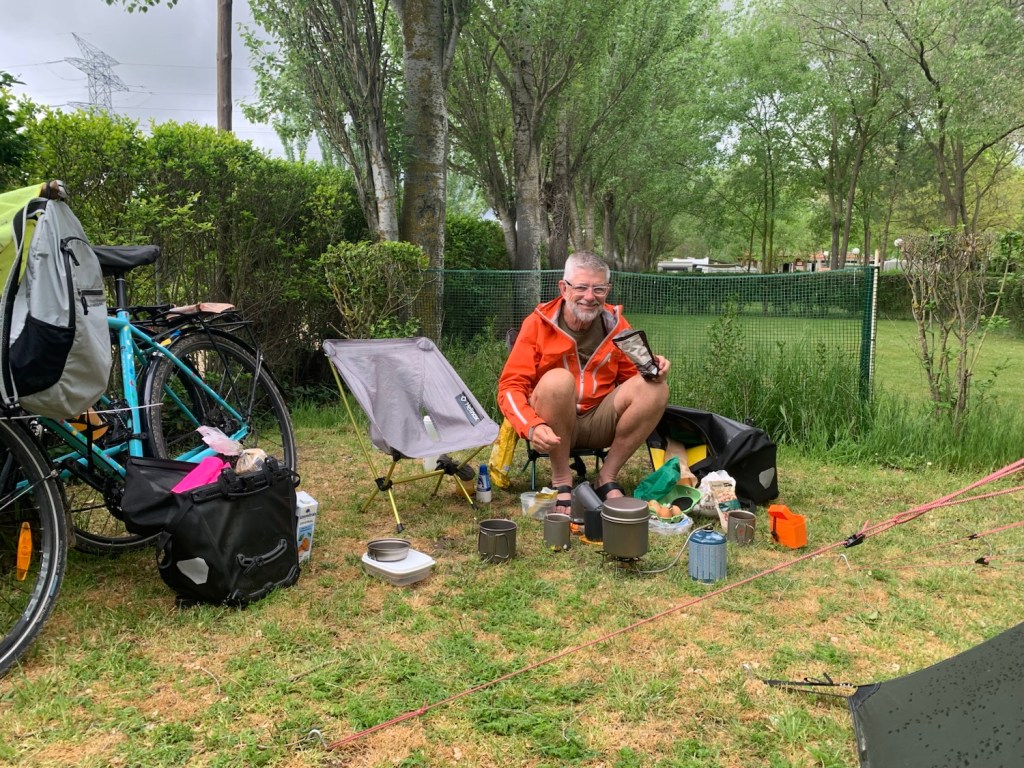
A short walk back to town with and afternoon exploring.

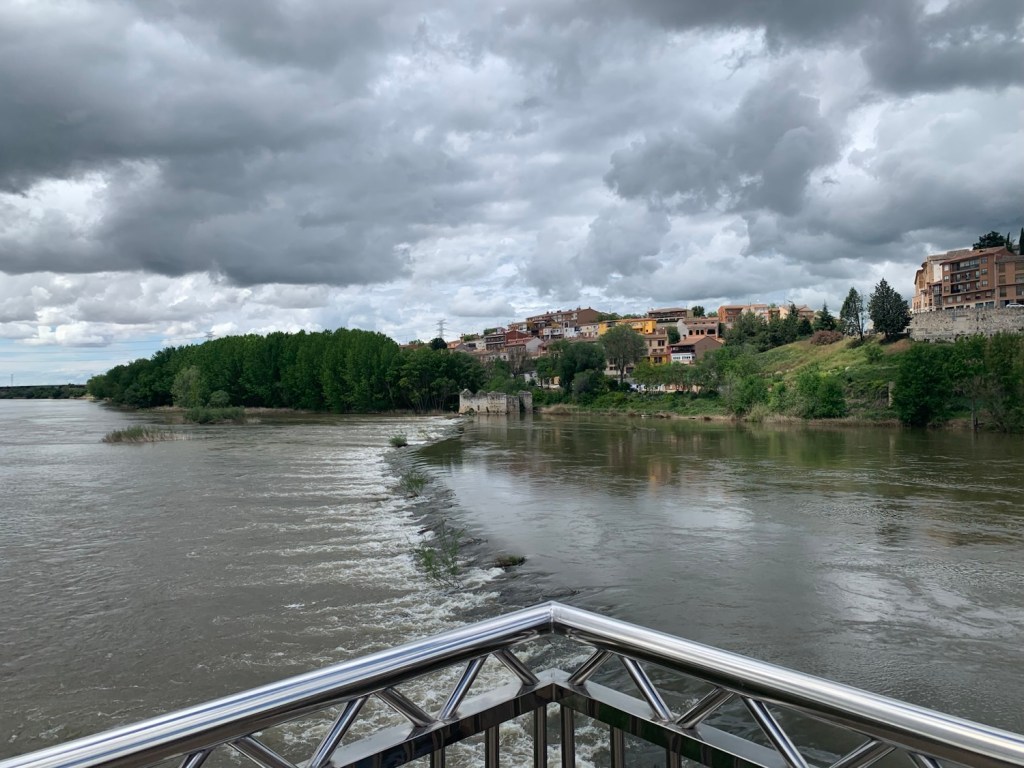
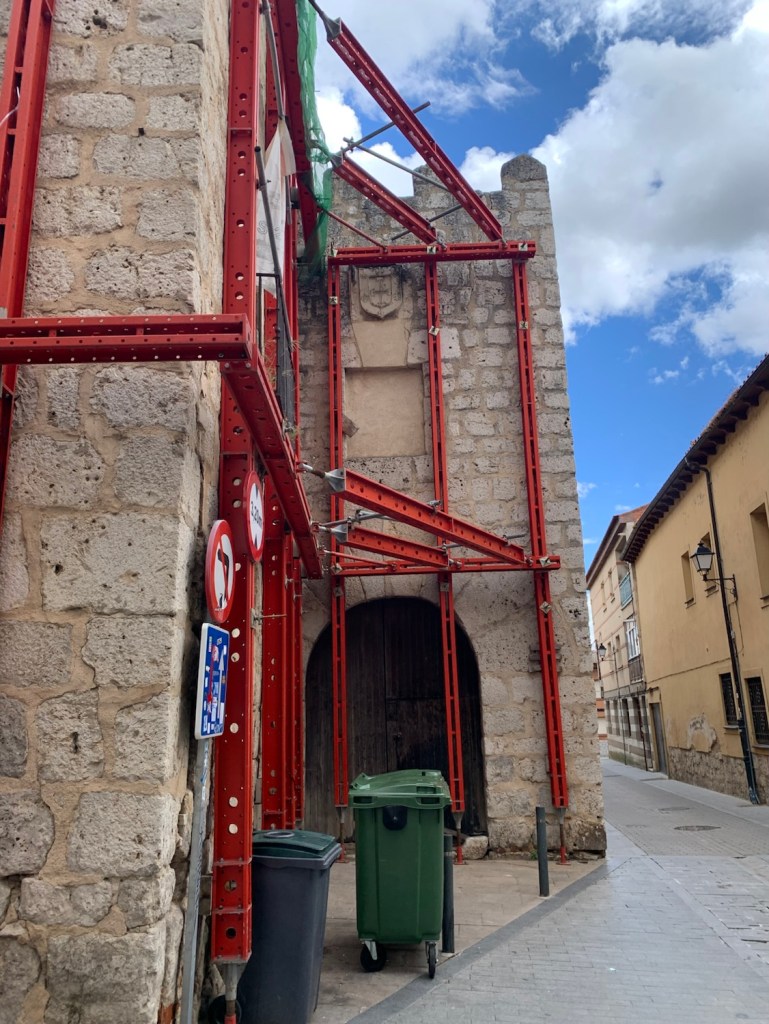
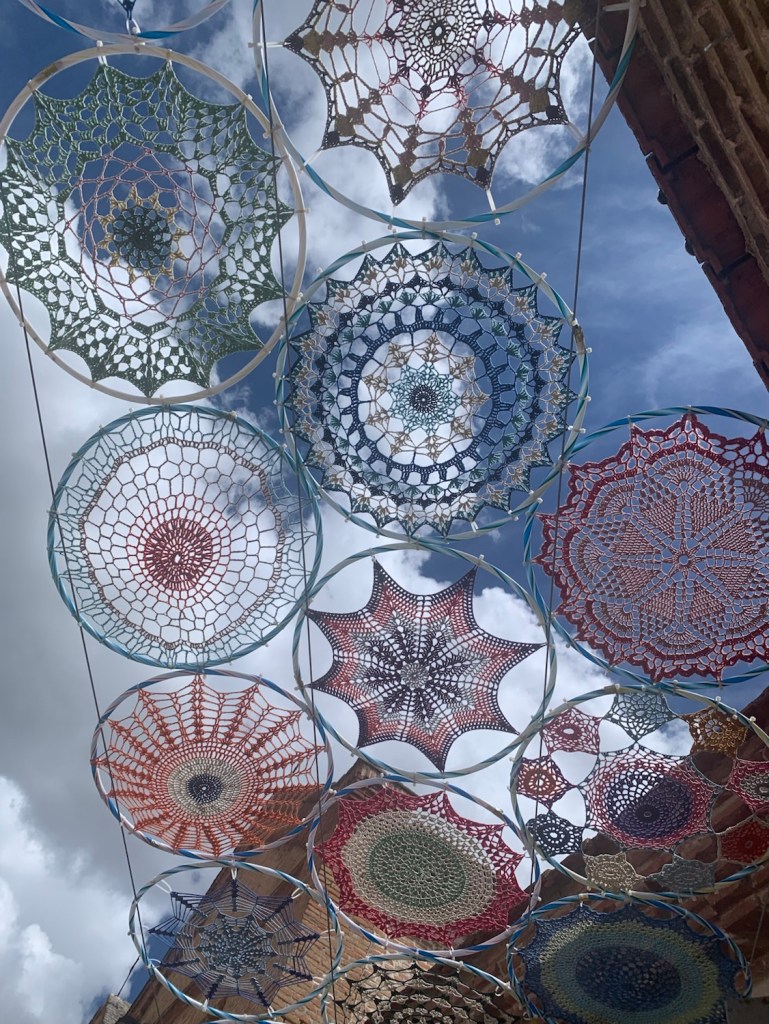
A planned rest day morphed into 2 more nights and a move to a cabin as the rain was coming in. We wanted to neither ride in the rain or deal with wet tent camping.
The cabin was perfectly formed and proved to be a new start in a couple of ways.

Greg befriended a group of 4 English cyclists and their advice on wild camping gave us the the confidence to give this a go, even though it is illegal in Spain.
Arrive late, stay only one night, leave no trace and ask if there is someone or a house nearby.
And for me continuing to be out of sorts, I took time to speak to my friend Jo back home. A lovely call that gave me the space to hear myself speak without always talking with Greg and hear her feedback.
I was able to see that what we are doing everyday was hard, this adventure we were on.
Always on – planning routes, where to sleep, what to eat, where to buy supplies. And of course, the riding.
That is big on its own and to give myself a hard time for not riding every inch was not necessary.
I finally had some perspective that I hadn’t been able to find on my own.
With a much clearer head space and clear skies we changed our route plan and headed off to find our first wild camping spot.
I love the camping side of our riding. It’s so much more relaxing than searching Booking.com for accommodation.
The simplicity, things in the tent have their place, the food is easy – dinner is rice, broccoli with tuna/sardines or bread and cheese, and rice with nuts and seeds for breakfast. It’s cosy living low to the ground.
The main criteria was to find a largish pine tree plantation that would have a reasonably hidden flat spot back off the road.
I could roughly work this out using Komoot and the terrain view and we found our first spot just short of Olmedo.
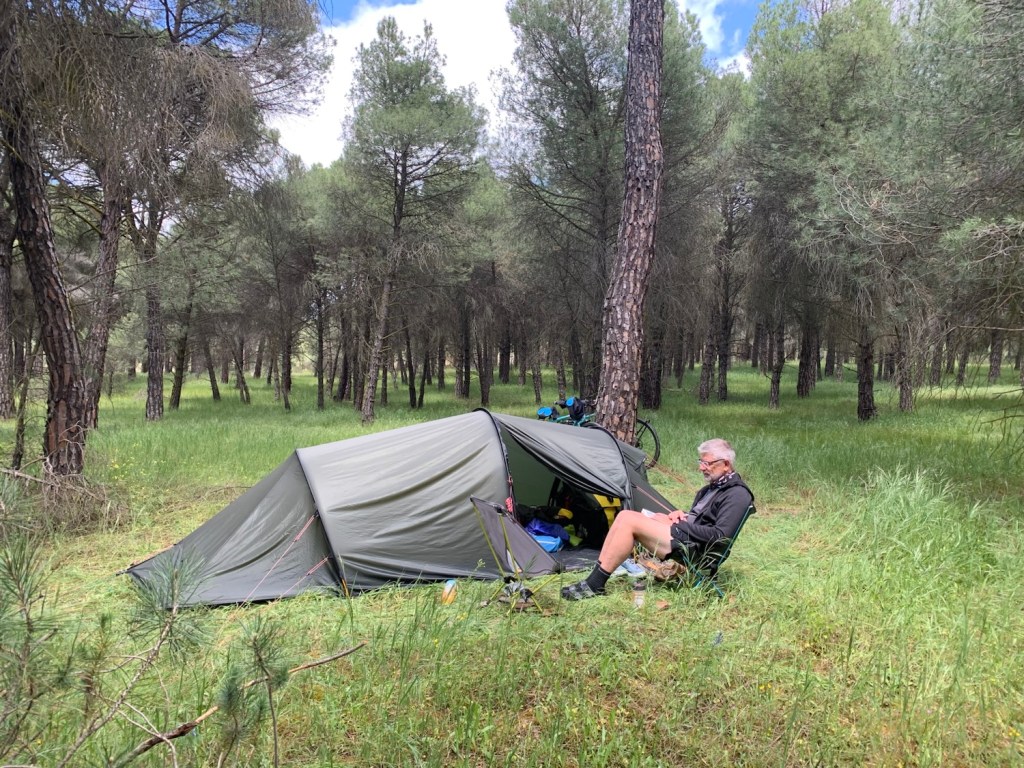

Feeling slightly apprehensive that we may be spotted, we set up camp and settled in for the night.
It got cold quickly as the light in the trees disappeared, so early to bed wearing most of our clothes to keep warm overnight.
As per our usual tent placement, we woke the next morning, to a wet tent and no hope of sunlight reaching us anytime soon.
Carrying the tent to a nearby side road, we managed to get it mostly dry while having breakfast.
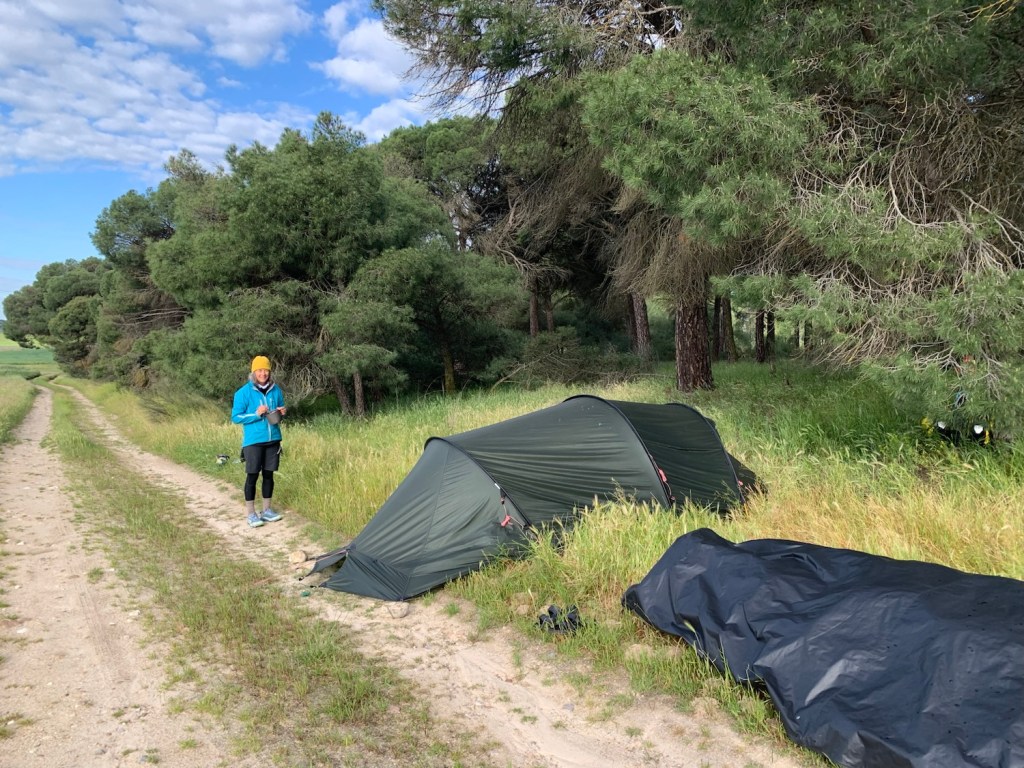
Packed up and on the road, we rode some quiet roads and took time to ride into some small villages that we passed.

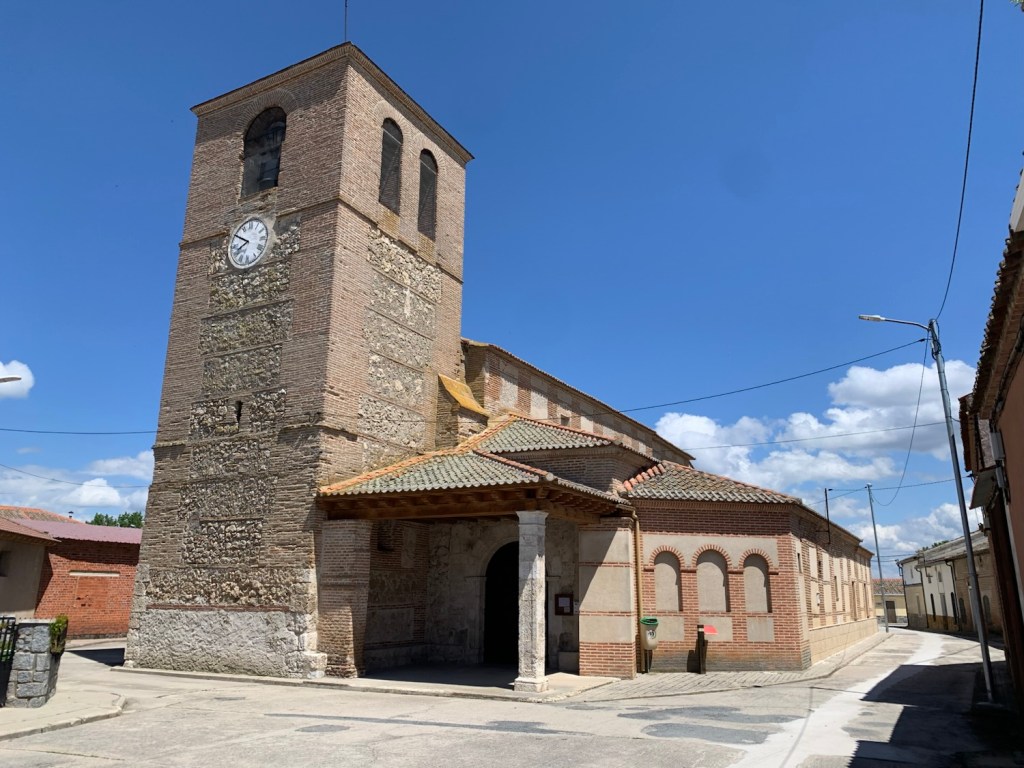
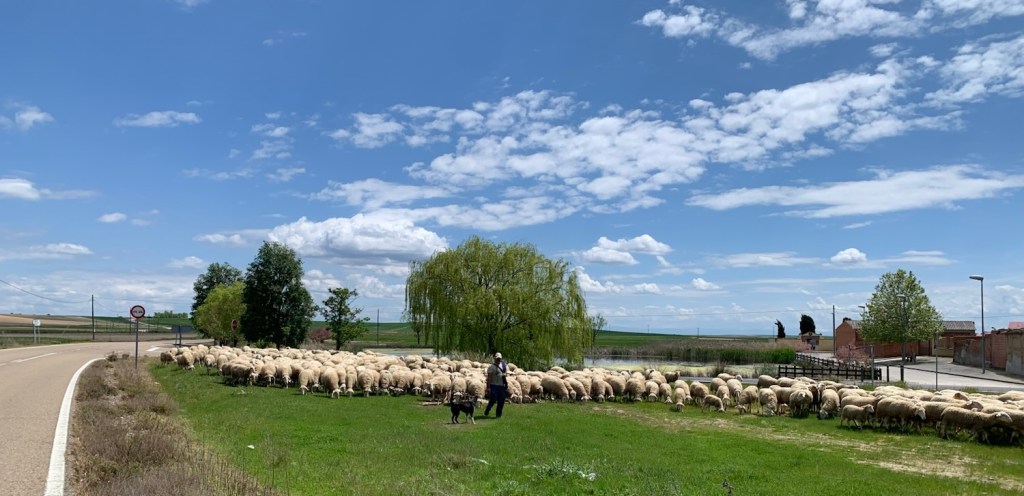
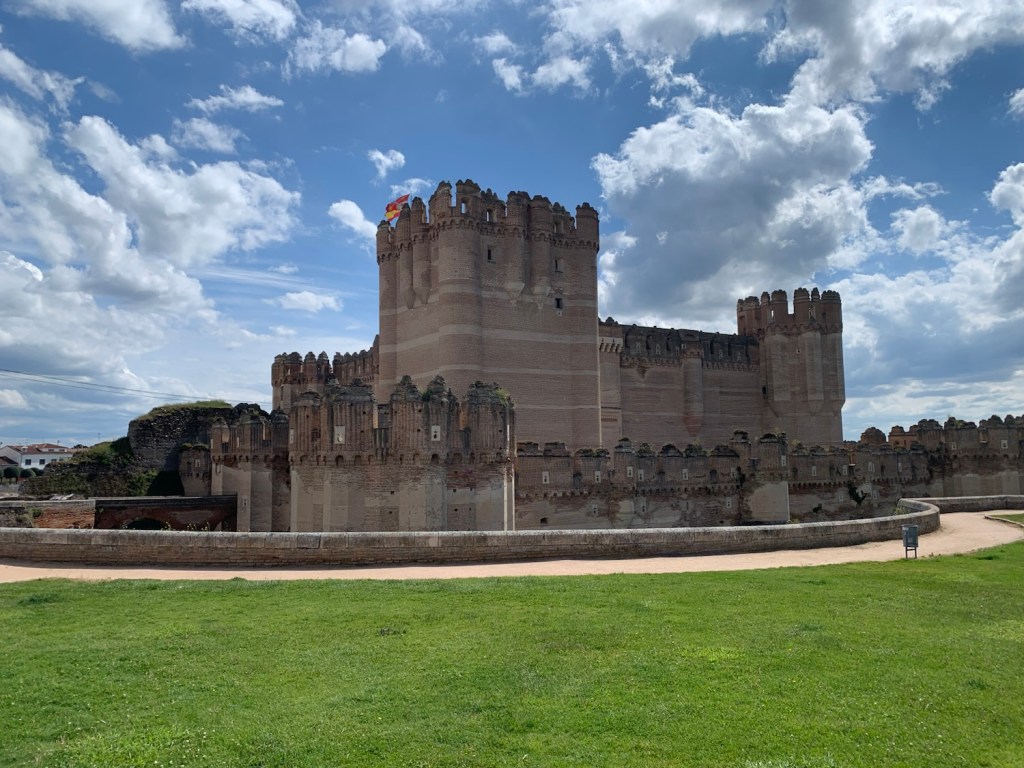
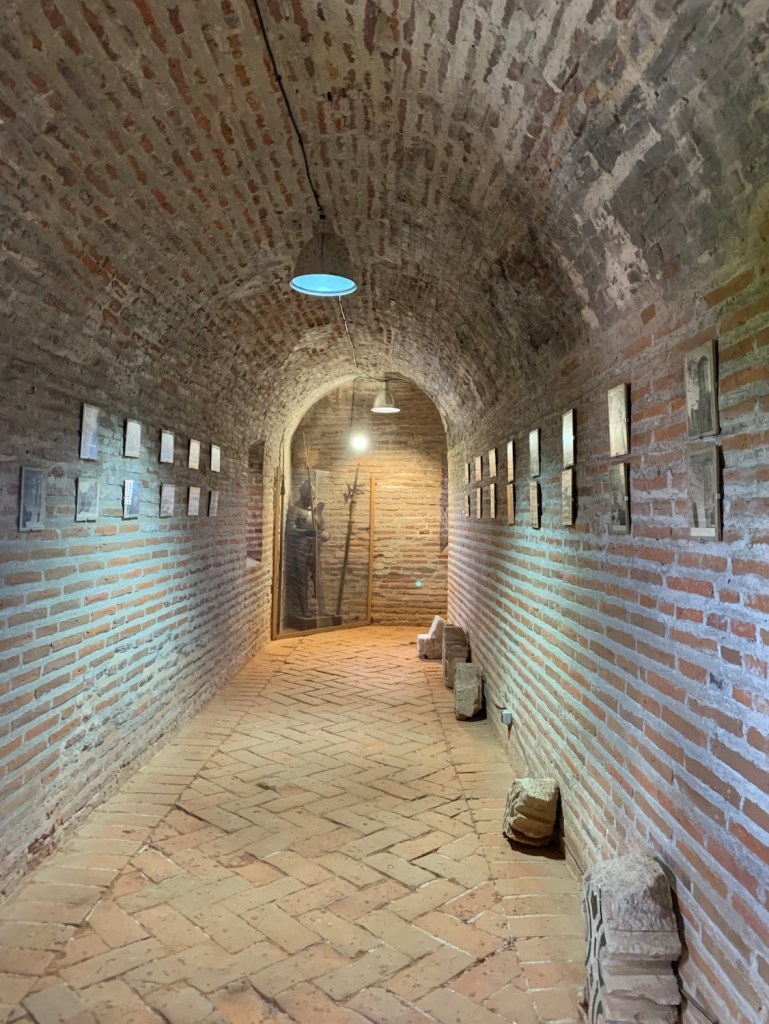
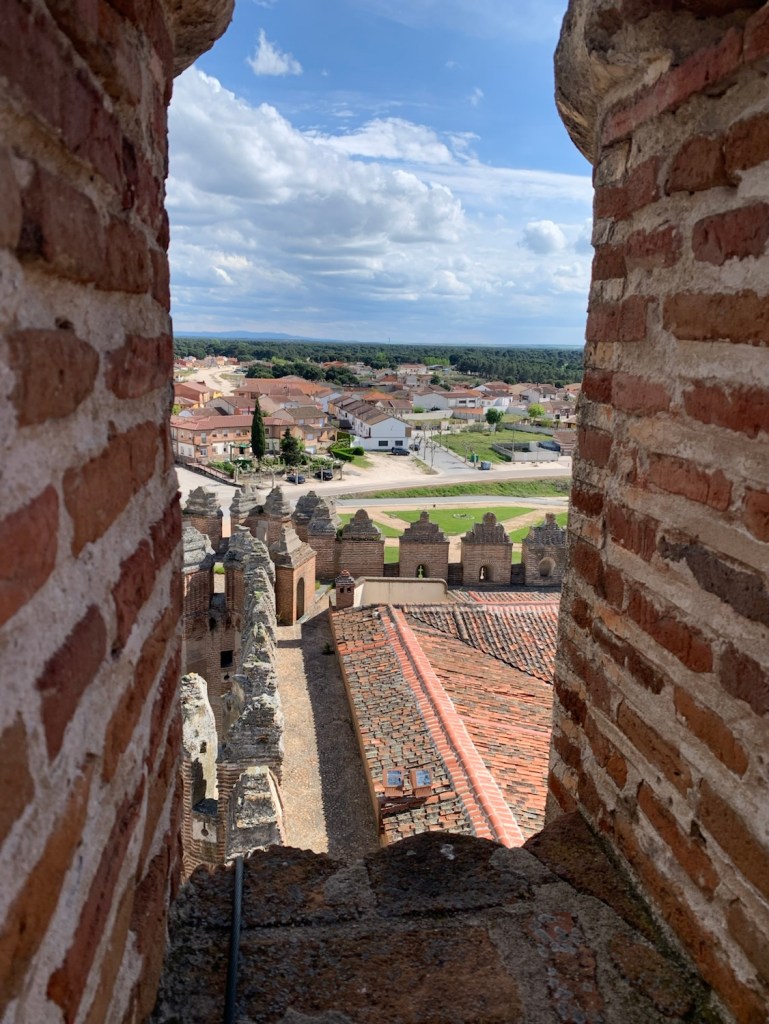
As we rode into Coca an imposing castle came into view as we rounded the corner.
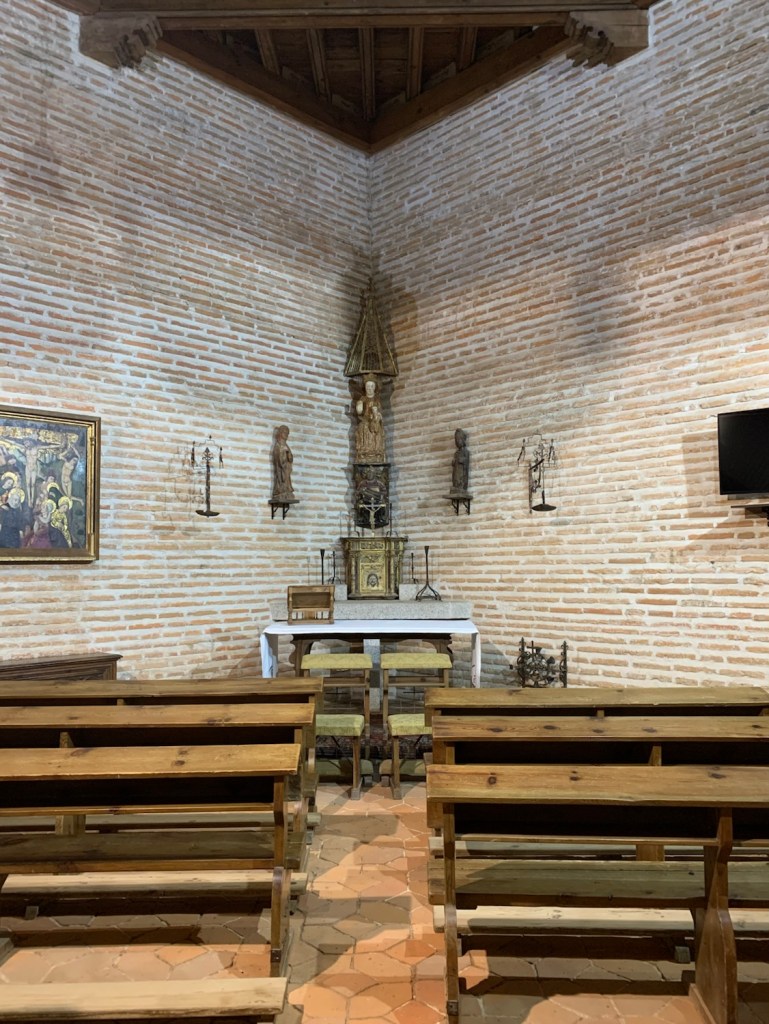
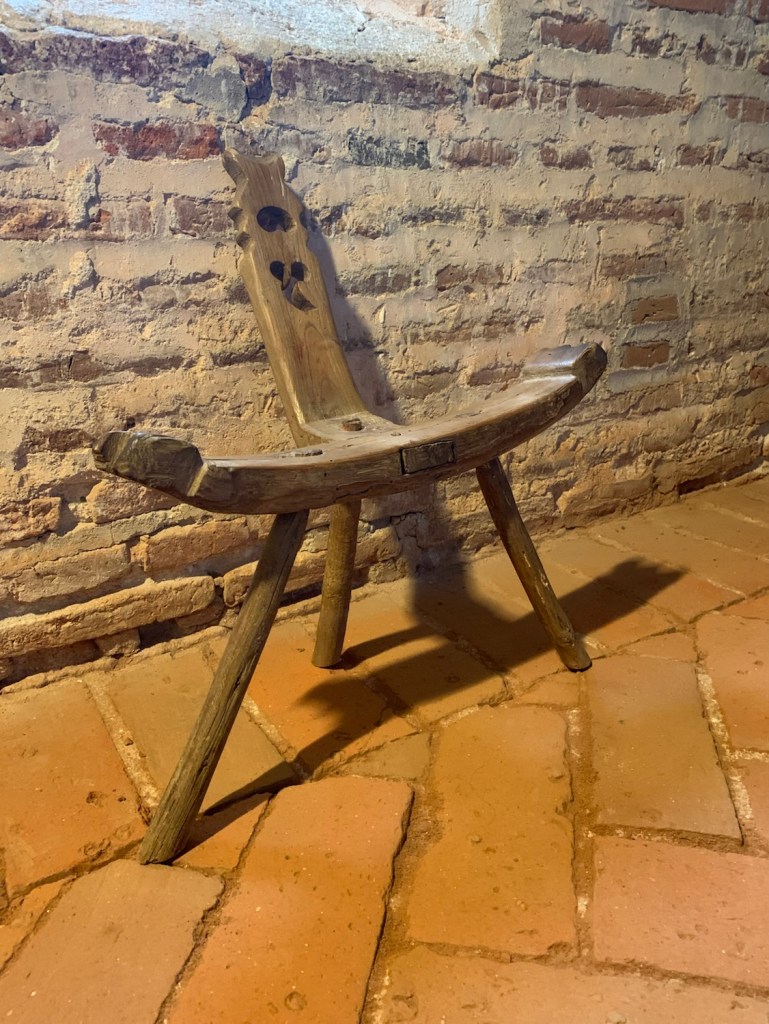
Although we could walk around inside the walls while it was closed, we were keen to have a look inside the castle.
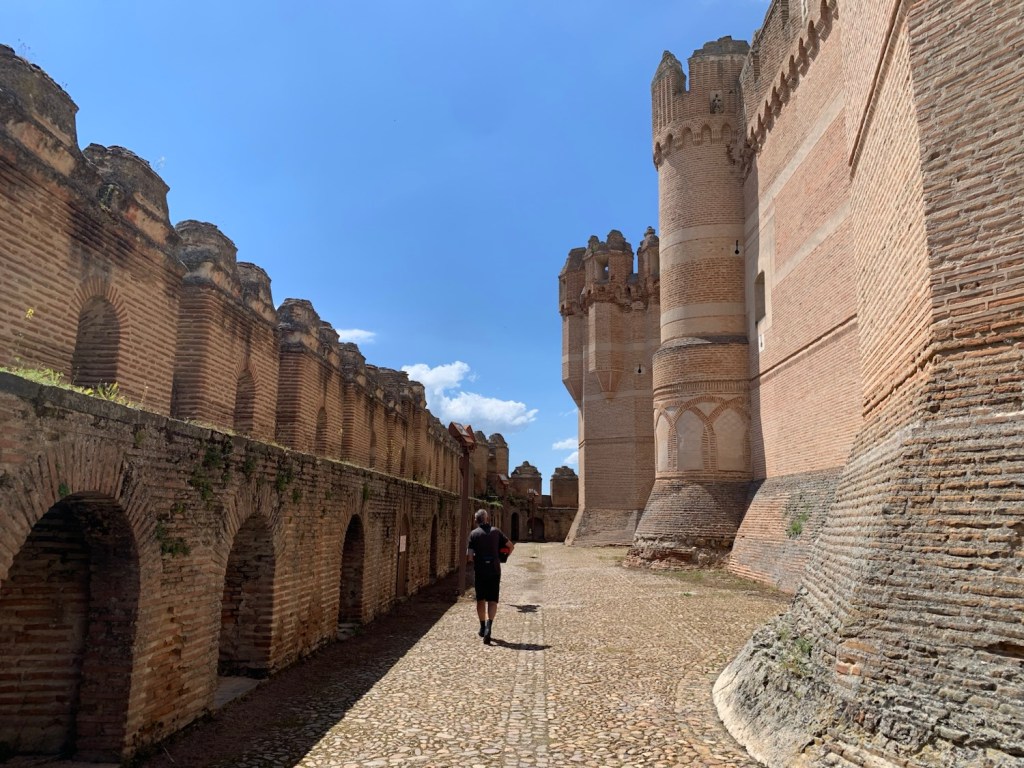
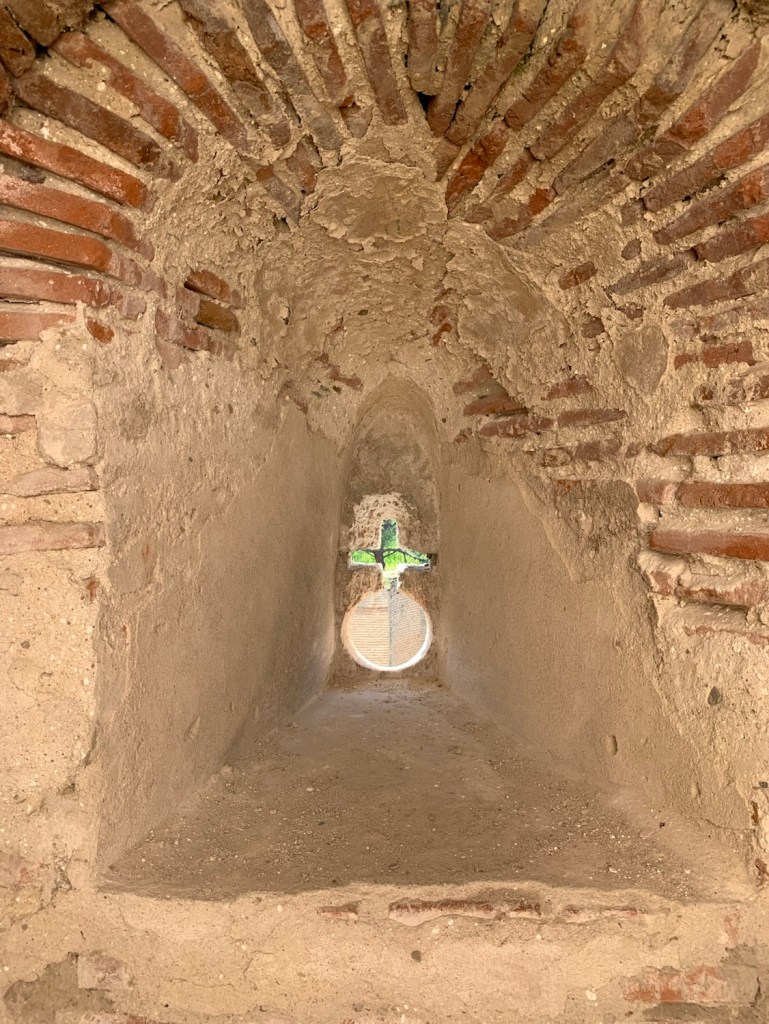
We meandered through town while waiting for the afternoon opening.
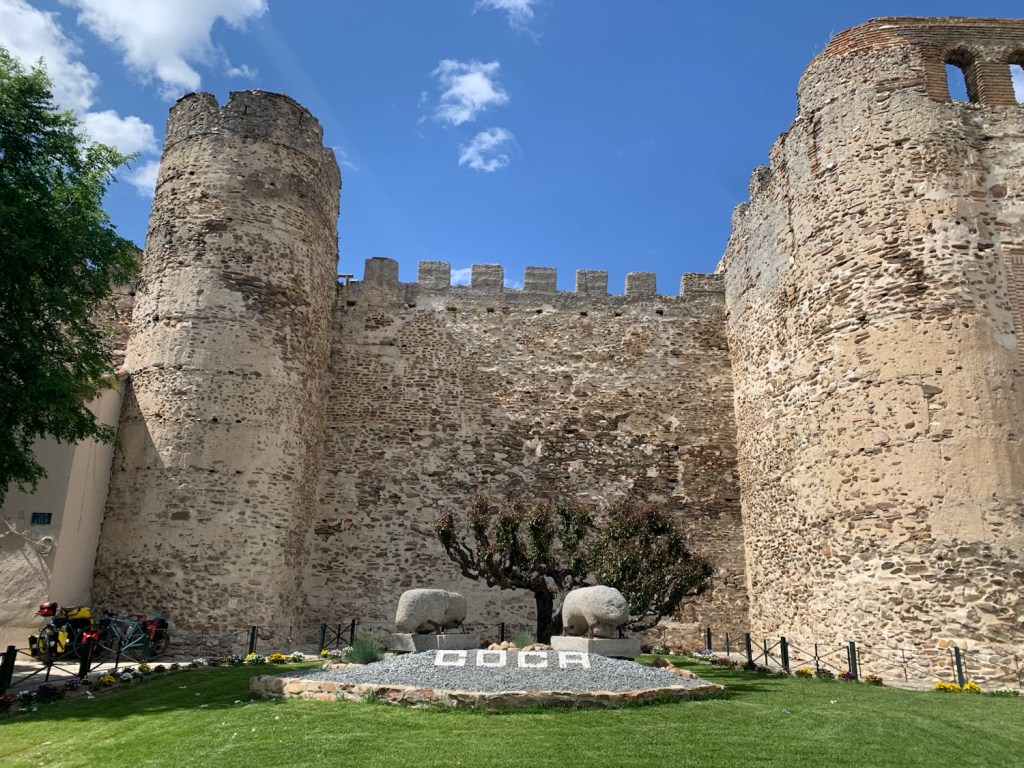
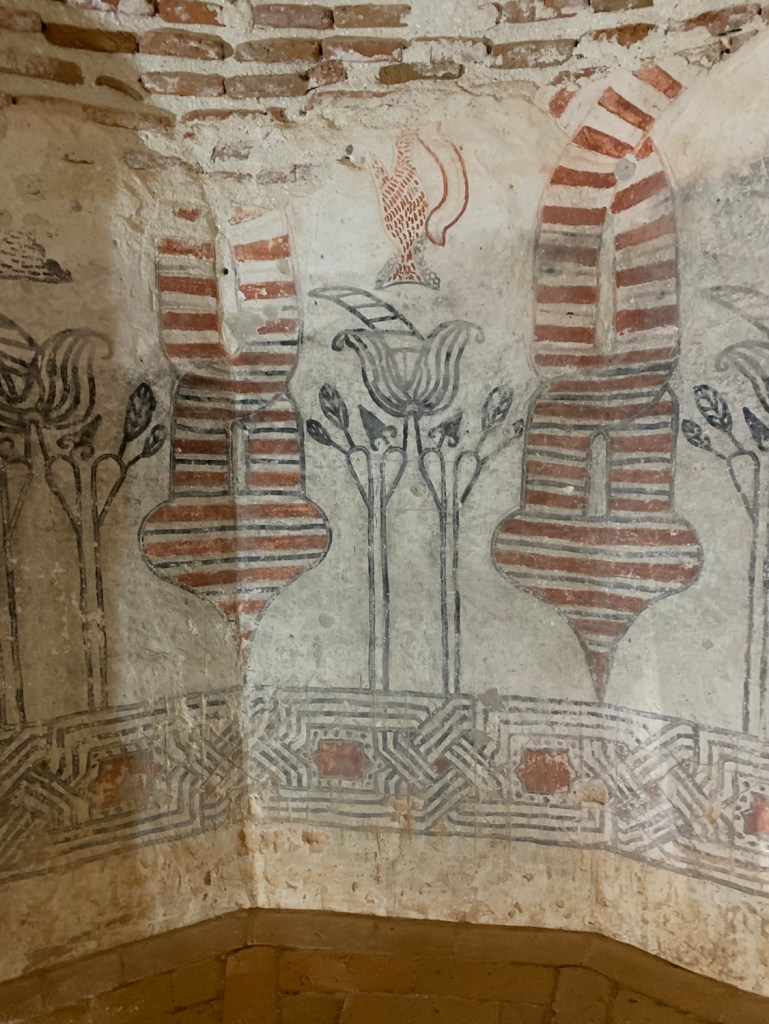
The castle, built in the 15th century, is one of the finest examples of Spanish Mudejar brickwork, incorporating Moorish design and Gothic architecture.

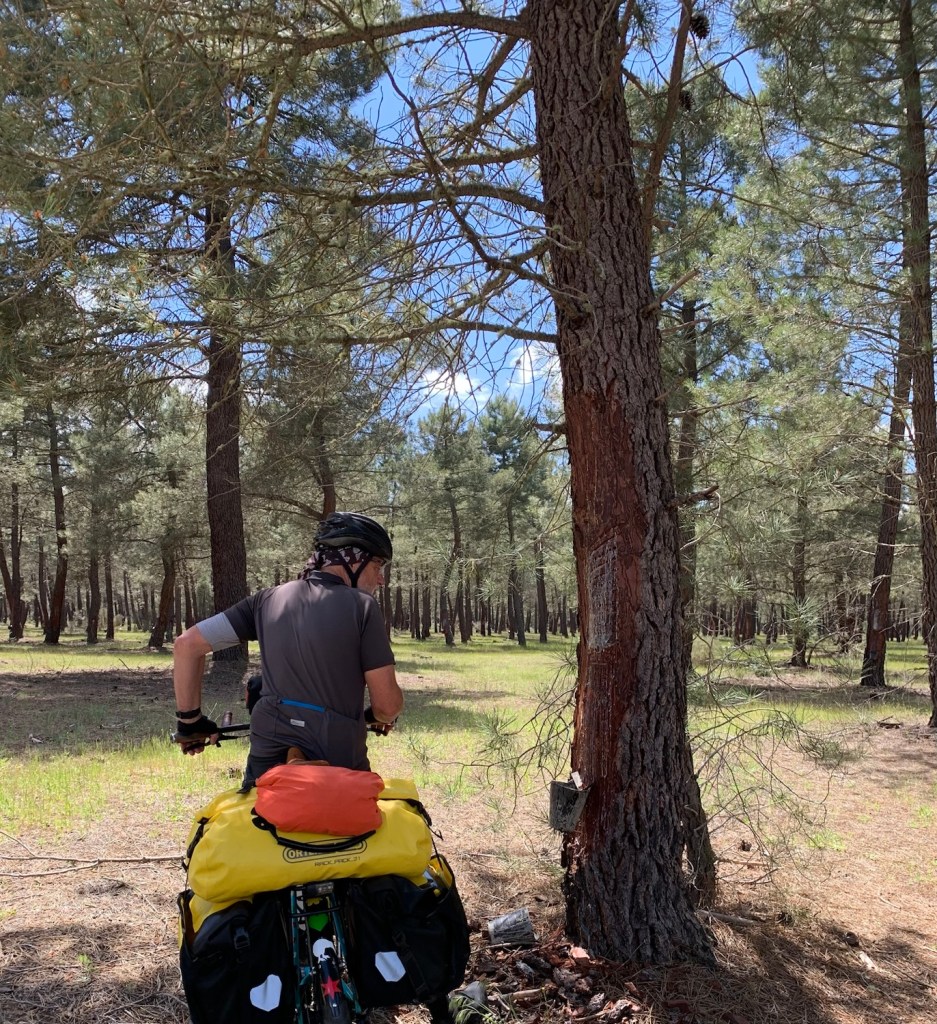
Tonight’s wild camping spot was about 5km from Coca. This time there was a person amongst the trees who Greg approached and despite the language barrier, he understood that the ok to camp here.
The pine trees that we camped amongst, that that this person was checking, were having resin extracted from them into little buckets.
The resin is used to make rosin for stringed instrument bows – poignant for Greg who grew up with parents who were violinist and viola players – amazing to think that the cakes of rosin they used on their bows came from plantations of pines such as the ones we were camping in.
And I can reliably report… that what rain does fall in Spain was few and far between on these plains.
Biked: 199 kms (Total 660 kms)
 JG on balance
What a great adventure you are on. Lovely to see your photos. Much love Maggie
LikeLike