
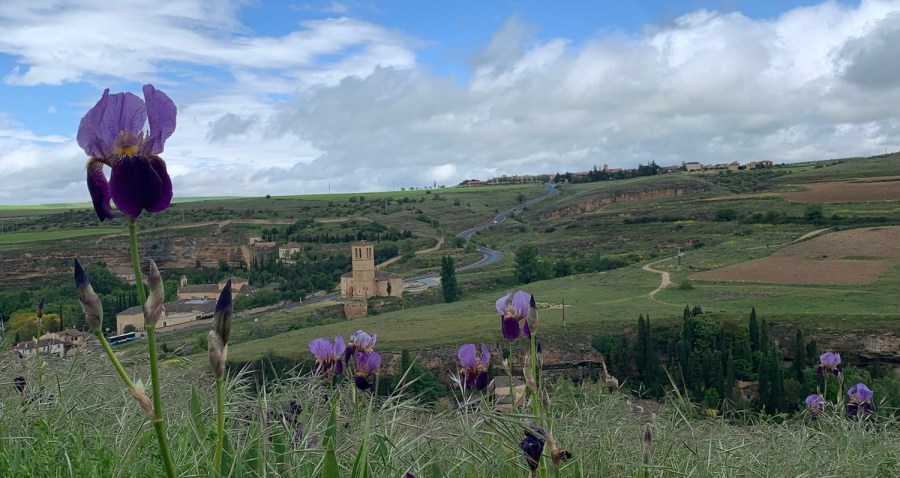
With another night of wild camping planned, we set off, passing through some lovely villages.
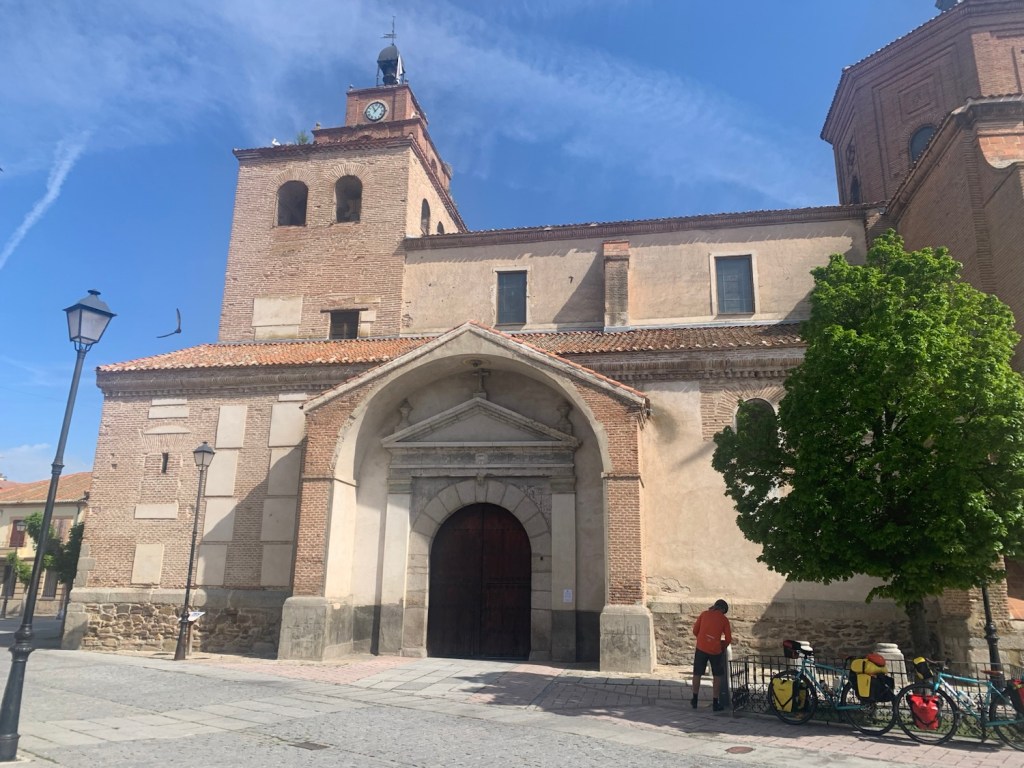
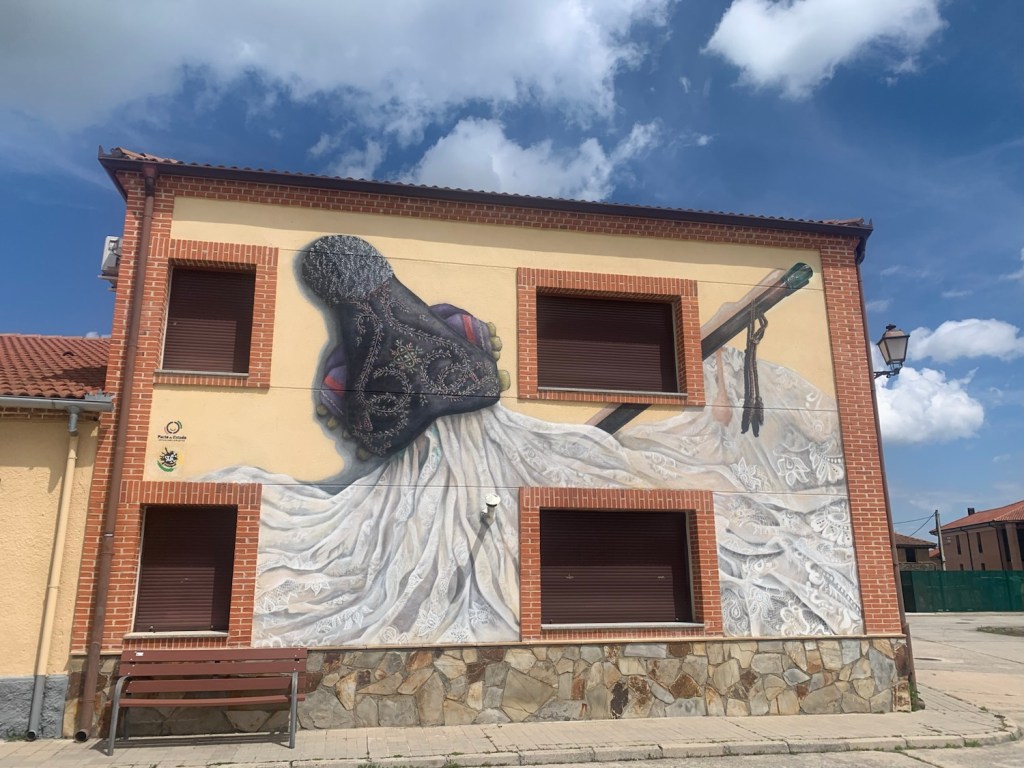

Stopping at Real de la Nieva to have a look inside the Monasterio de Santa Maria la Real de Nieva.

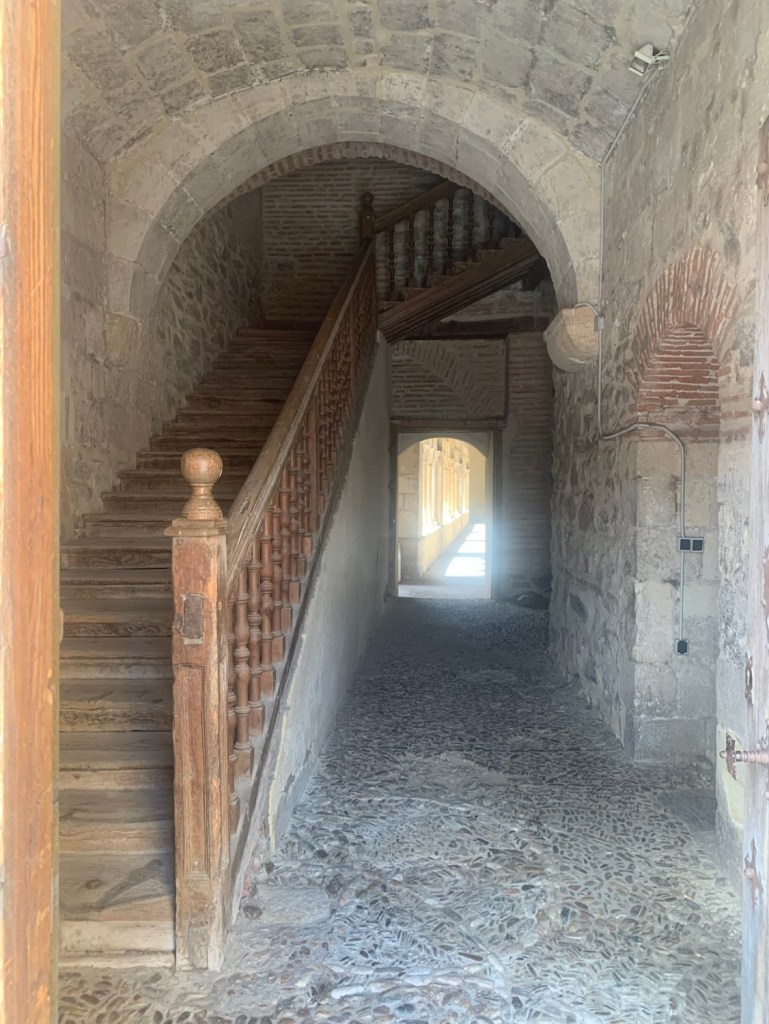

With the rain threatening we abandoned our wild camping plans and pressed on to Segovia.
Even though the wind had picked up making the headwind even stronger, we managed to dodge the rain and were glad to arrive at the Segovia campground around 5pm.
The office was closed until 6pm giving us time to have a look around and finding the ground sodden we decided on a cabin.
None of the cabins were clean and ready but they would sort one for us. Around 8pm we were able to unload and settle in. It was a long day.
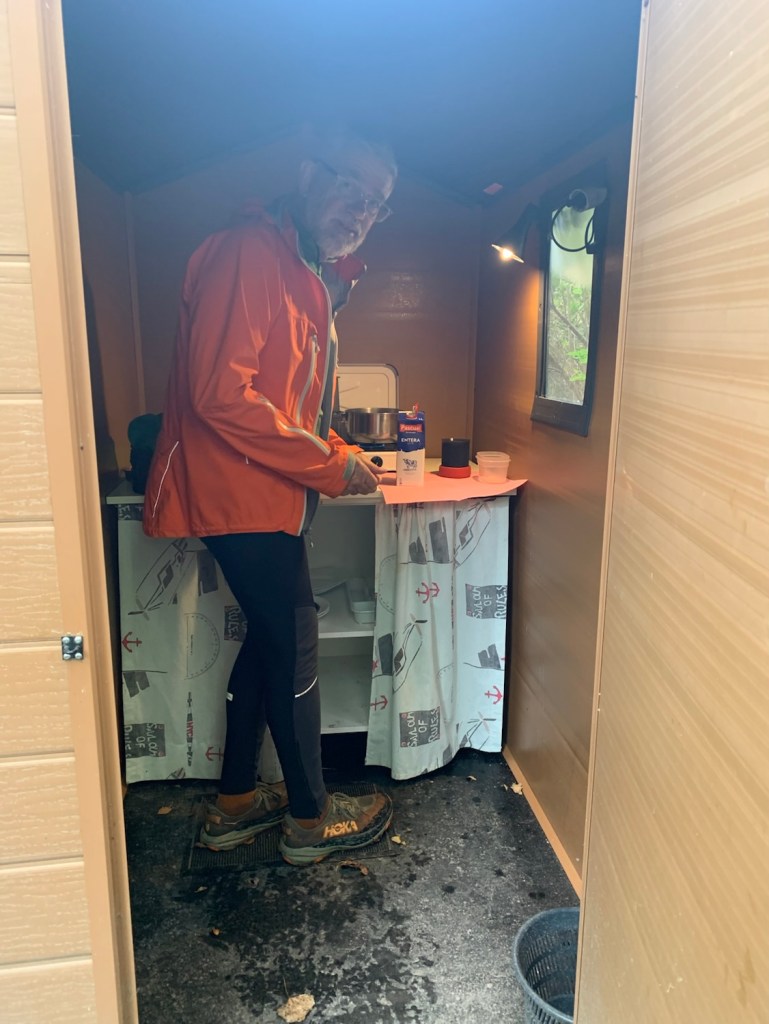
The cabin was basic, with a plastic shed outback for a kitchen, and very expensive for what it was, €54/night. And given it was quite a way from Segovia town we made a move into town the next morning.

André couldn’t have been more welcoming on our arrival in town. A Chilean who had spent 3 years in New Zealand, including time in Christchurch during the earthquake rebuild. He was a delight to chat with and was the host extraordinaire.
André marked up a route to explore the city and restaurants to try. With map in hand we set off.
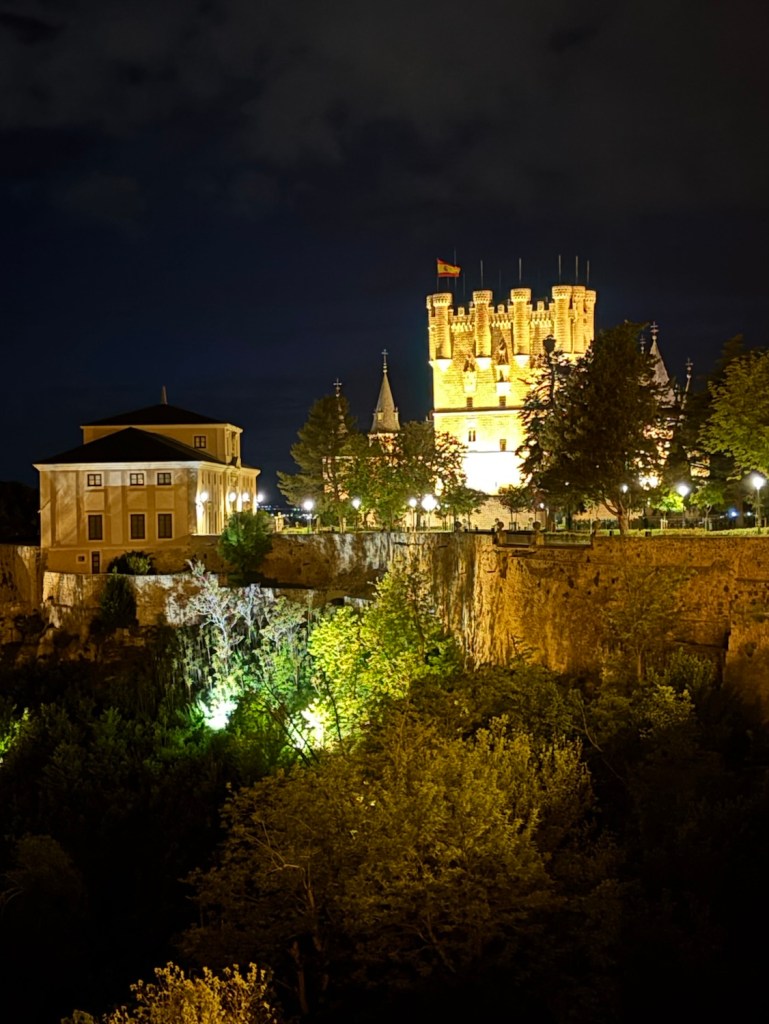
Our route took us around the outside walls of the city and as we wandered down the tree lined road, a castle came in to view.
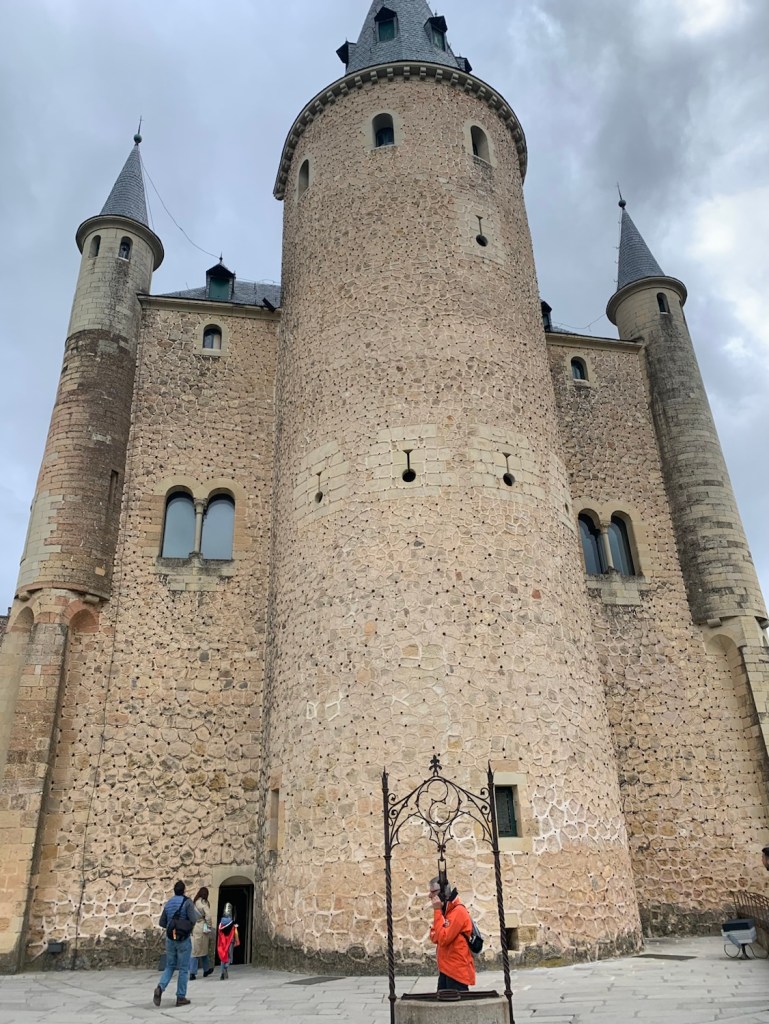
Not just an ordinary looking medieval castle but a fairytale one!
I knew Segovia was famous for its aqueduct but I had no idea about its castle.

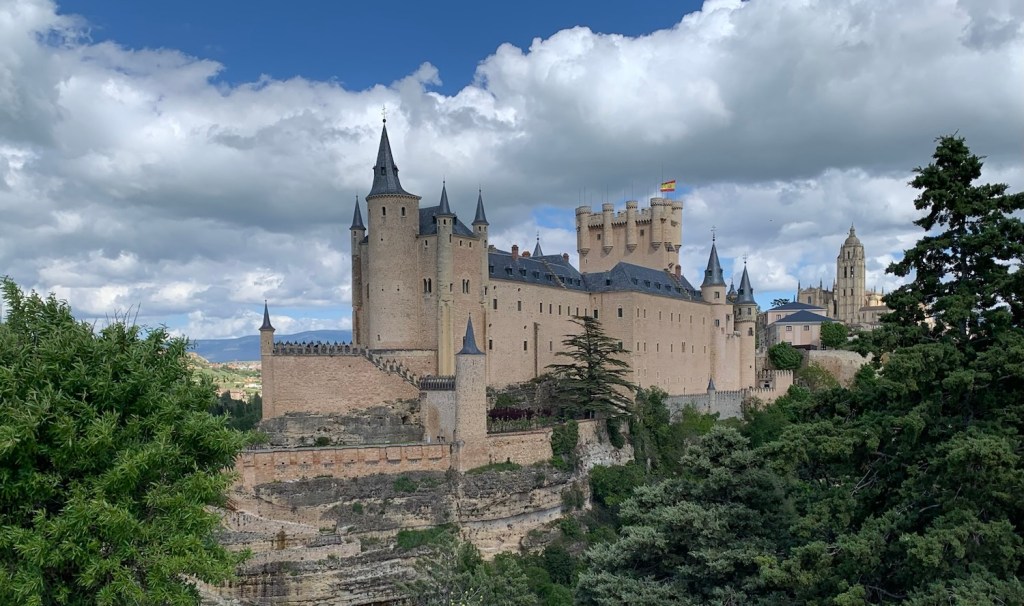
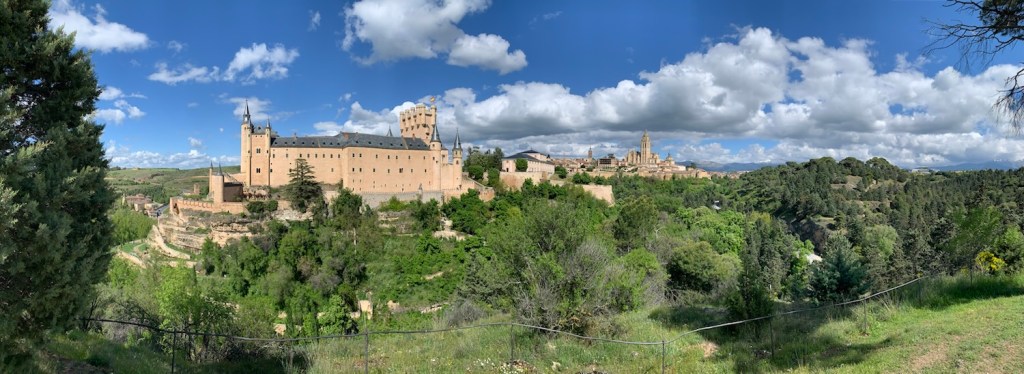
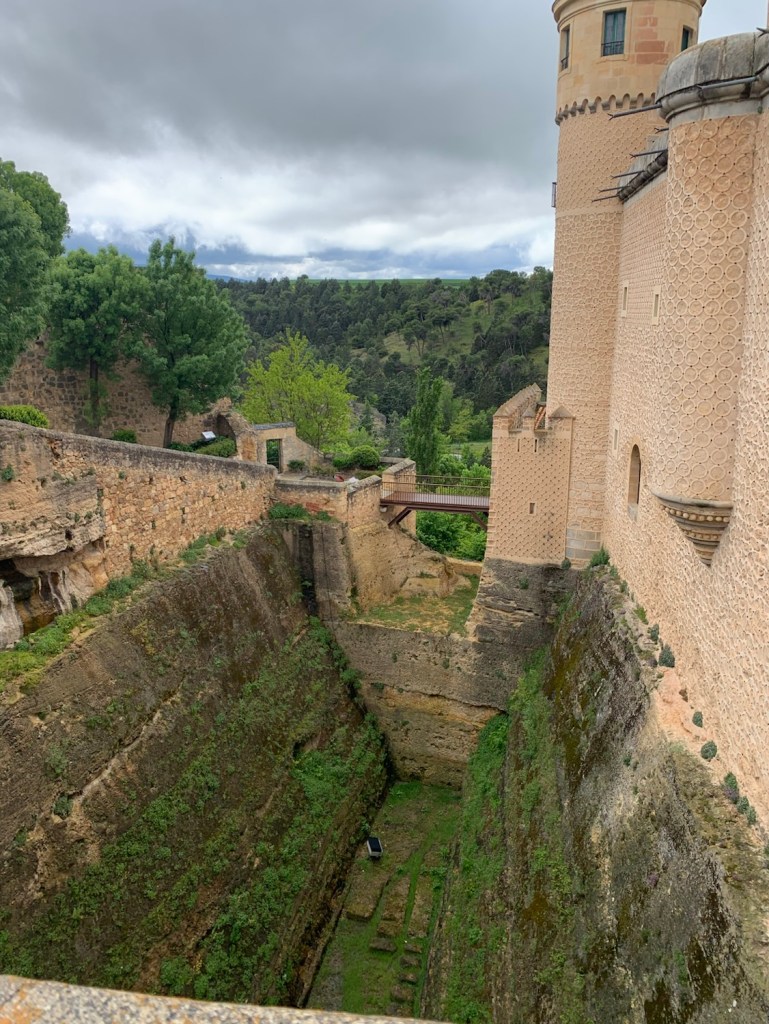
The 12th century medieval castle is built on top of a ridge, with steep escarpments making its grandeur even more impressive.
It is said that this is the castle that inspired Walt Disney in his design for Snow White’s castle. It certainly brought back memories of the castle logo featured in the Walt Disney programme on Sunday evening as a child.
The design and skill to bring such an imposing structure to life seems incredible. Not sure it would get planning permission today!
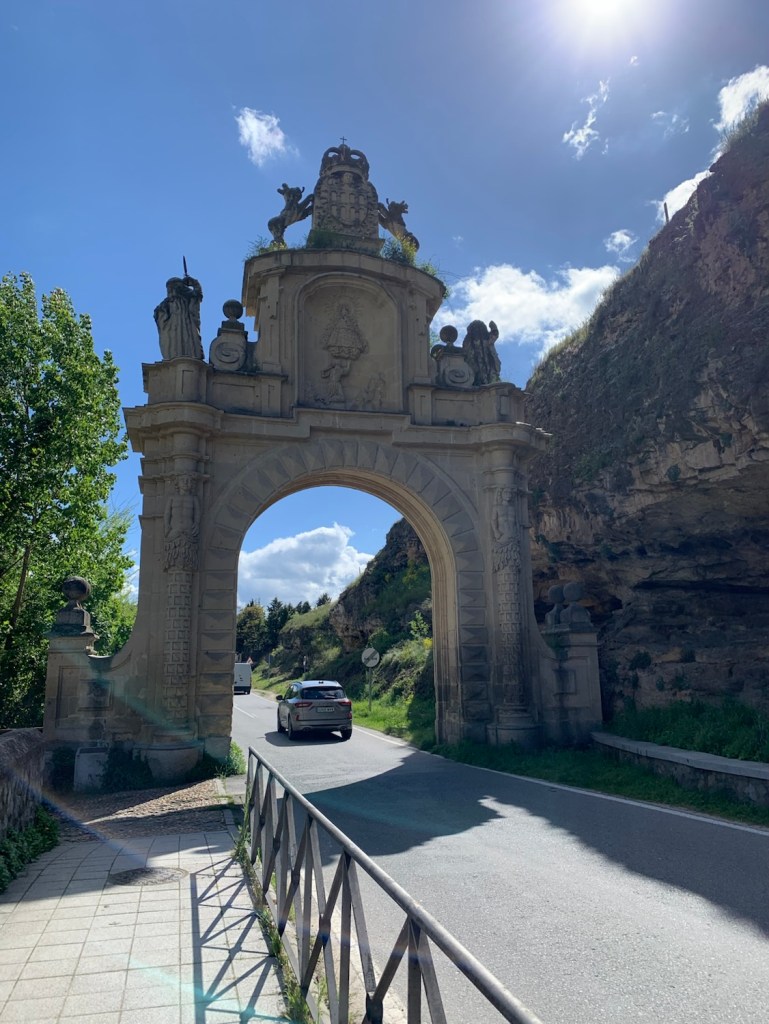
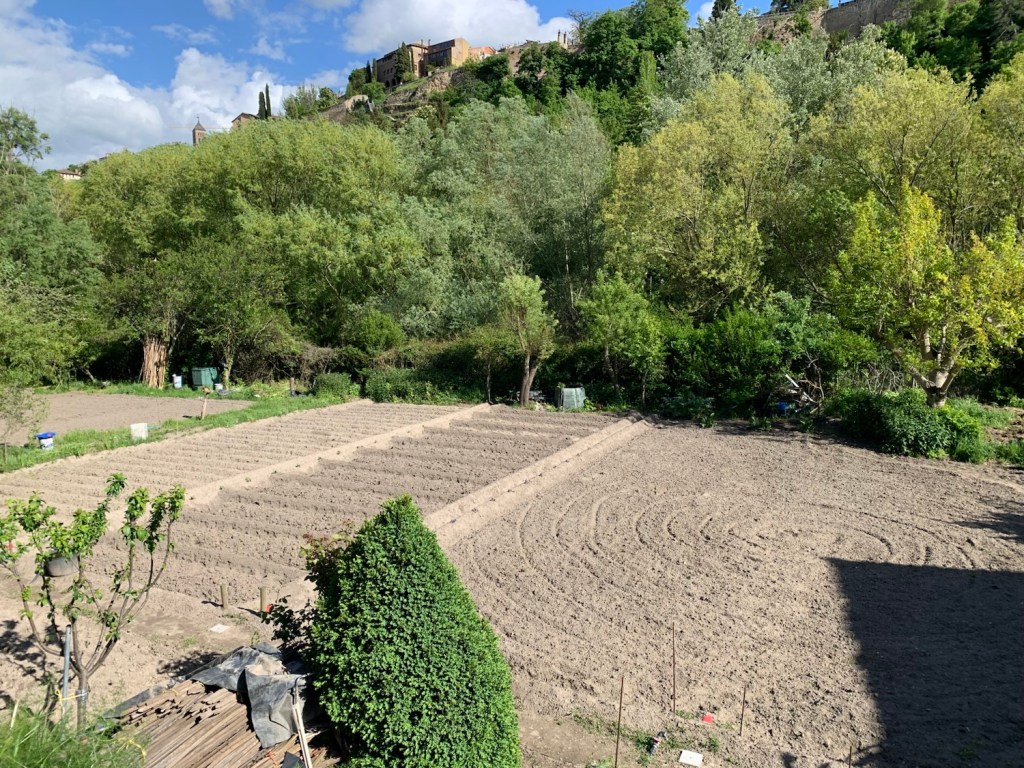
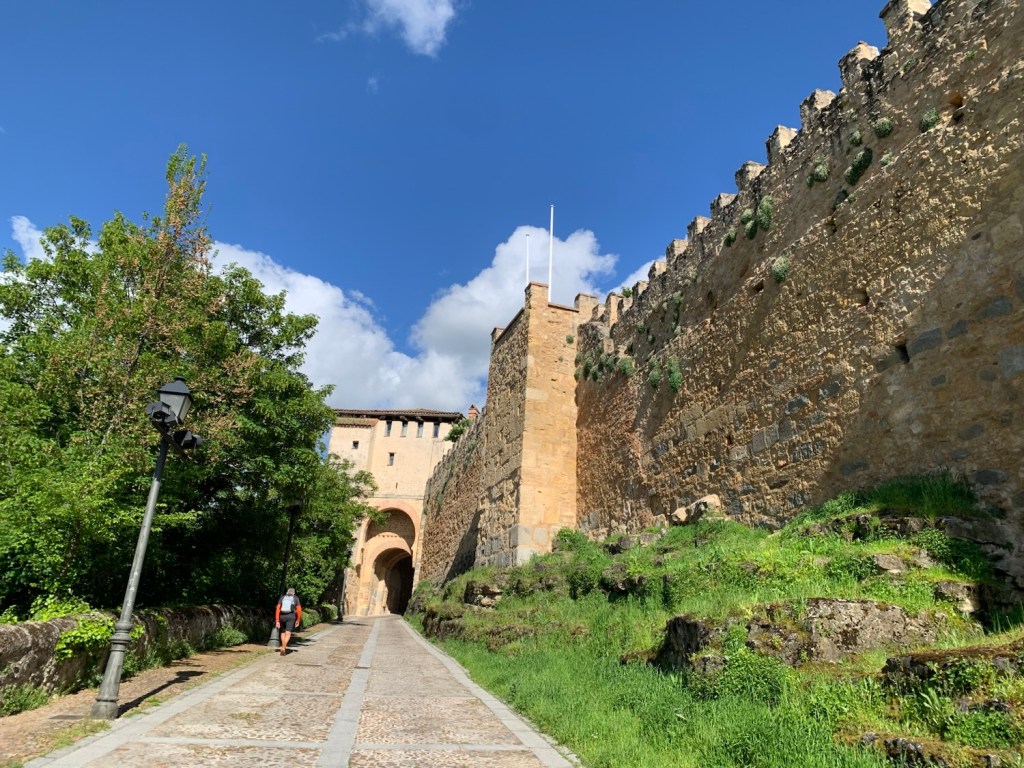
Following our guided map, we saw city gates, an impressive personal garden (that we passed a few times over the next days and marvelled at the gardeners work as he readied the land for planting and flood irrigation) and alongside city walls.

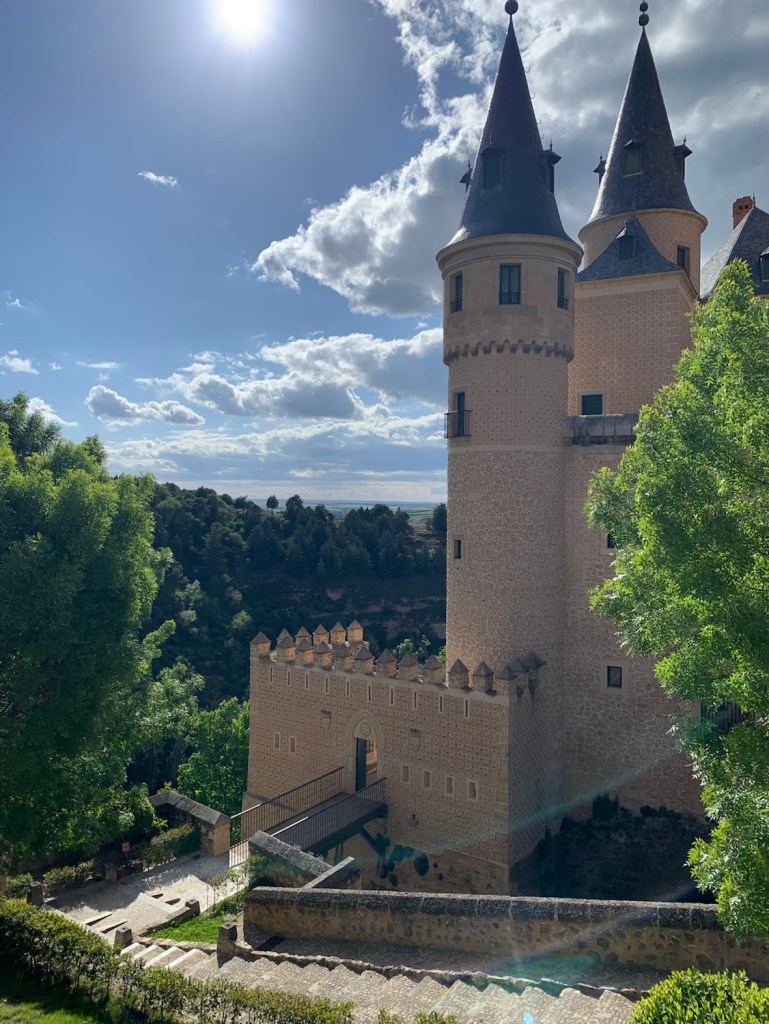
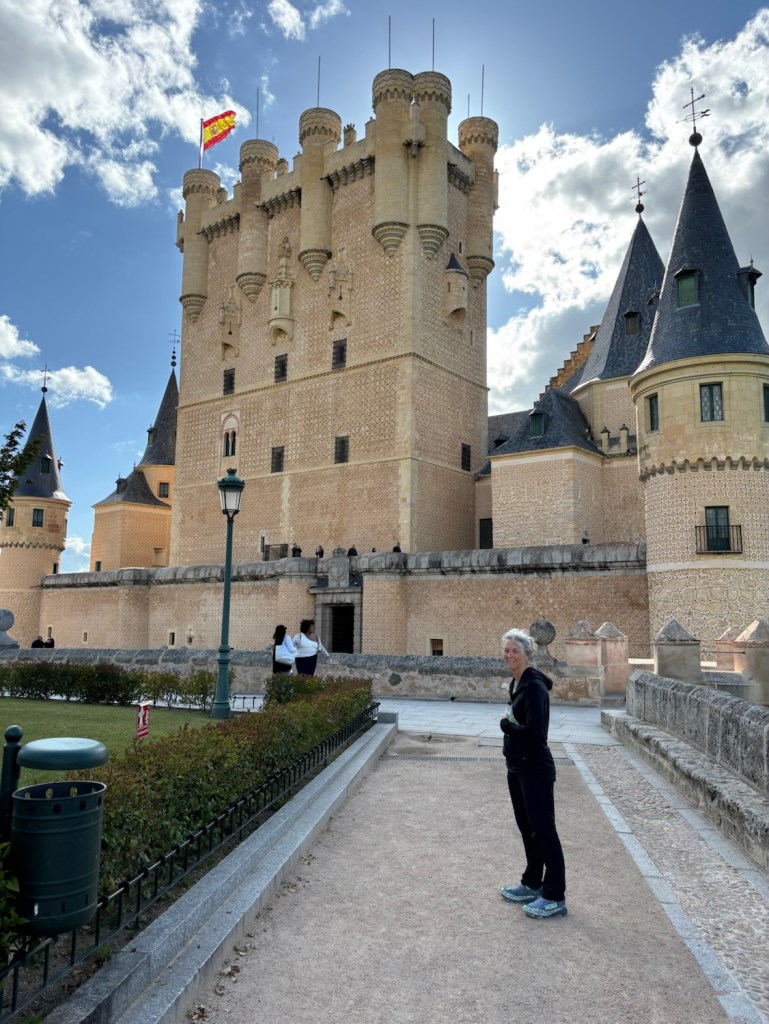
Although too late to visit the Alcázar today, the sheer wonder continued as we walked up closer enhanced by the afternoon sun.
The aqueduct was our next destination. It certainly delivered, very impressive!
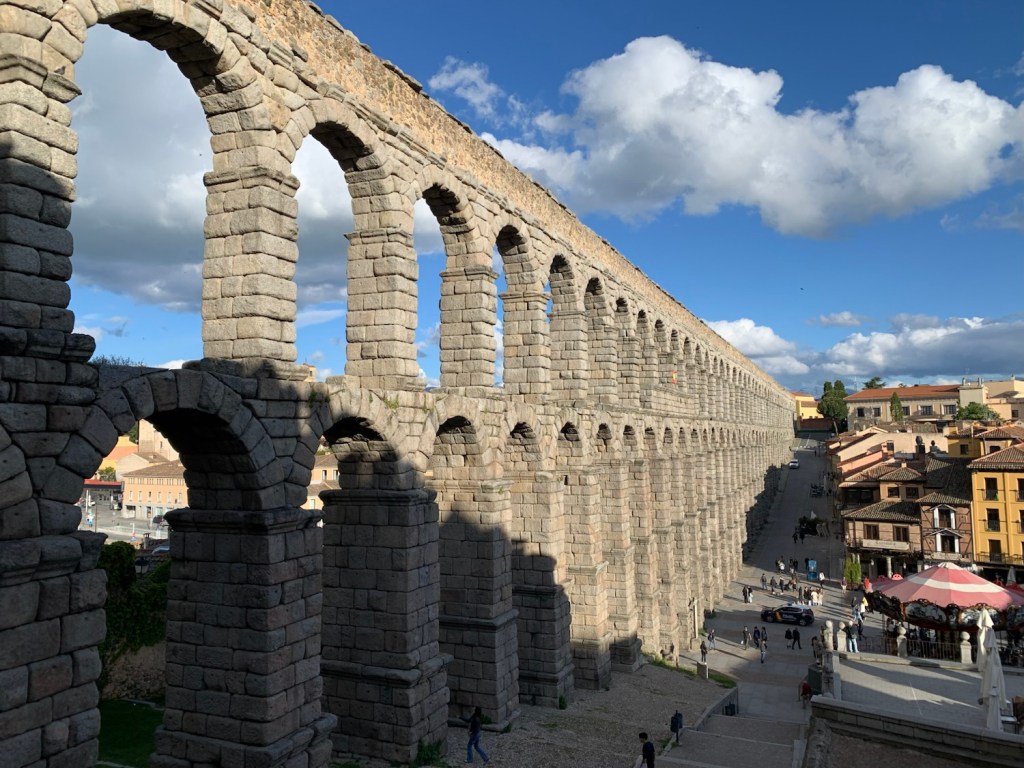
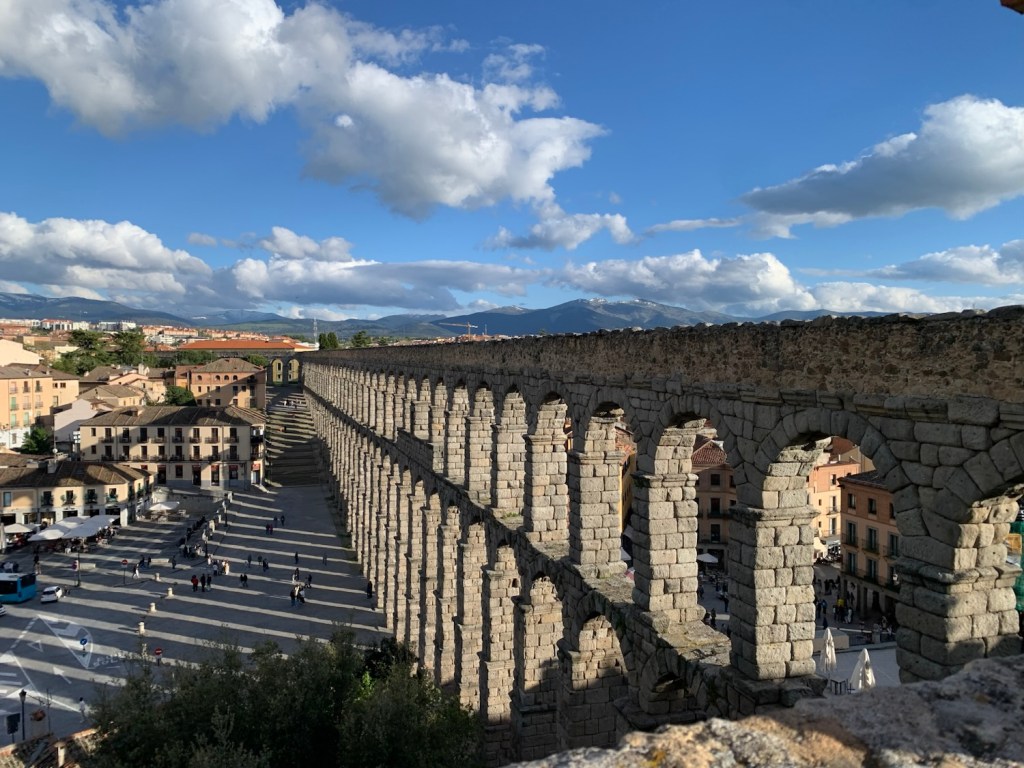
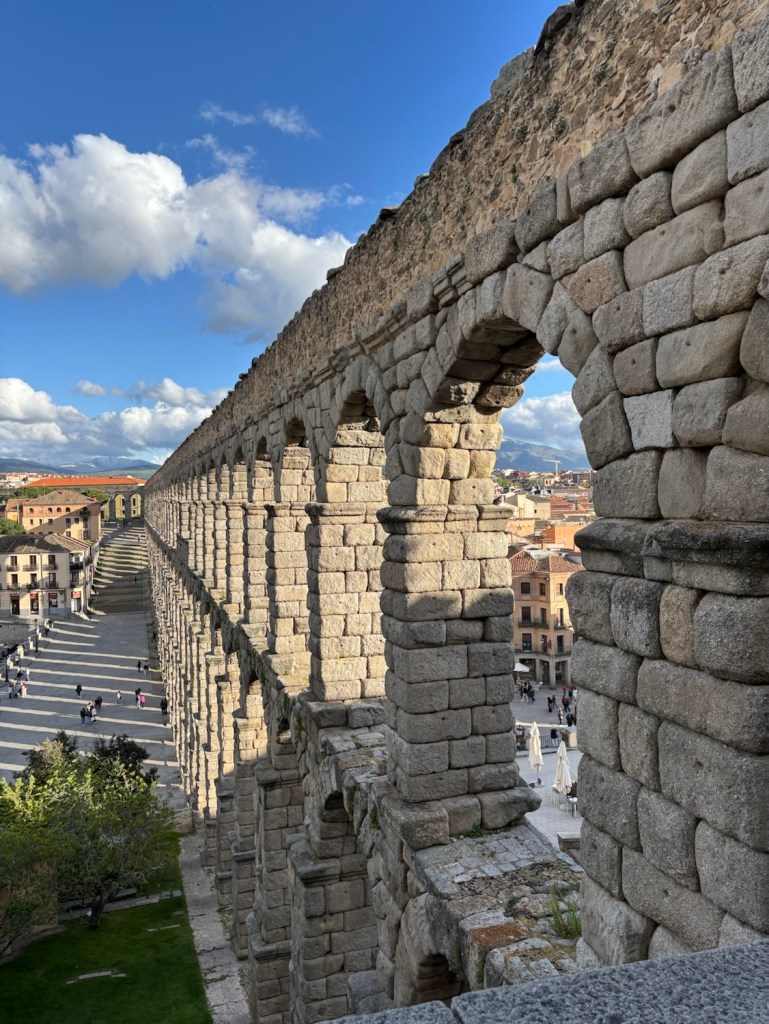
This masterpiece of Roman hydraulic engineering was built in the first century AD to channel water 17km from the Sierra de Guadarrama mountain springs to supply the fountains, public baths and private residences of Segovia. And was still in use until 1973.
The large unmortared brick like granite ashlars make up its 166 arches and is one of the best preserved Roman aqueducts today.

The water flows drops only 250m (0.015% or around half the thickness of a matchstick per metre!) over its 17km length. How did they work that out and get the structure so precise, given the bulky granite used to build with?
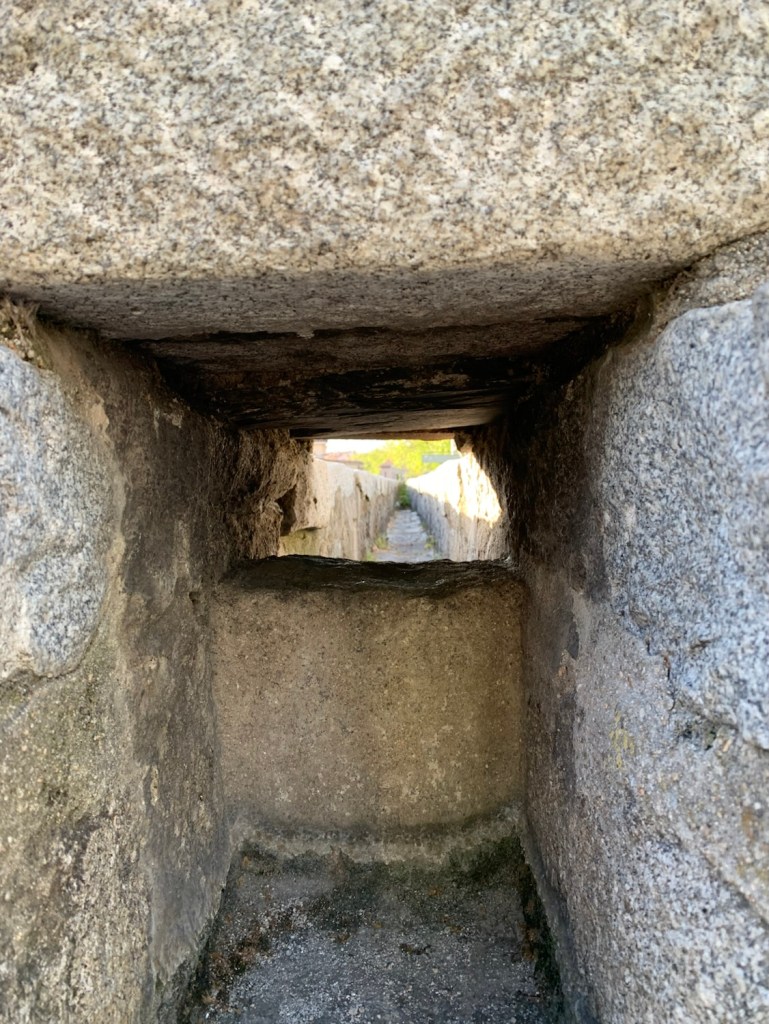
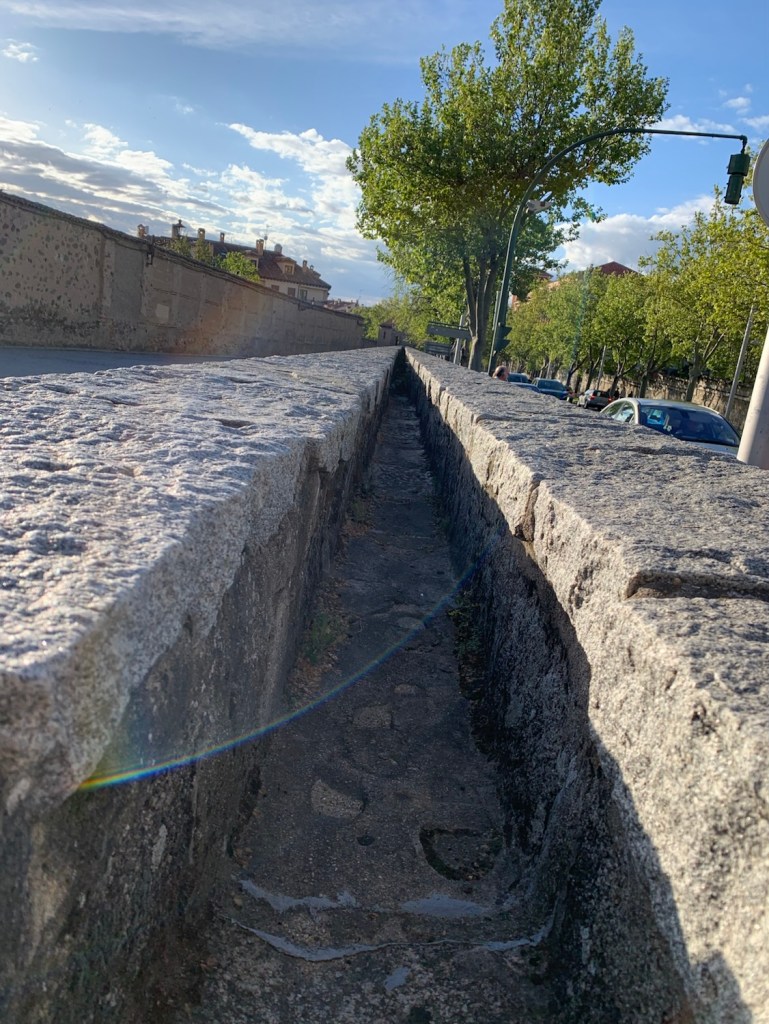
Walking to one end we could now see into the water channel that runs along the top of the structure.

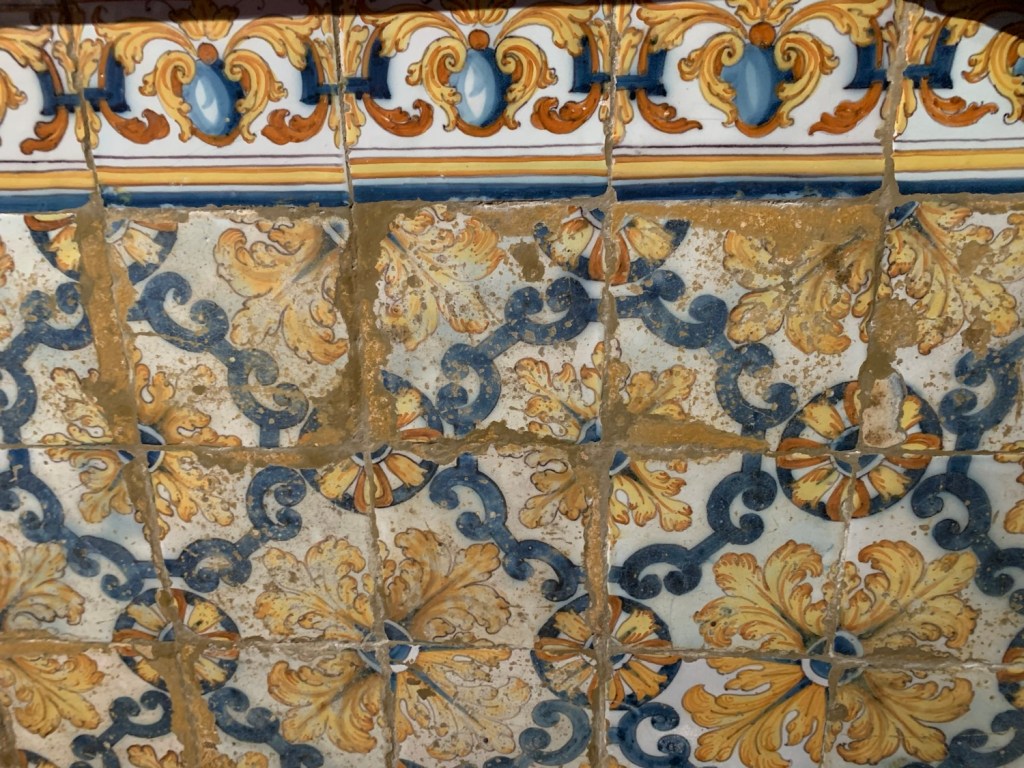
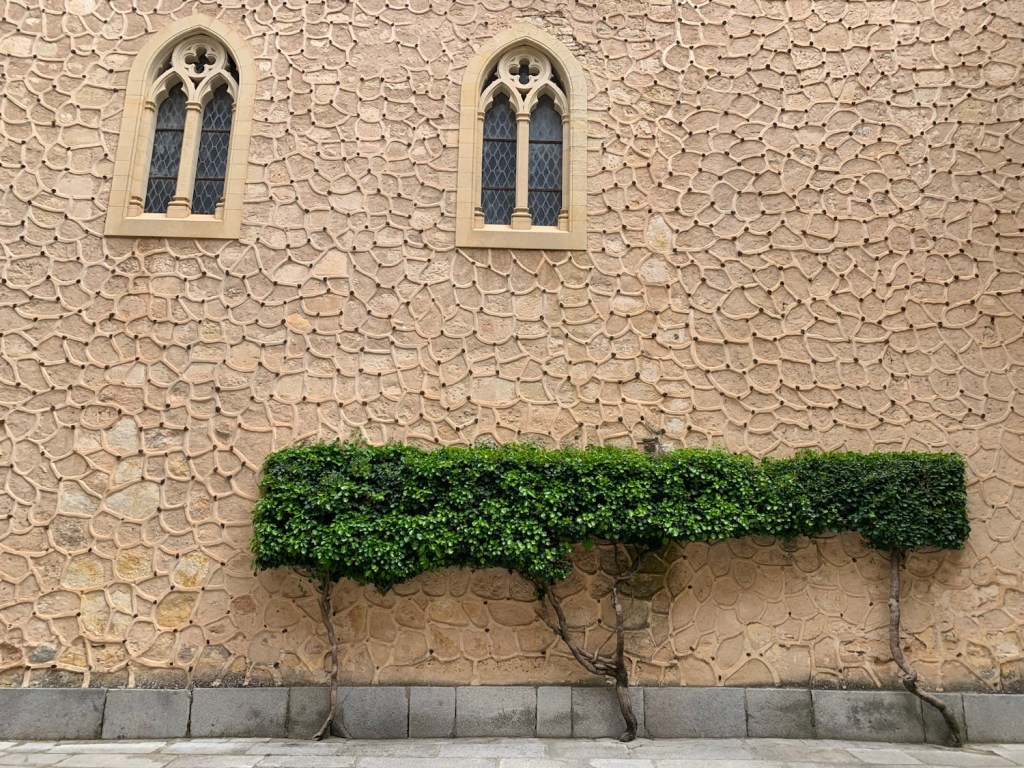
Some of the building facades were beautifully decorated. The decoration is Sgraffito, popular in the 15th and 16th centuries, and is produced by applying contrasting layers of plaster, and then scratching out to produce an outline drawing.
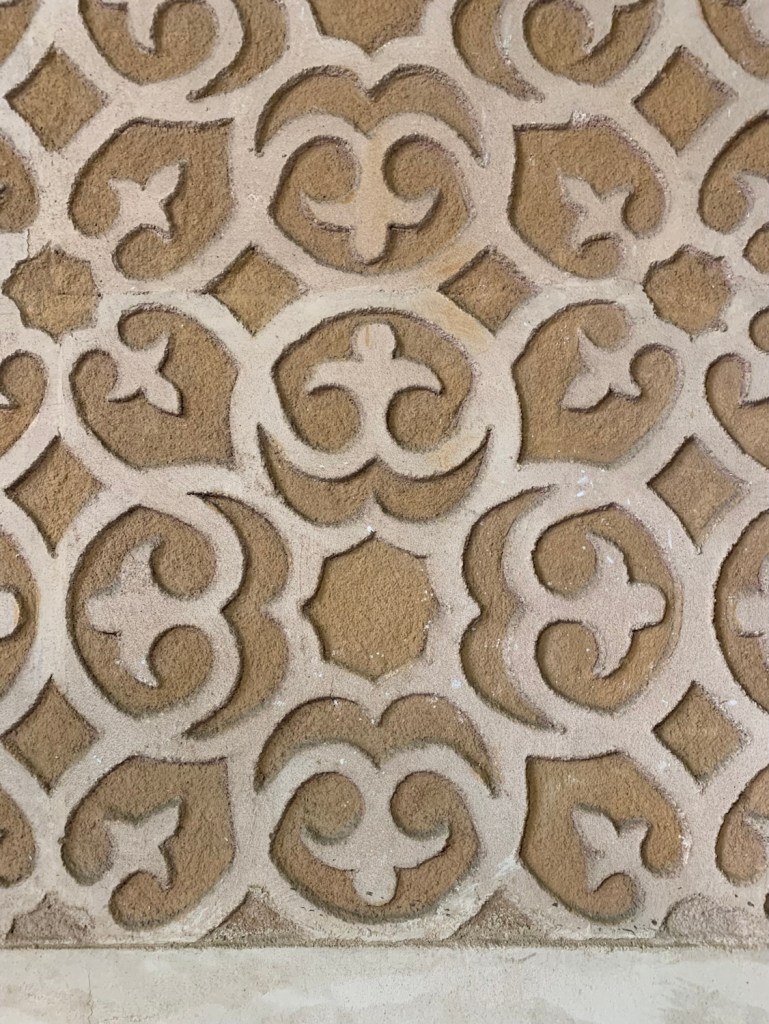
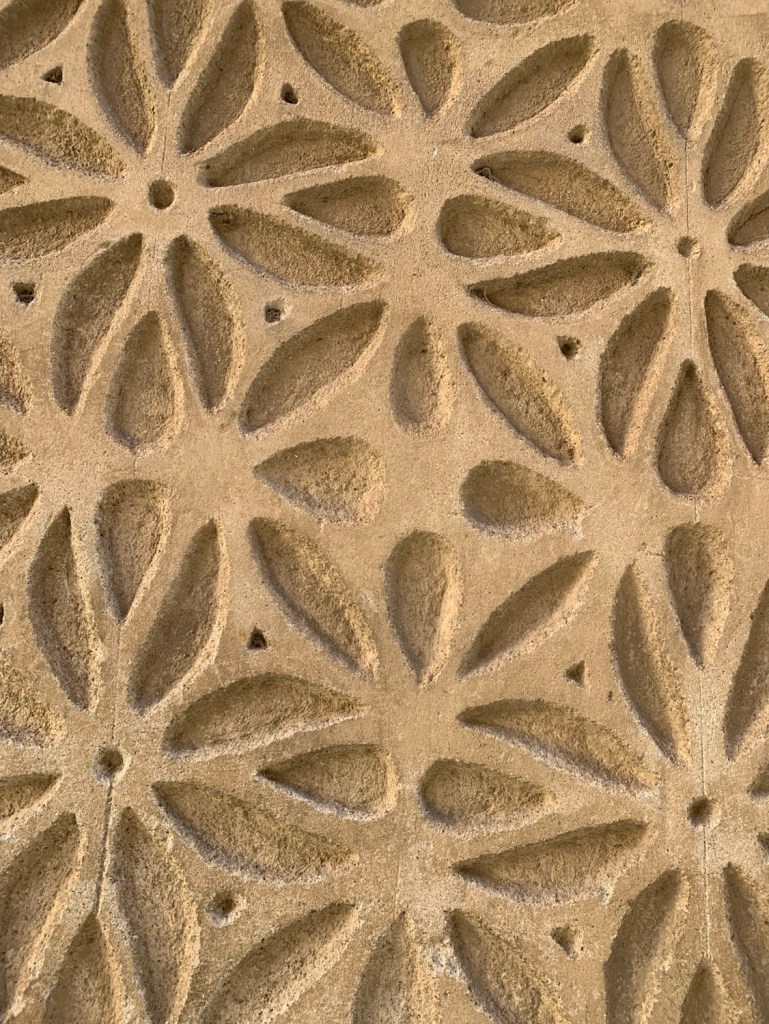
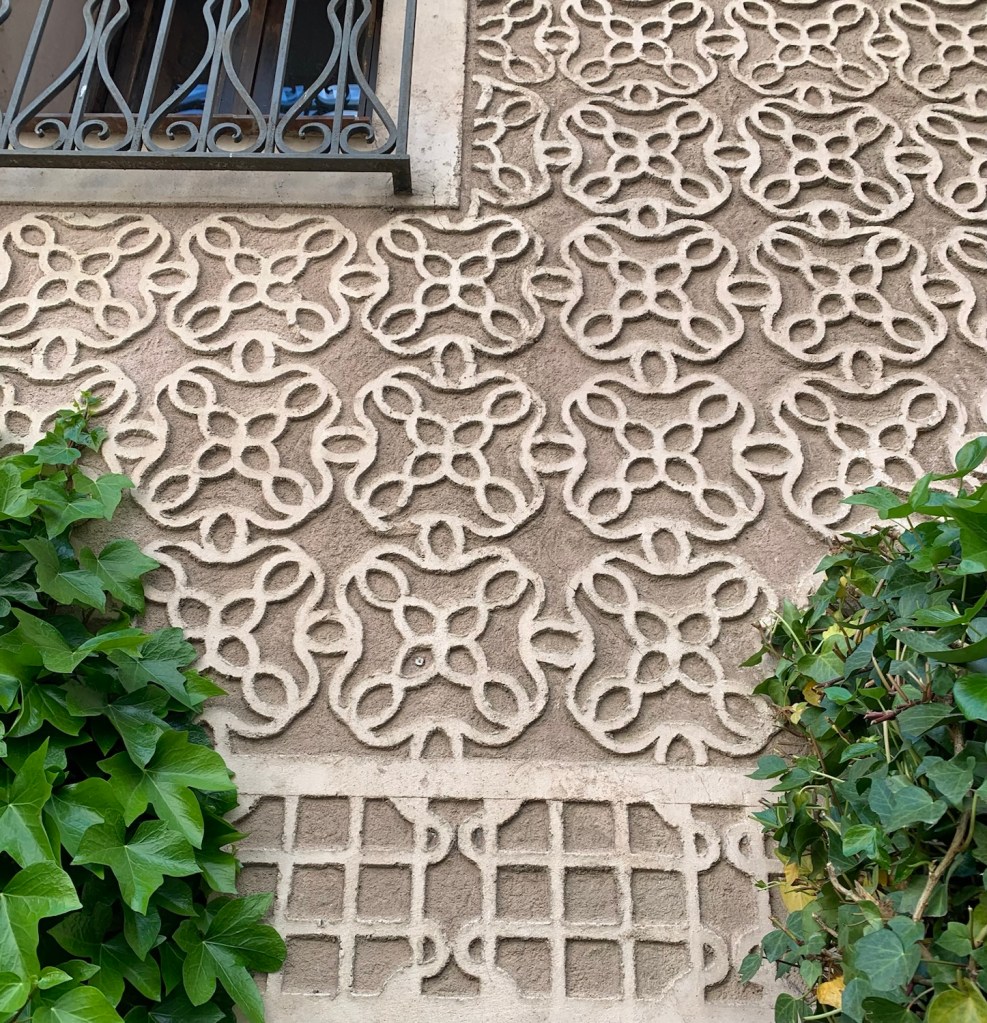
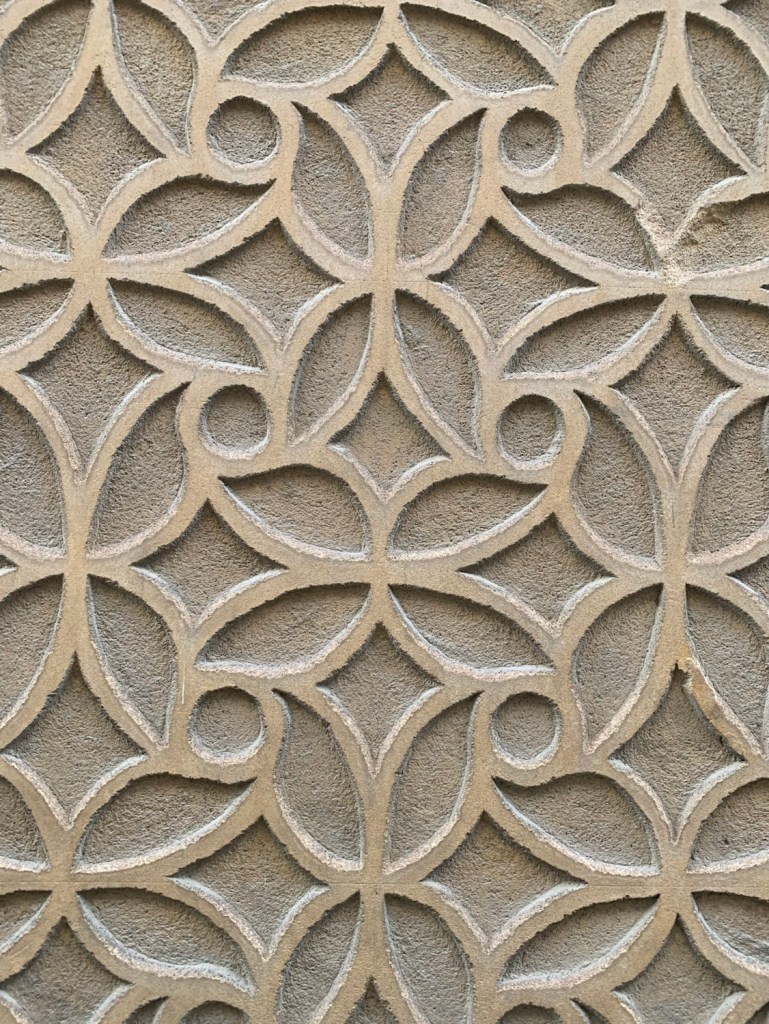
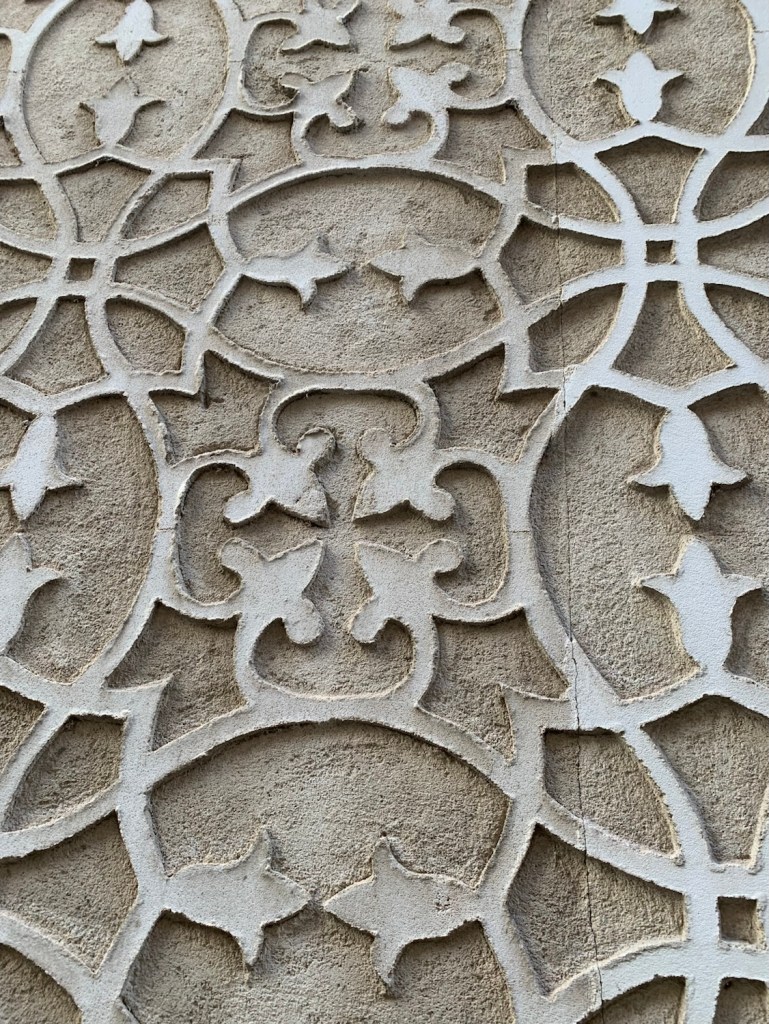
It is still being used today on new building and restorations.
The Alcázar, Segovia’s castle, started its life as a fortress and in 1412 extensive remodelling began during the regency of Catherine of Lancaster.
The castle played a important role in turbulent political years of the 15th century as well as playing an active part in the cultural life at the time.
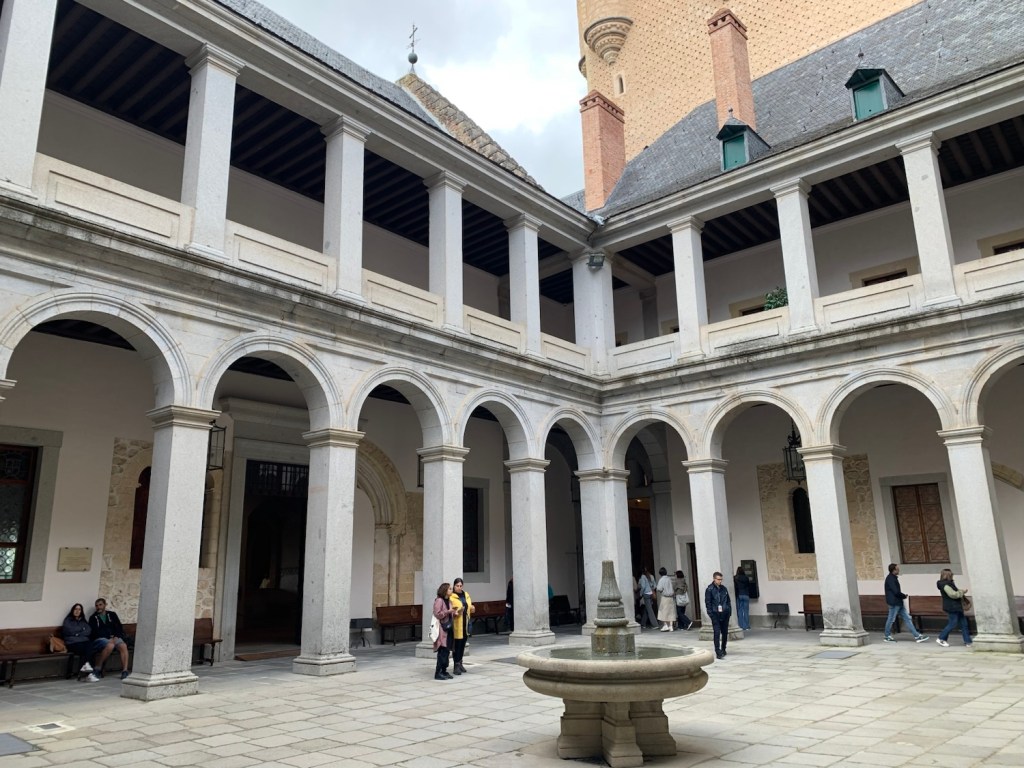
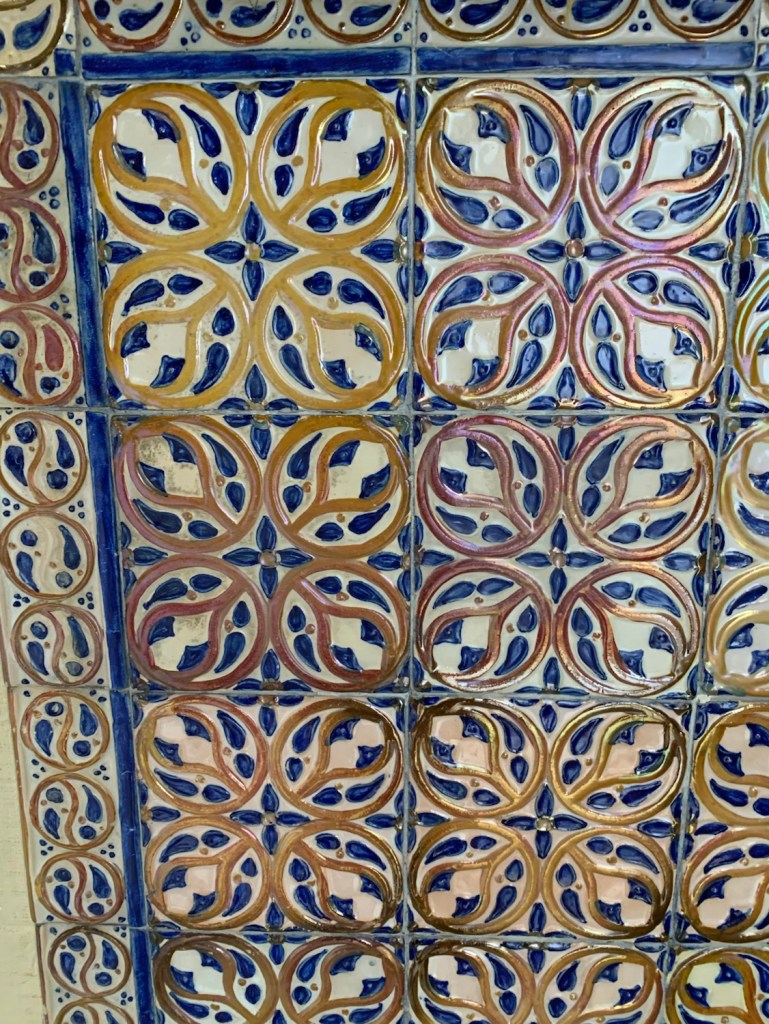
The opulence is plain to see with the highly decorated ceilings and stunning artworks.
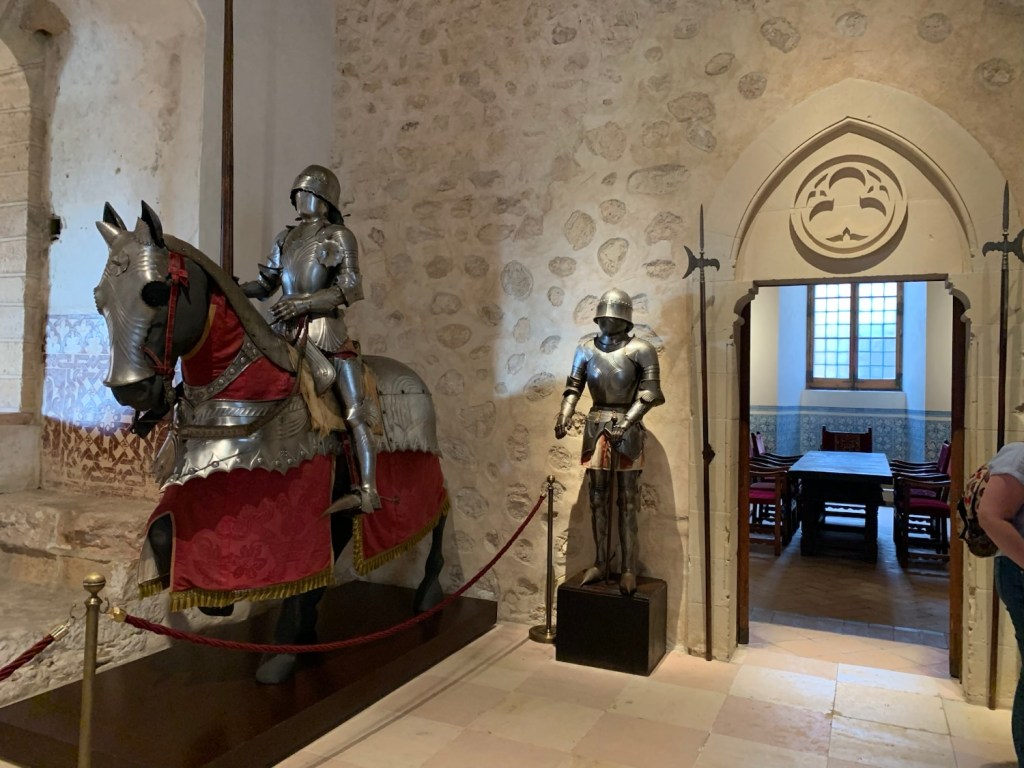
Many original features have been replaced with faithful reproductions during its restoration.

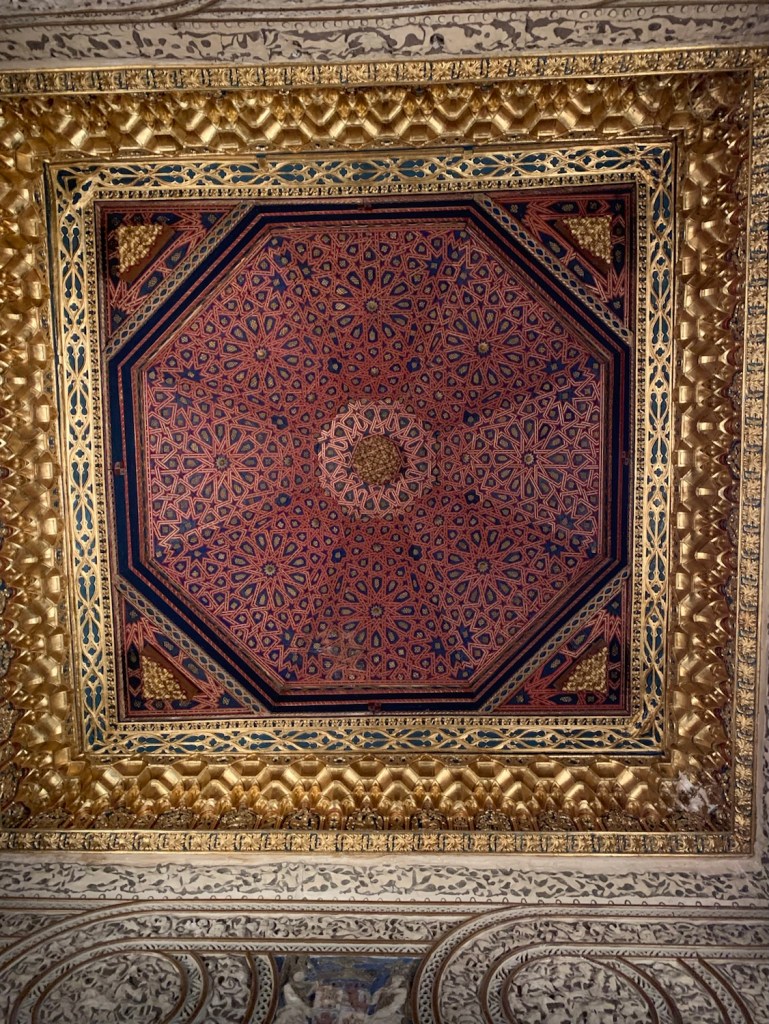
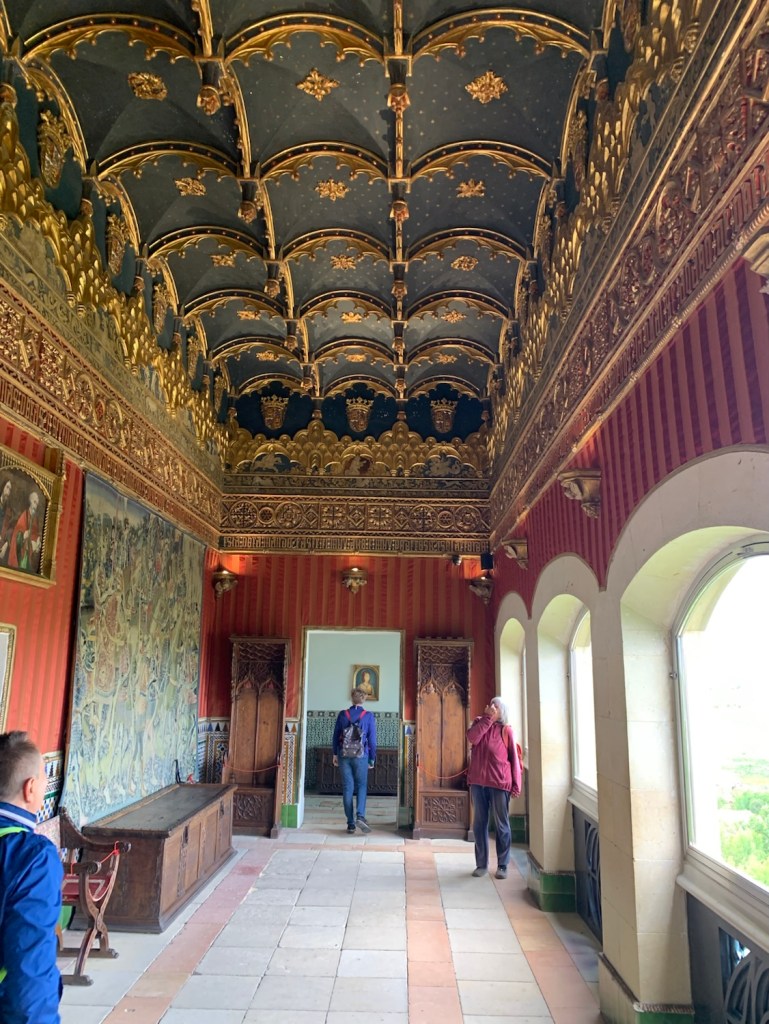
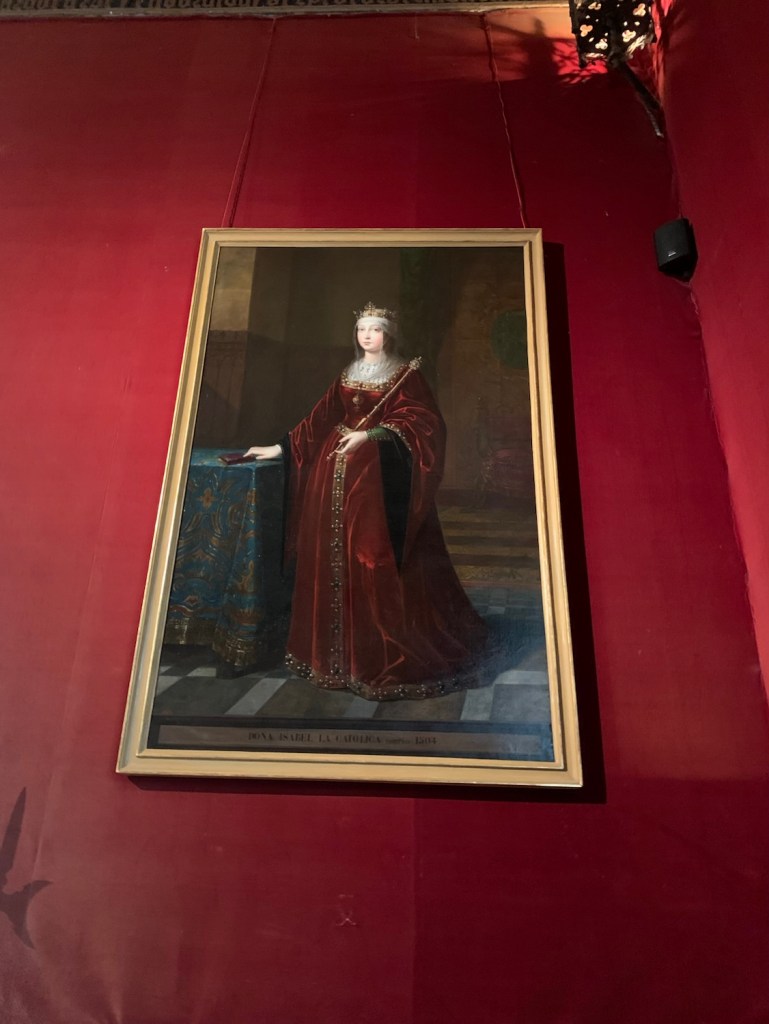

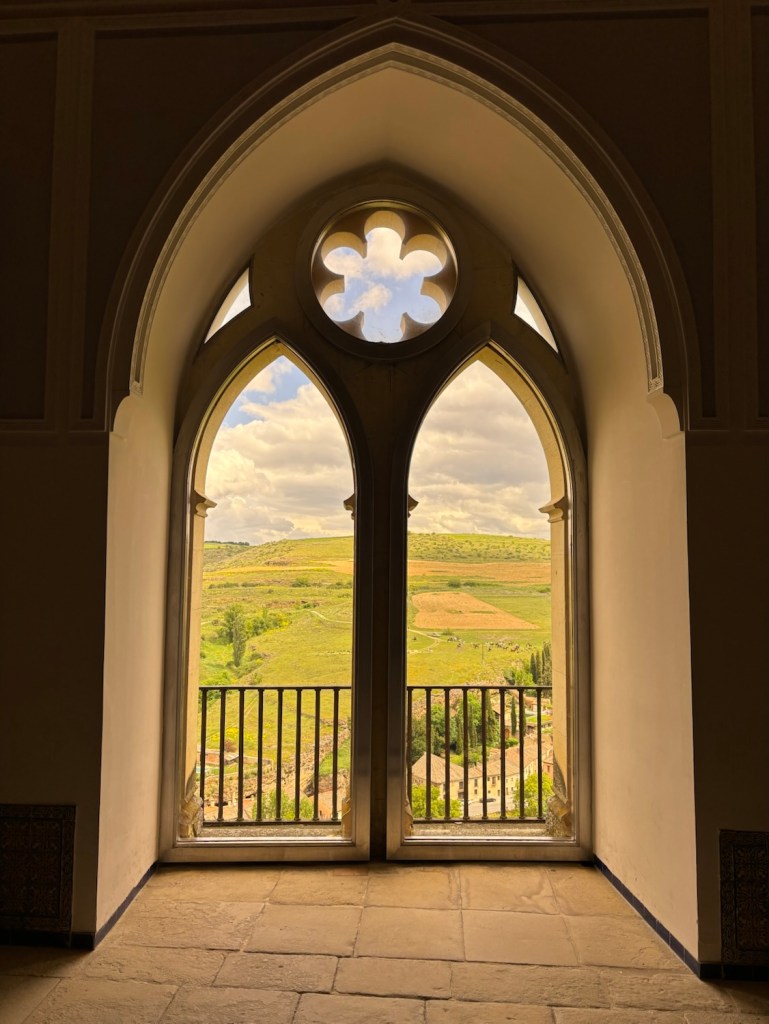
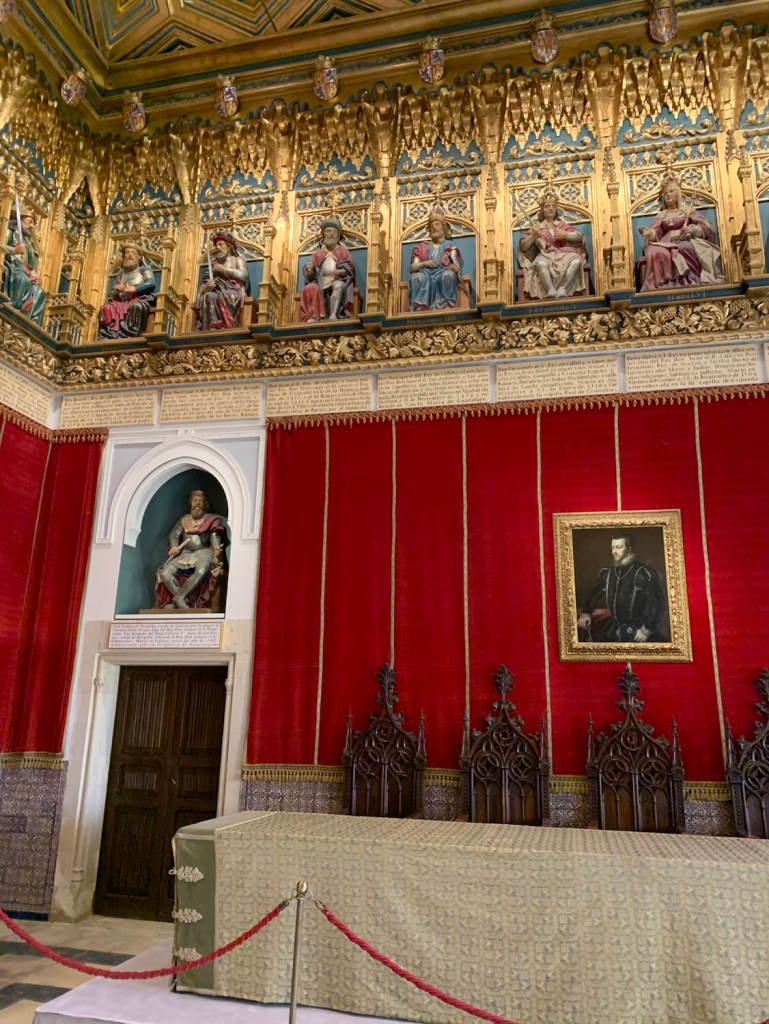

The most striking painting was this one – the presentation of Isabel de Castile after her coronation in 1474 following the death of her brother Henry IV, by Muñoz de Pablos.
The painting depicted a tense time, with very solemn onlookers, after her struggle to claim the throne.

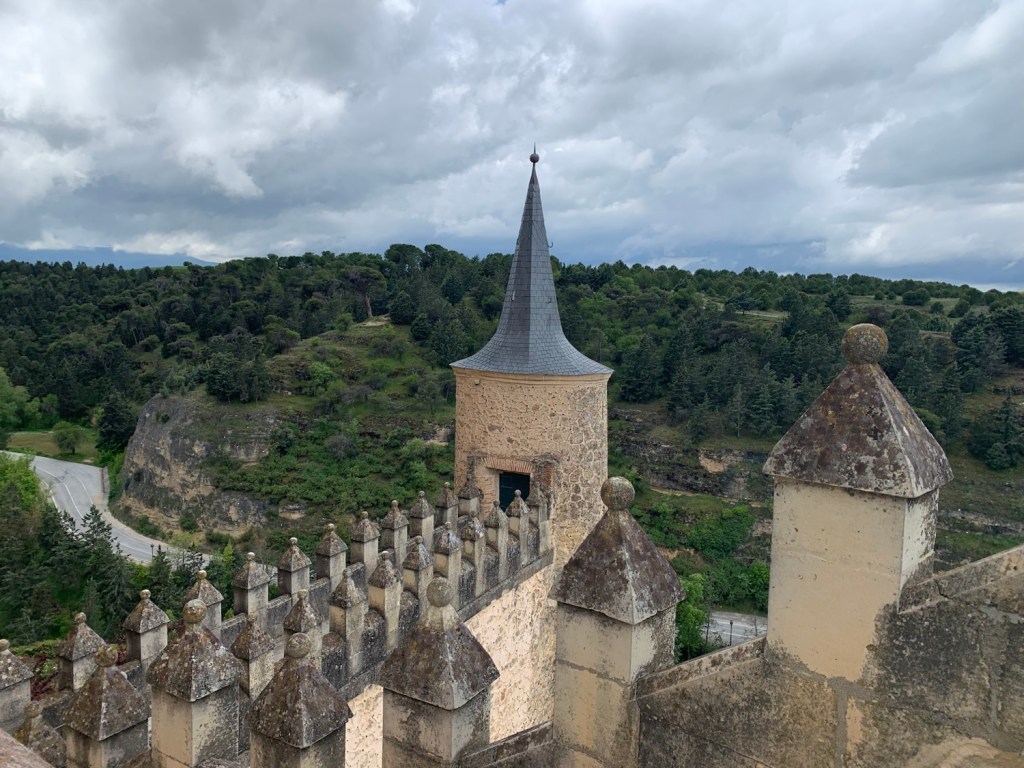
The Iglesia de la Vera Cruz is a 13th century Romanesque dodecagonal structure associated with the Knights Templar set just outside the city walls.
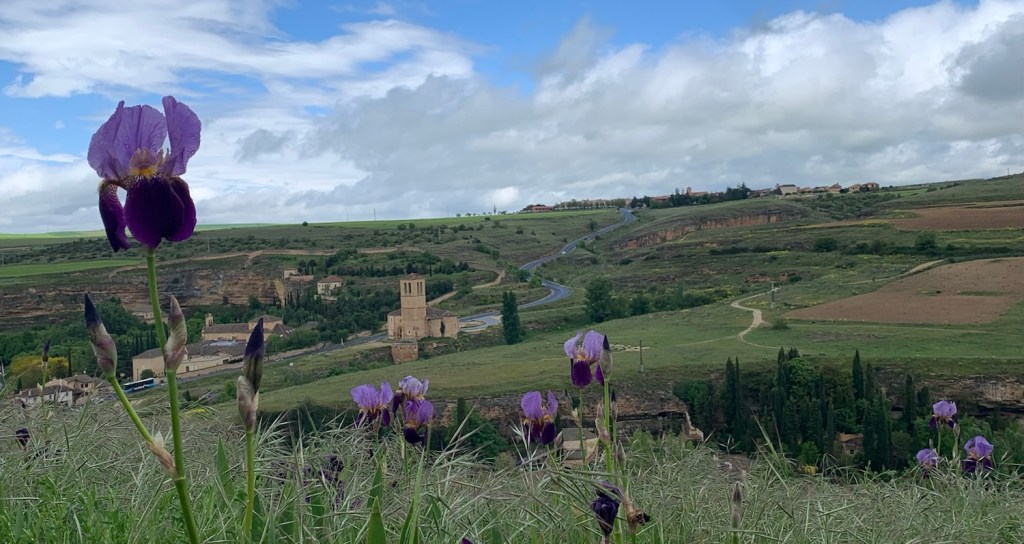
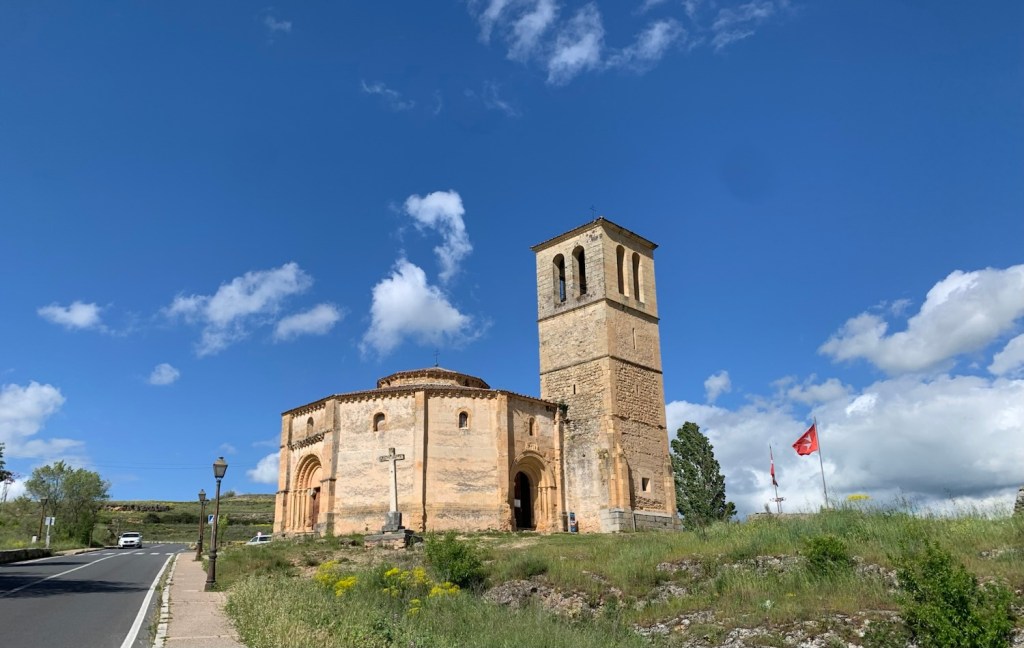
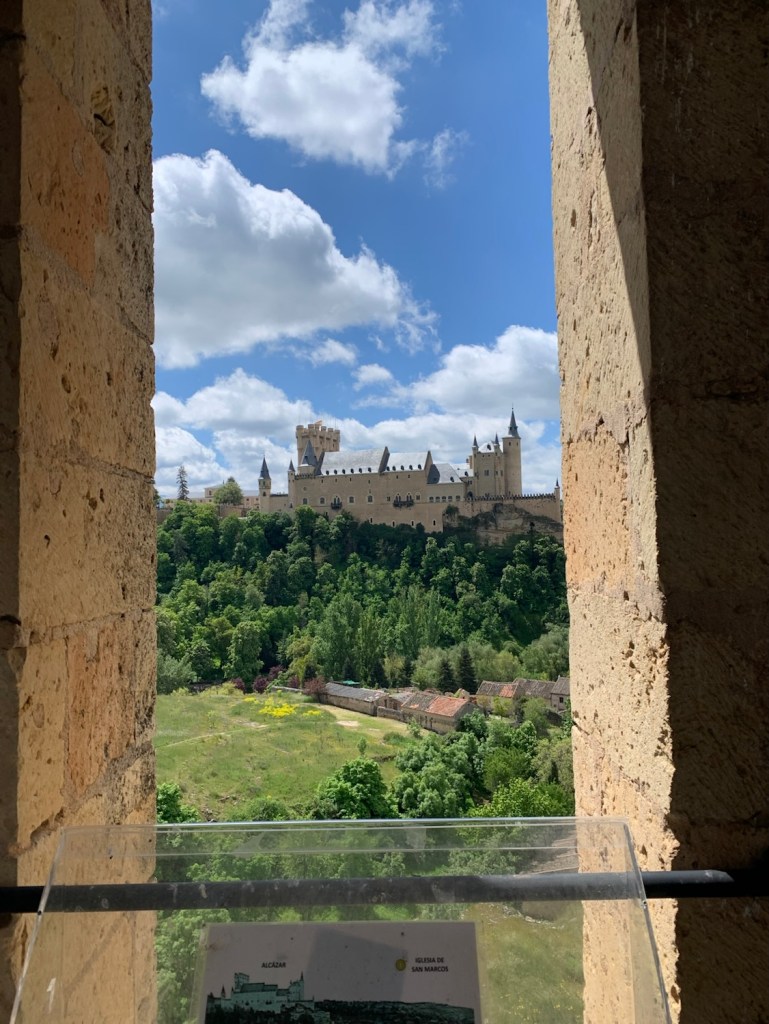
No pictures were allowed inside except the views from the tower. Its austere circular design was inspired by the Church of Holy Sepulchre in Jerusalem.
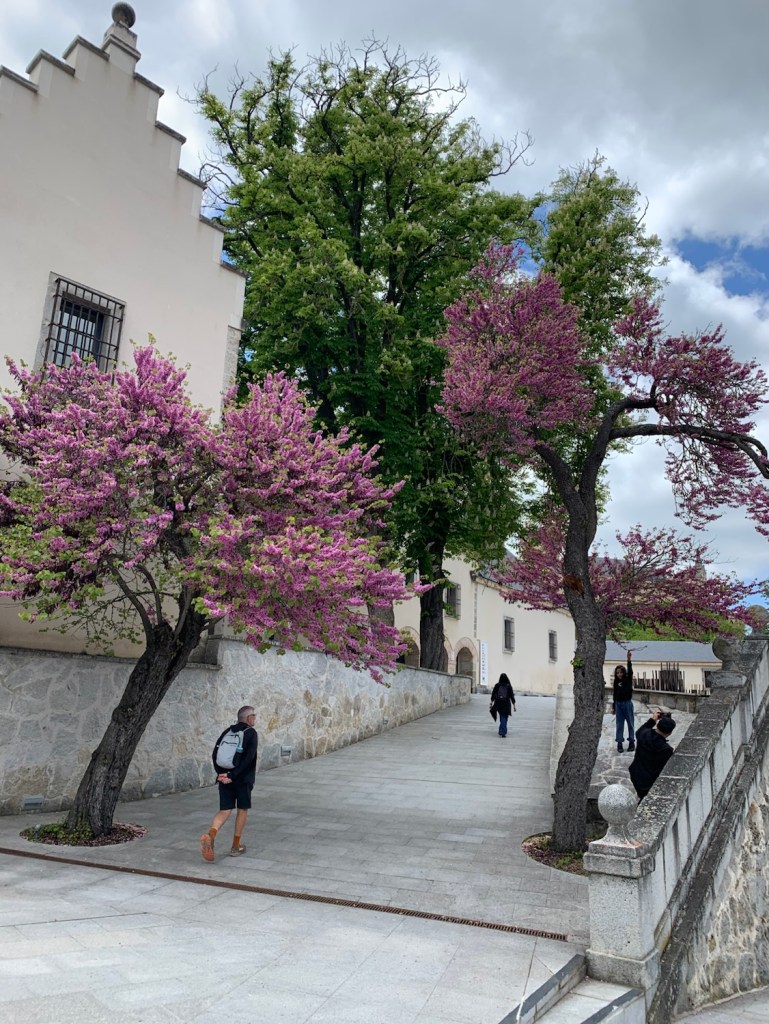
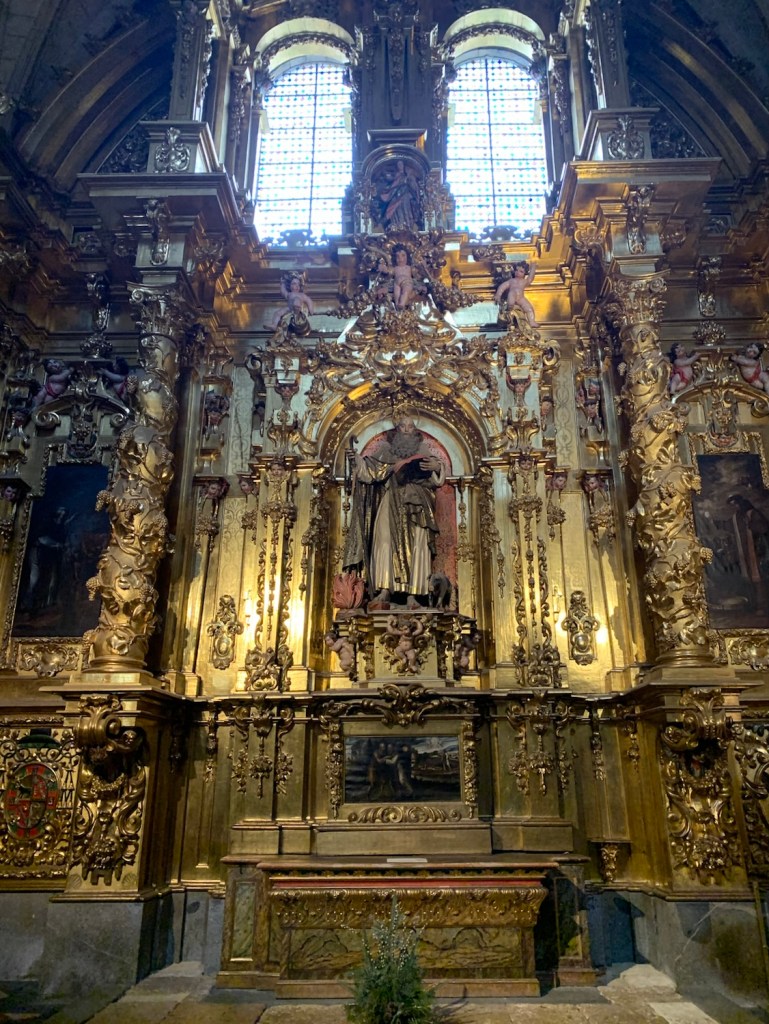
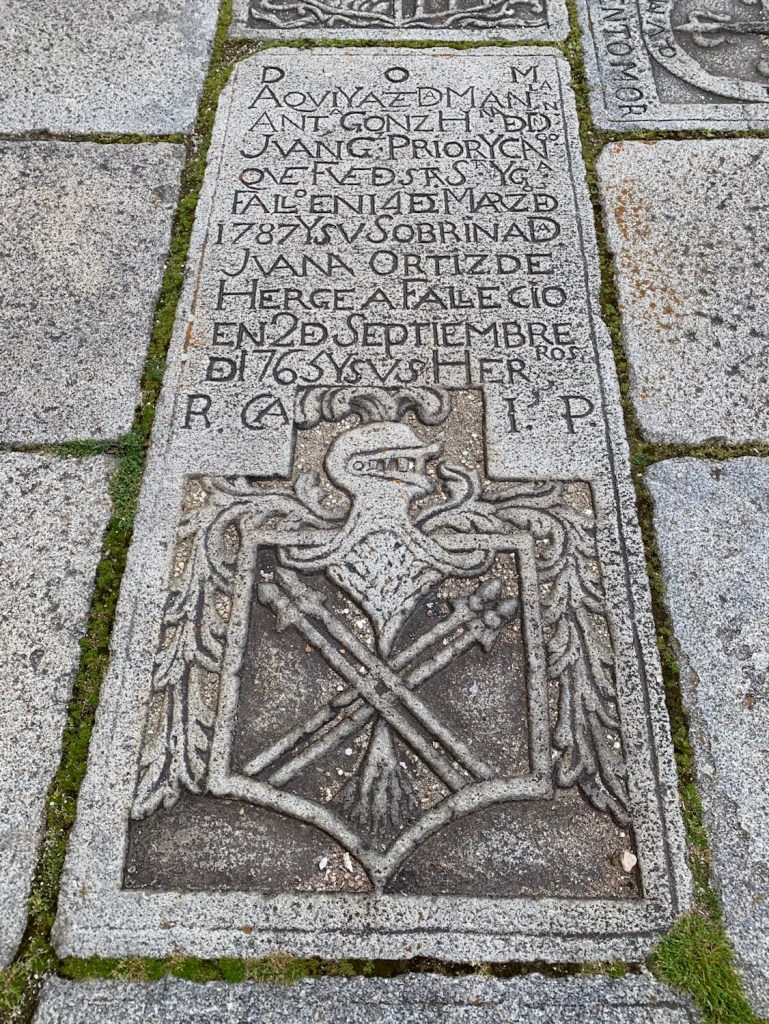
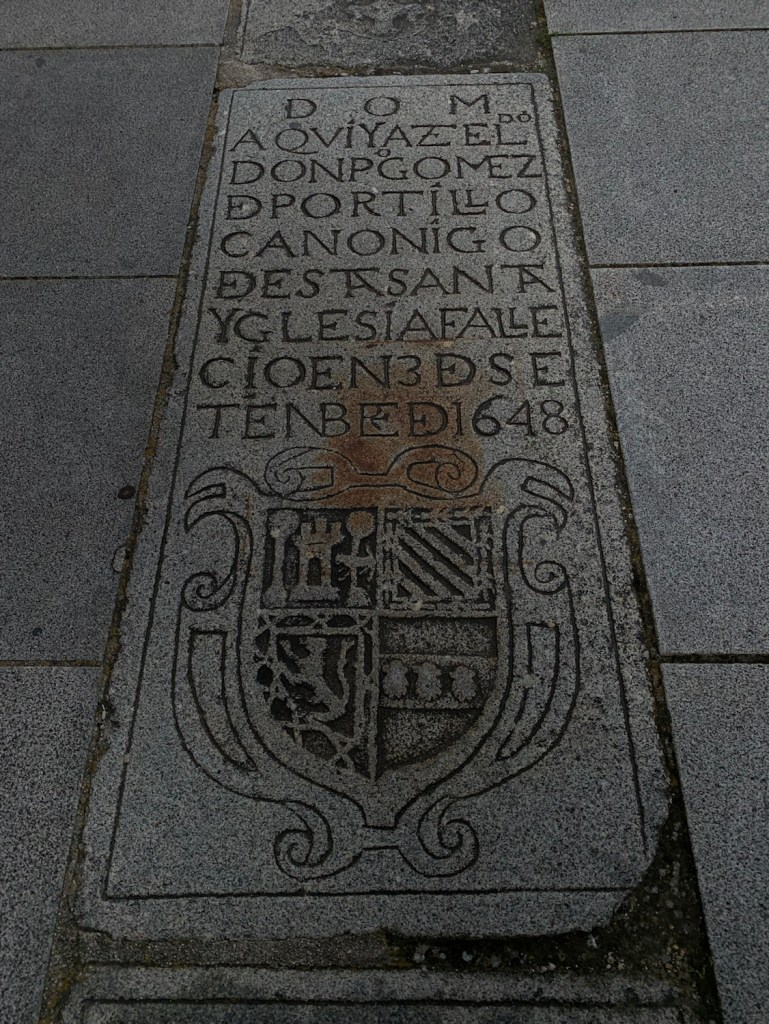
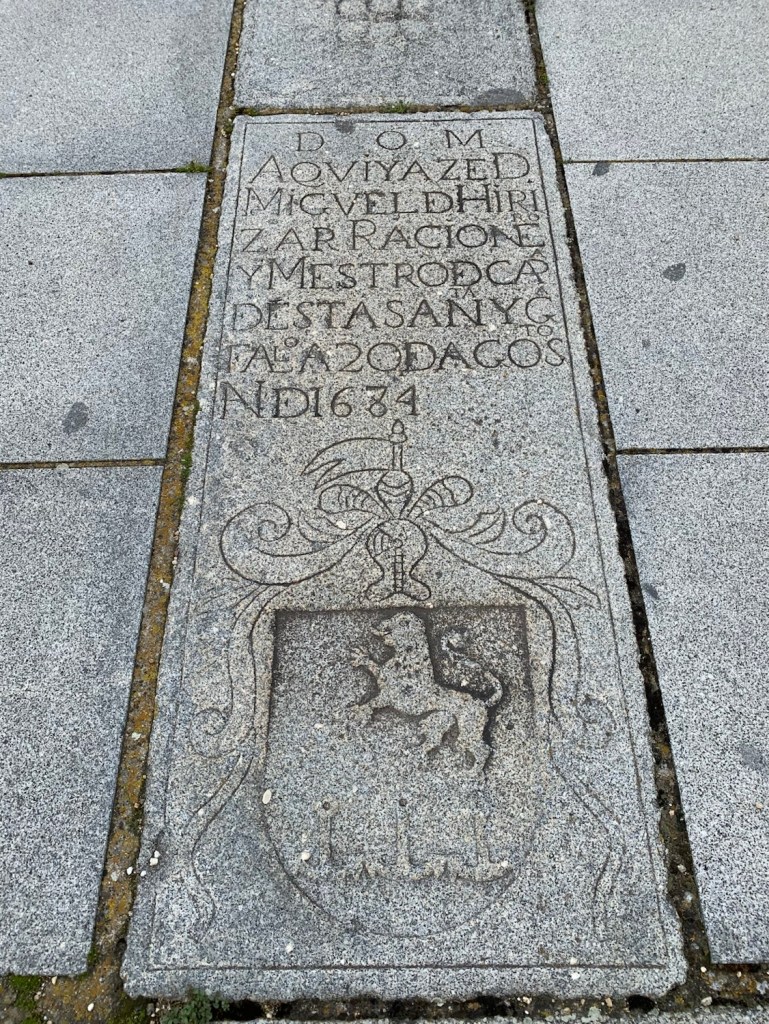
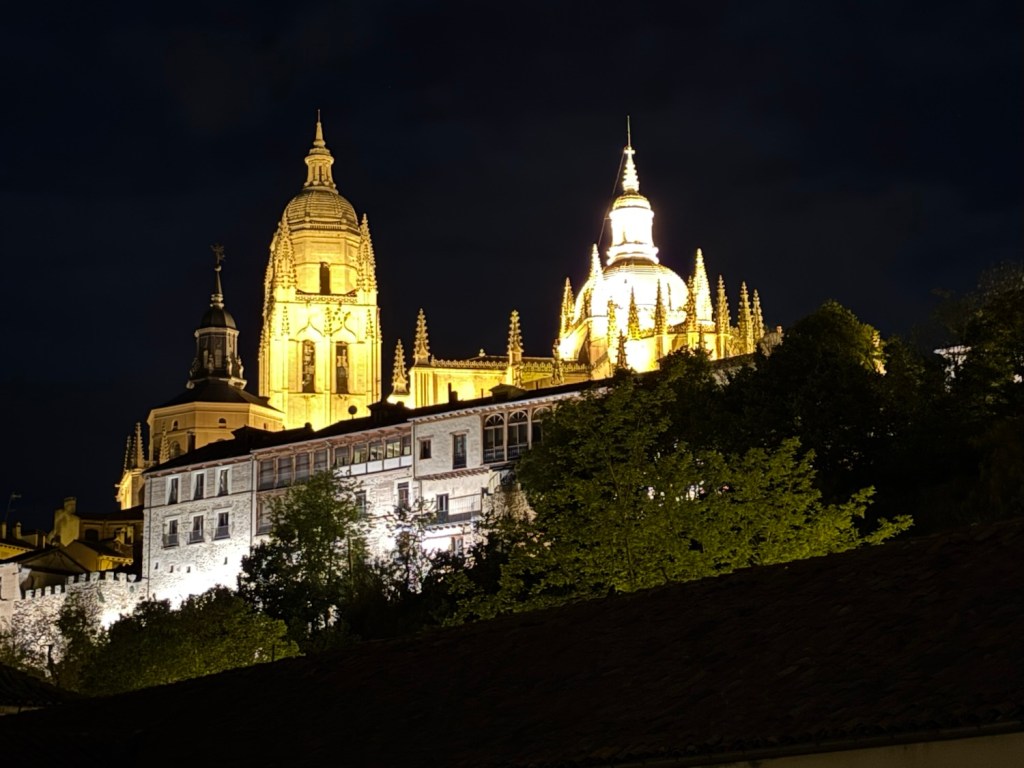
The Segovia Cathedral, officially known as the Cathedral of Our Lady of Assumption and Saint Fructus, is an impressive structure sited just off the main square, with an inside to match.

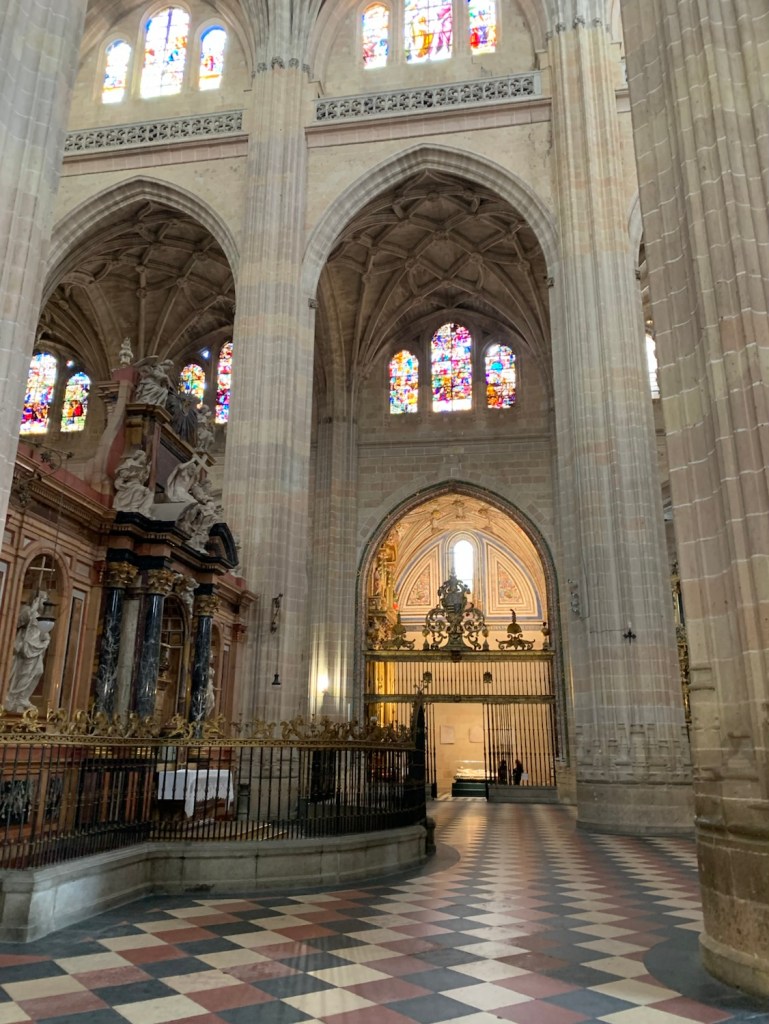
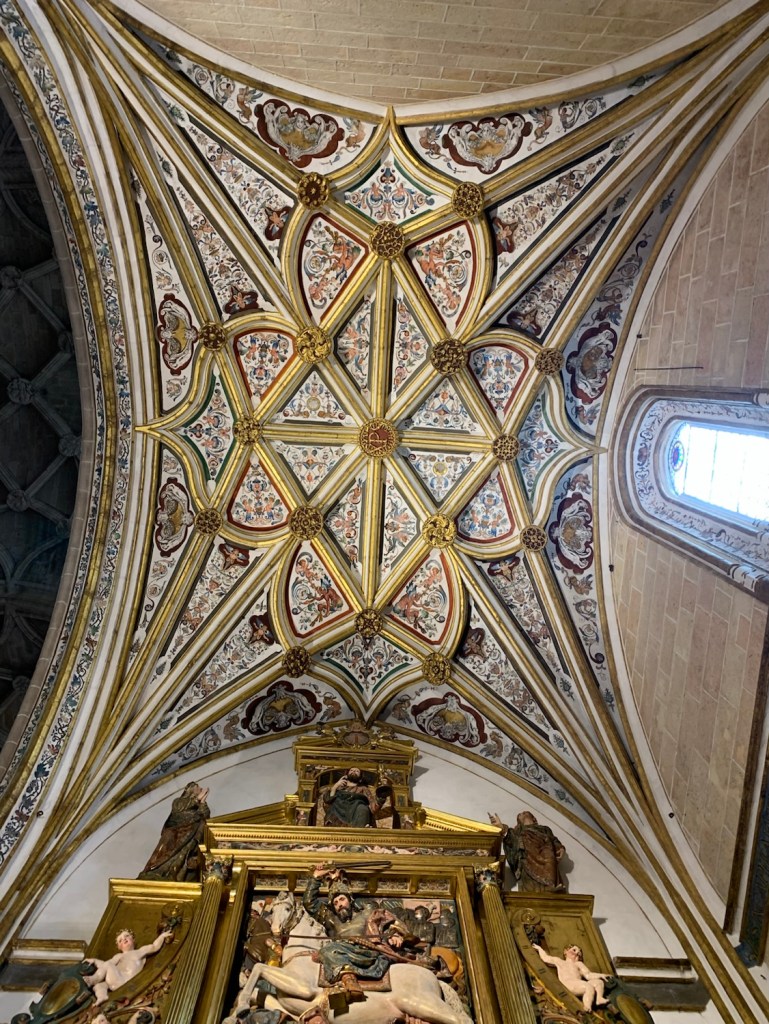
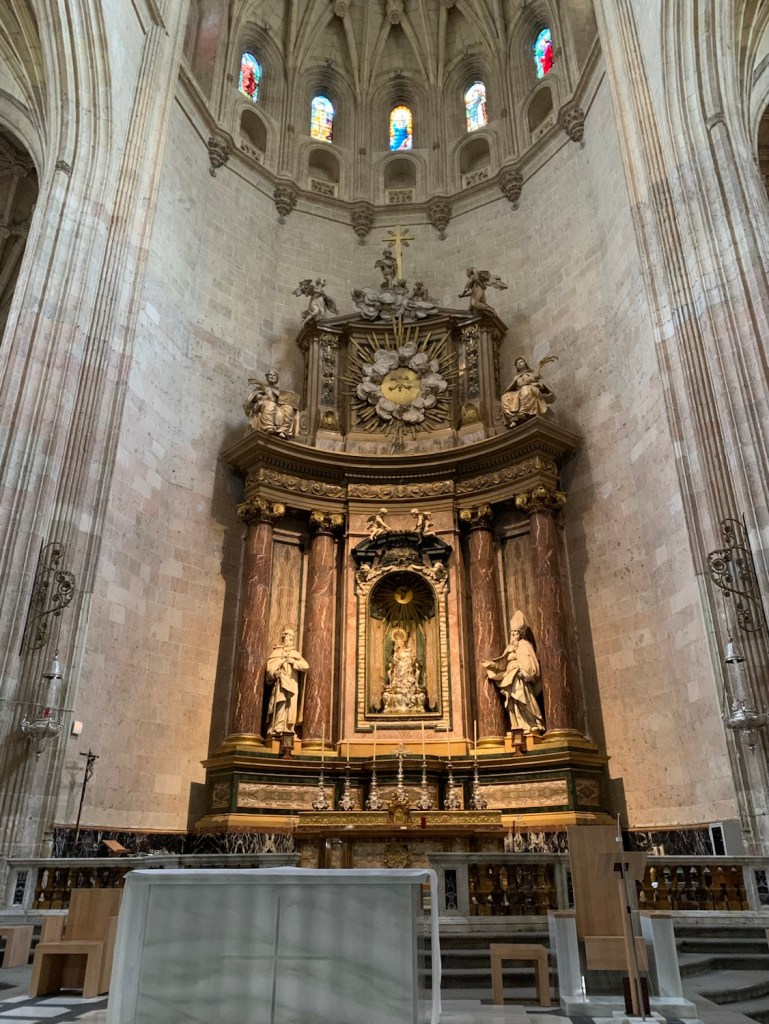

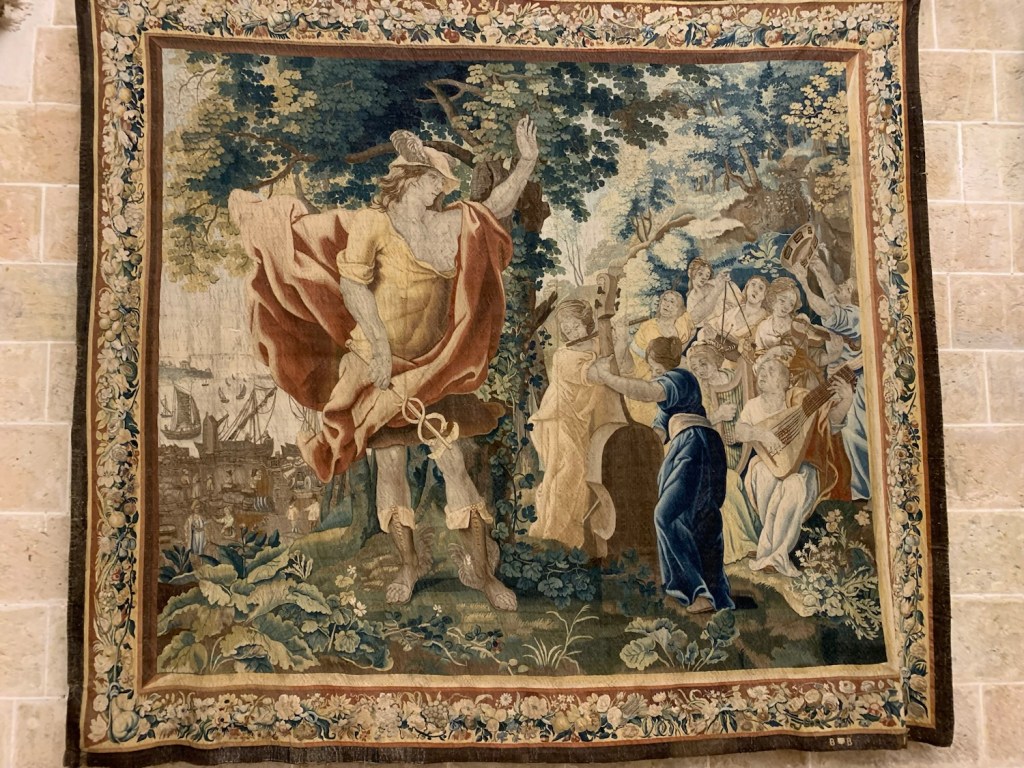
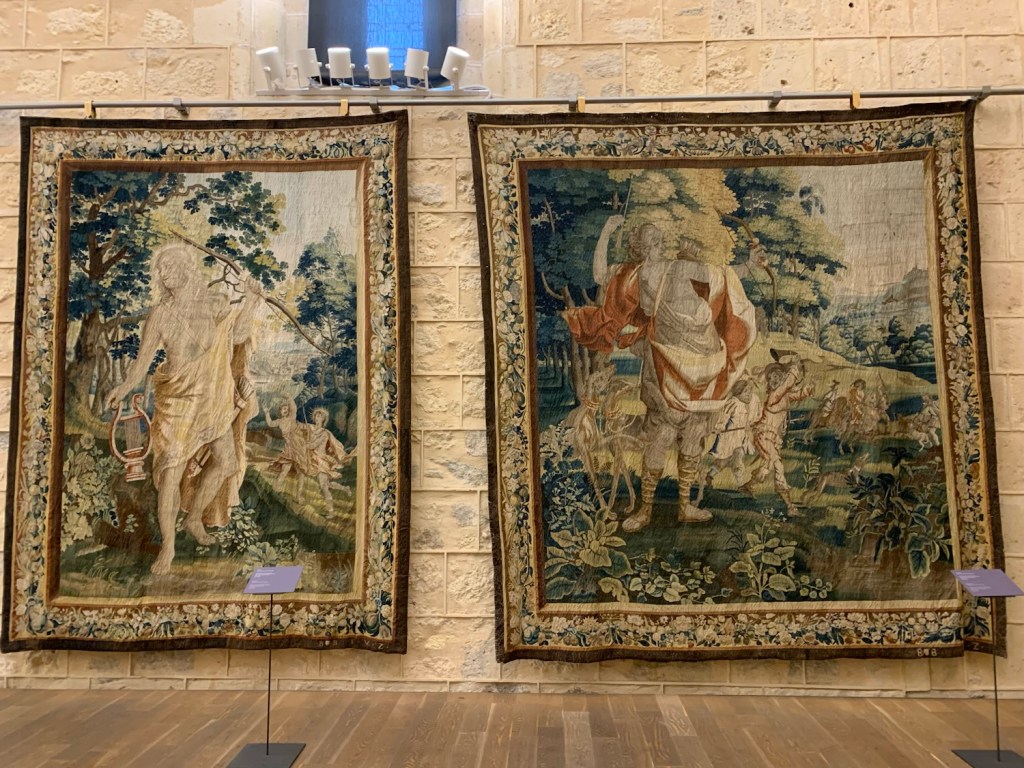
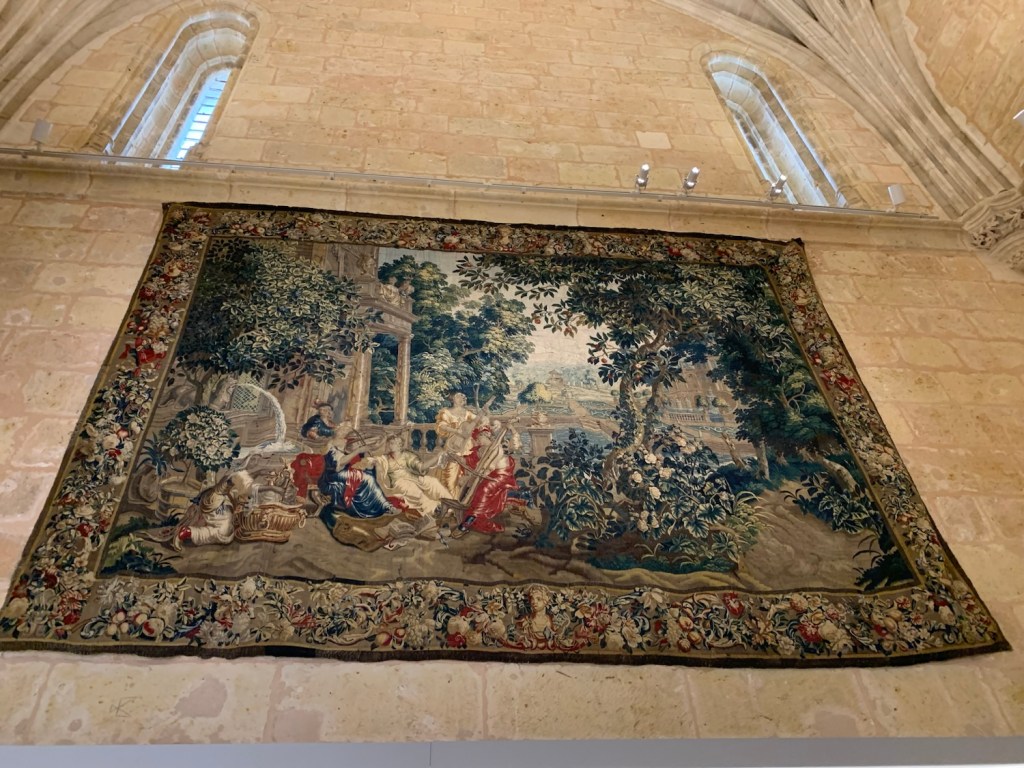
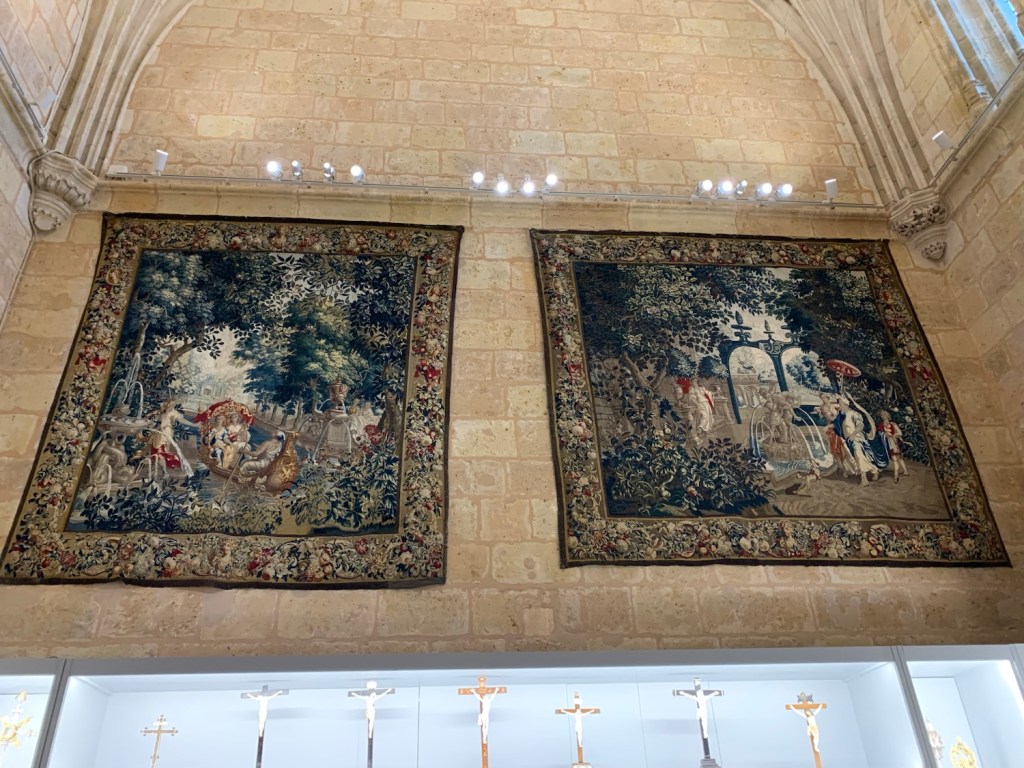
The cathedral also housed an amazing collection of Brussels 18th century tapestries.

The city lights gave us a magical end to our visit to fairytale Segovia.


I’m continually surprised by the engineering feats of times gone by and yet why should I be?
It’s natural to think that the 21st century brain and its capabilities are better than those that have gone before.
Clearly Segovia, and many other places I’ve now seen, have reminded me that this is just not so.
What we know now can only come by building on previous discoveries, succinctly put by Issac Newton in 1675…
if I have seen further [than others], it is by standing on the shoulders of giants
Biked: 57 kms (Total 717 kms)
 JG on balance
glorious architecture and just mesmerising tapestries I could stare at them all day!!
just love following your adventures so inspiring 🫶🏼
love from all here in NZ
LikeLike