
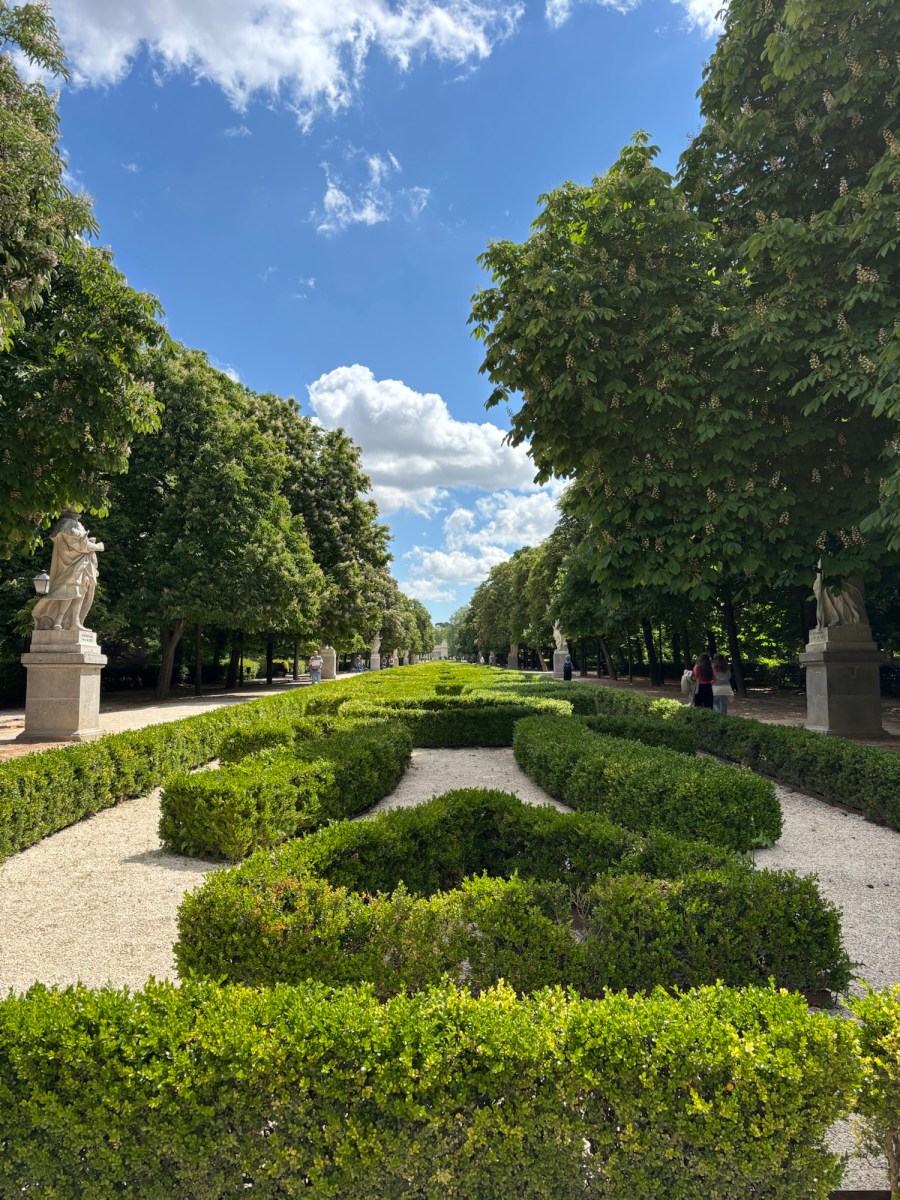
To pack or not to pack? That was the question.
We planned to take the regional Renfe train from Segovia to Madrid & had been told that provided we booked them, we could take our bikes, at no charge, without having to pack them up at all – so much easier when contemplating the alternative – 13 pieces of luggage and nothing to wheel them on…
So far so good, except; the very helpful person at the station’s online kiosk who helped us book our tickets (a couple of days early) was unable to book the bikes. So the debate began…
Jeanette was all for wheeling them on and pleading ignorance if necessary; I had visions of being ordered off the train; the hotel owner was clear that booking wasn’t a requirement and packing the bikes was a ridiculous idea.
Jeanette was right as usual and we got underway without a hitch. What nobody thought to tell us (our friendly and helpful online kiosk lady, or the station attendant at Segovia) was that the train we were taking was not actually going to Madrid.
Turned out we needed to change trains three stations into our journey and promptly too – the connecting train was ready to depart. It turns out that it is possible to take a fully loaded touring bike down the stairs (which felt near vertical) and, with the resigned and stoic assistance of a station security guard carry them up two flights of steps to the departure platform on the other side …he had seen this all before.
The security guard was so kind, as was the conductor who held the ongoing train for us – two very relieved kiwis now on a double decker train, bikes lashed to a pole in the carriage entrance and panniers piled in the luggage bay.
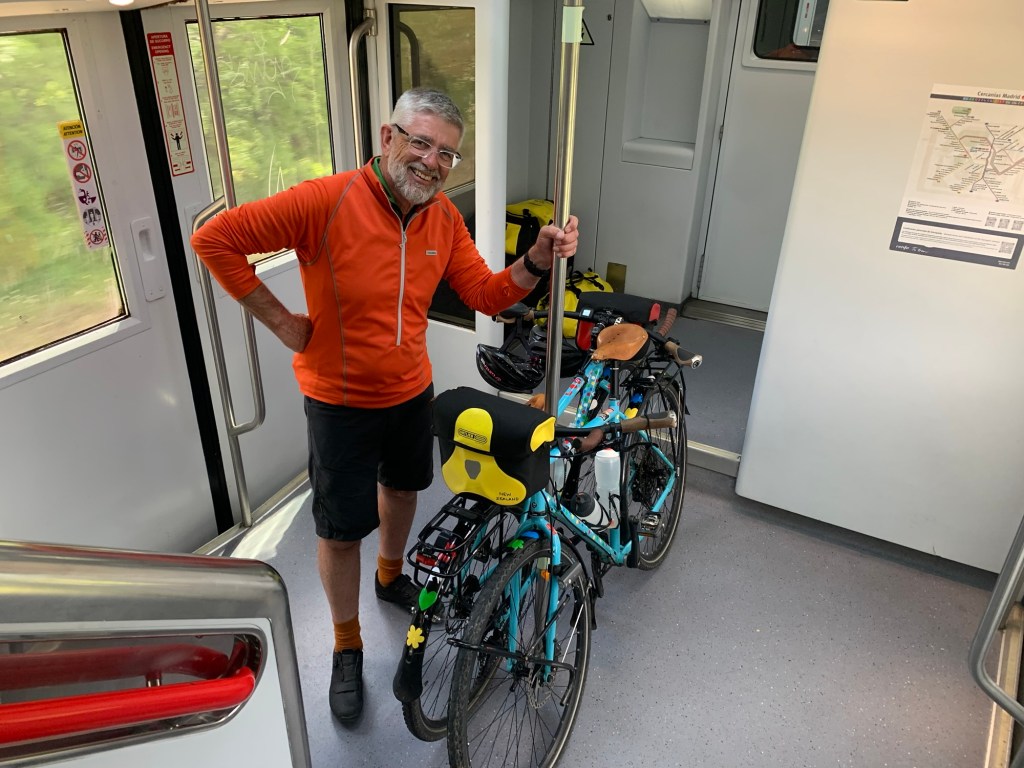
Relief lasted almost to the end of our journey when, four stops away, it was announced that our train wasn’t after all going to its destination – a problem with the track. A fellow passenger guided us to the right platform on the Metro (via elevator this time) and we were all go again, this time to Madrid’s main commuter station, Atocha.
Our tickets weren’t for Atocha, so we had to buy Metro tickets to exit the station, out into Jeanette’s cycling nightmare – the huge roundabout at Glorieta del Emparador Carlos V – imagine 6 or 7 lanes of traffic, no lane markings and rush-hour. Two bicycles adrift in a sea of vehicles going in all directions.
Despite their protests to the contrary, the Spanish really do look out for cyclists and we made it through unscathed on our 1.5km ride to meet Estrella and Elena, who were so kindly hosting us in Madrid.
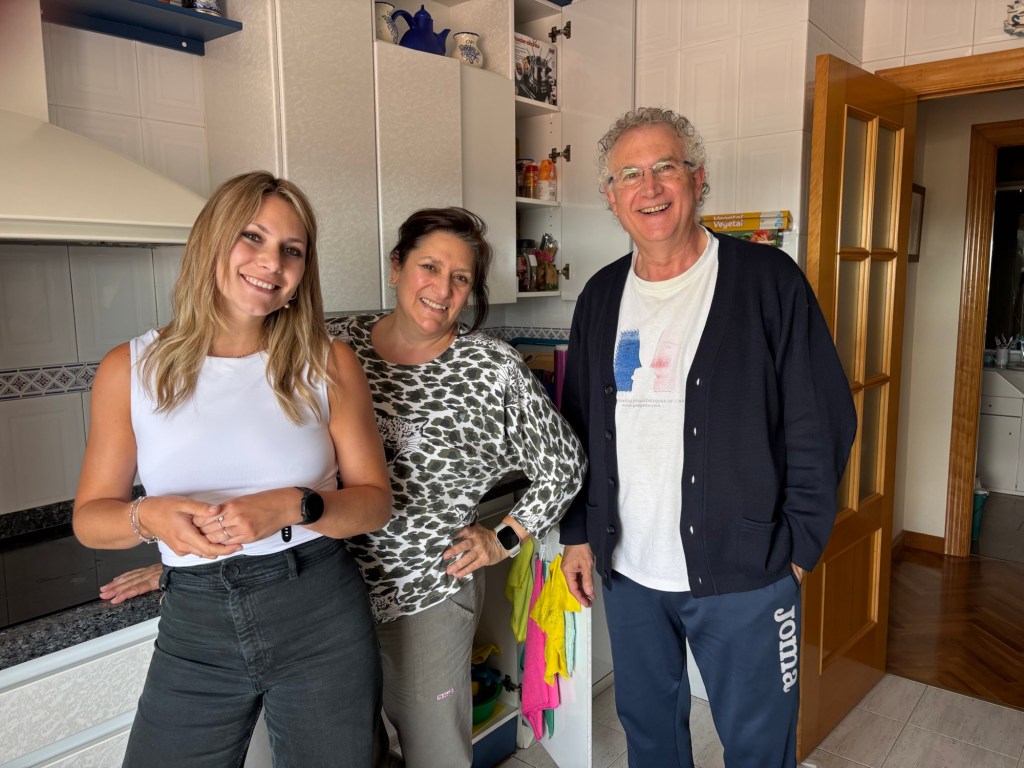
So so good to see them again having farewelled them in NZ 18 months before. Dropping our bags at the family apartment and our bikes at Estrella’s very kind Aunt & Uncle’s it was on to get a drink and tapas before saying “buenas tardes,” getting a tortilla, salad and wine for dinner from the supermarket across the road and bed – feeling so warmly welcomed to the beautiful city of Madrid.
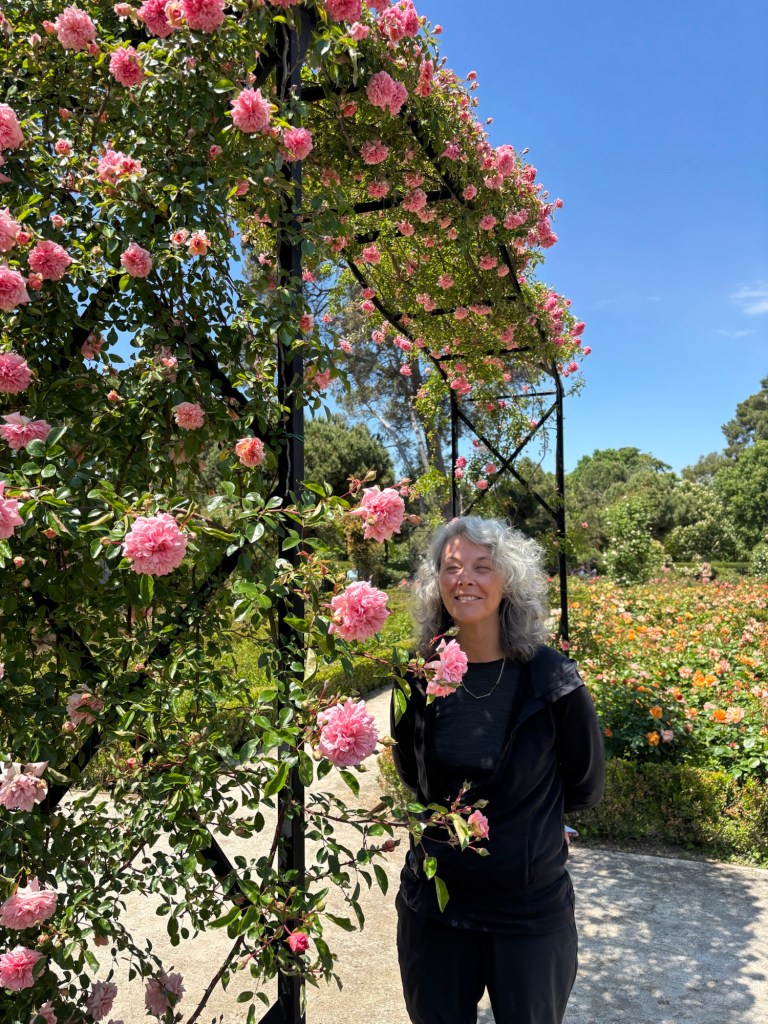
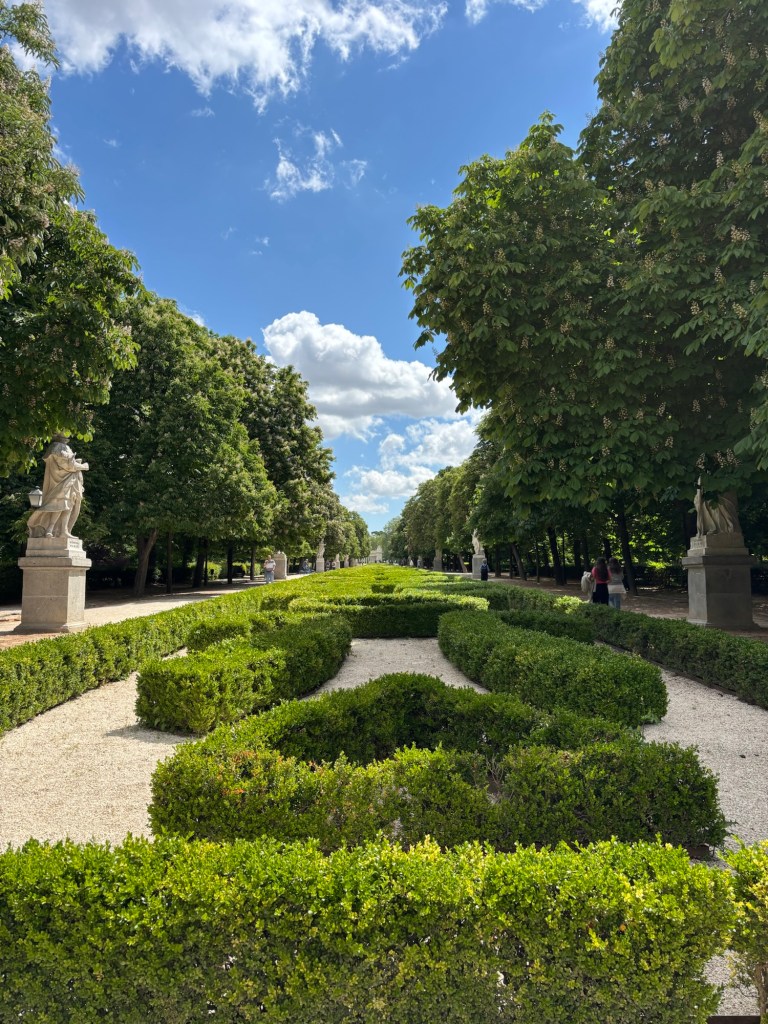
And it is so beautiful. The central Parque de El Retiro is breathtaking in scale and beauty, its rose gardens are an absolute delight.
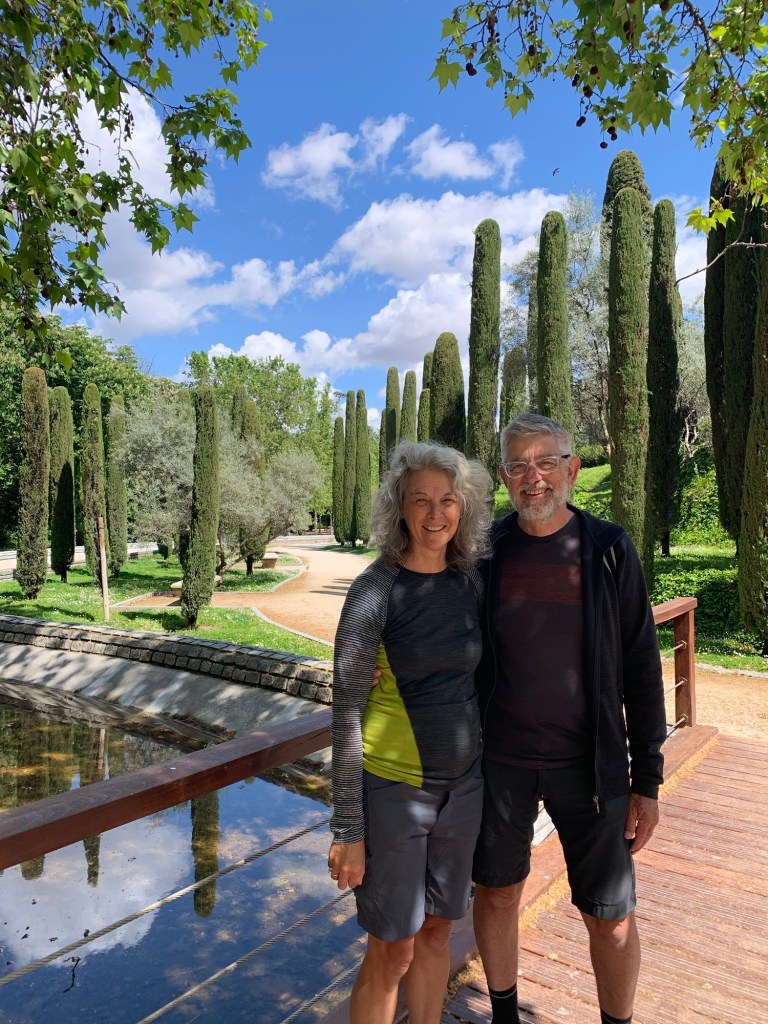
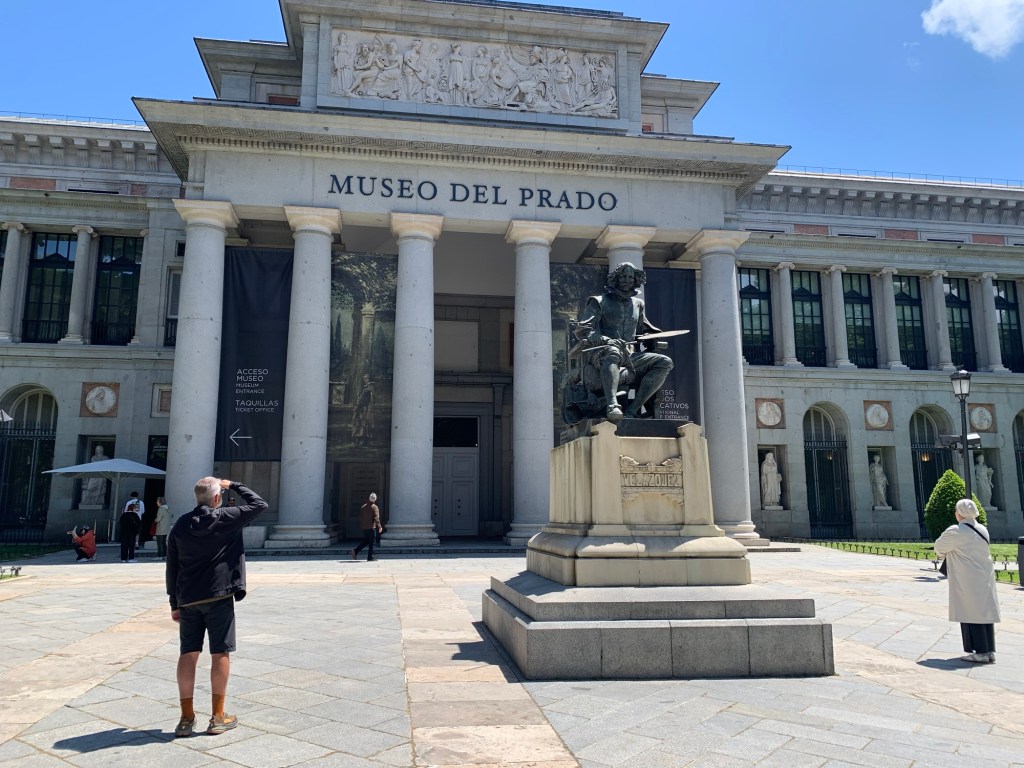
The Museo del Prado is just stunning; beautiful artworks displayed in such an intimate way which kept us captivated for the four hours we spent there.
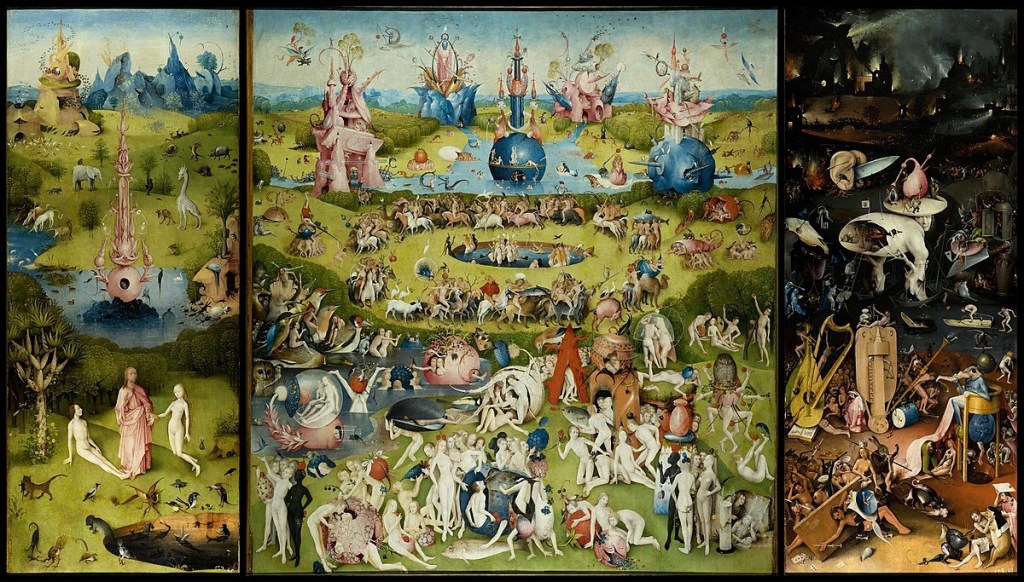
Hieronymus Bosch’s Garden of Earthly Delights triptych, painted between 1490 and 1510, was arresting up close – such surreal scenes so vividly depicted, it must have been sensational when first unveiled. Not the product of an unaltered consciousness surely?
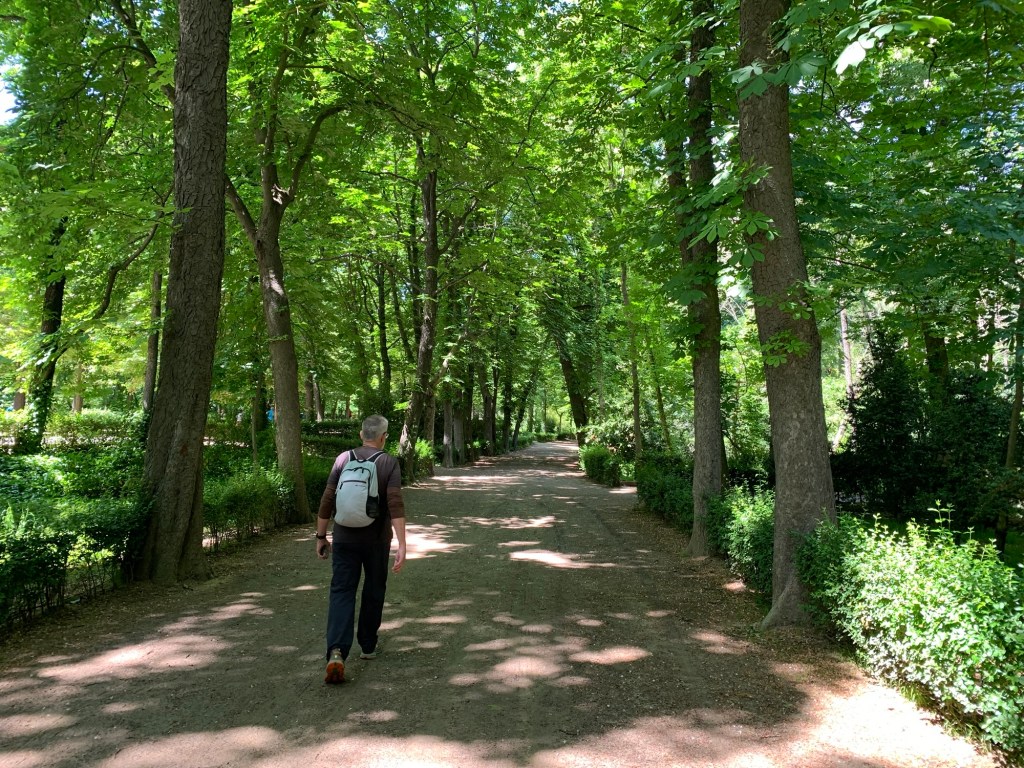
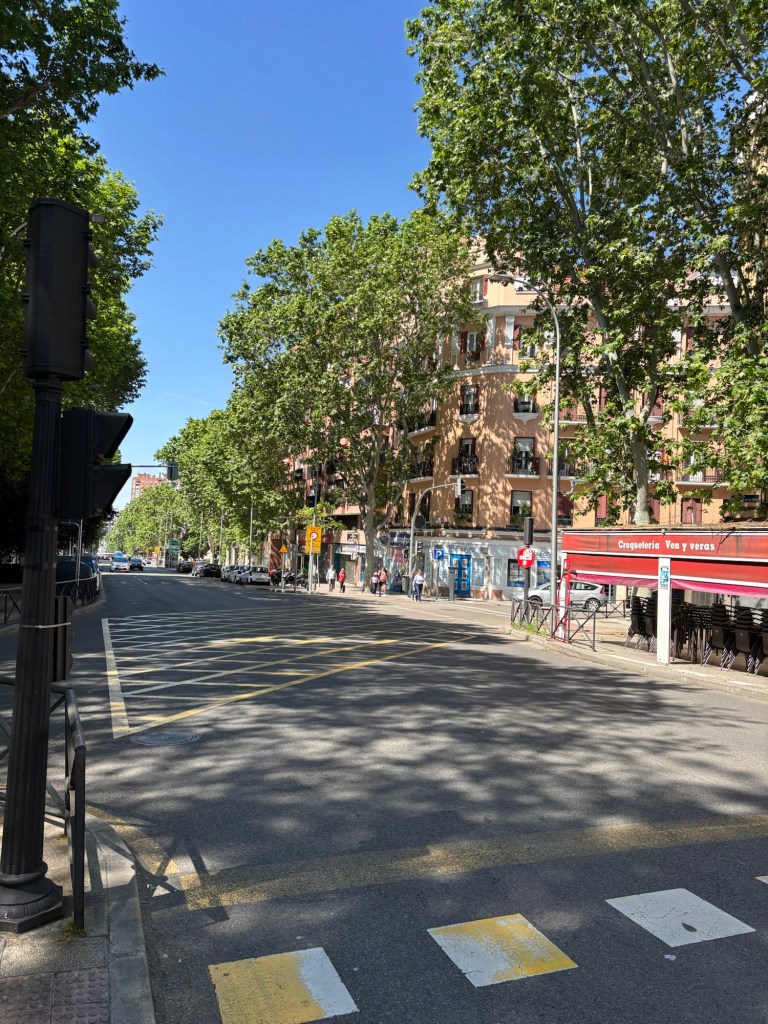
Central Madrid is leafy and a joy to walk around in the perfect weather we had – London Planes (sycamore), amongst others, line many of the streets and must be such a valuable source of shade during summer.
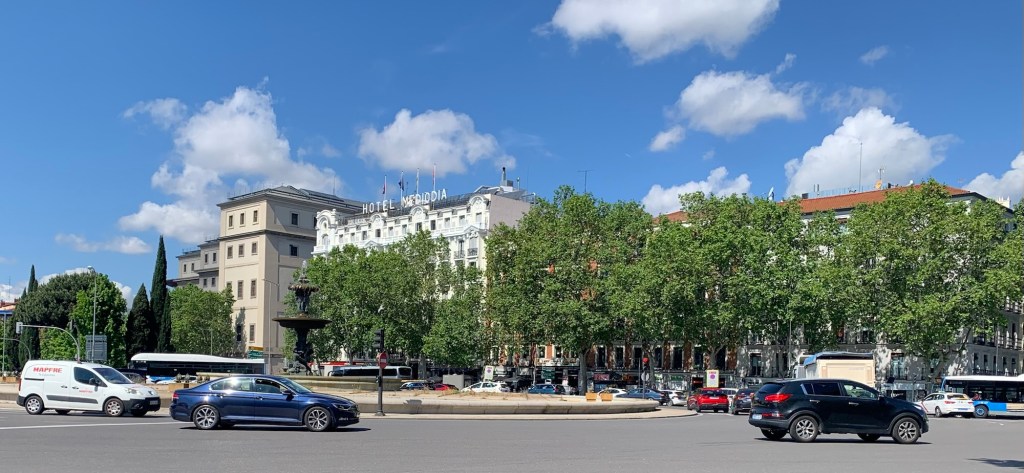
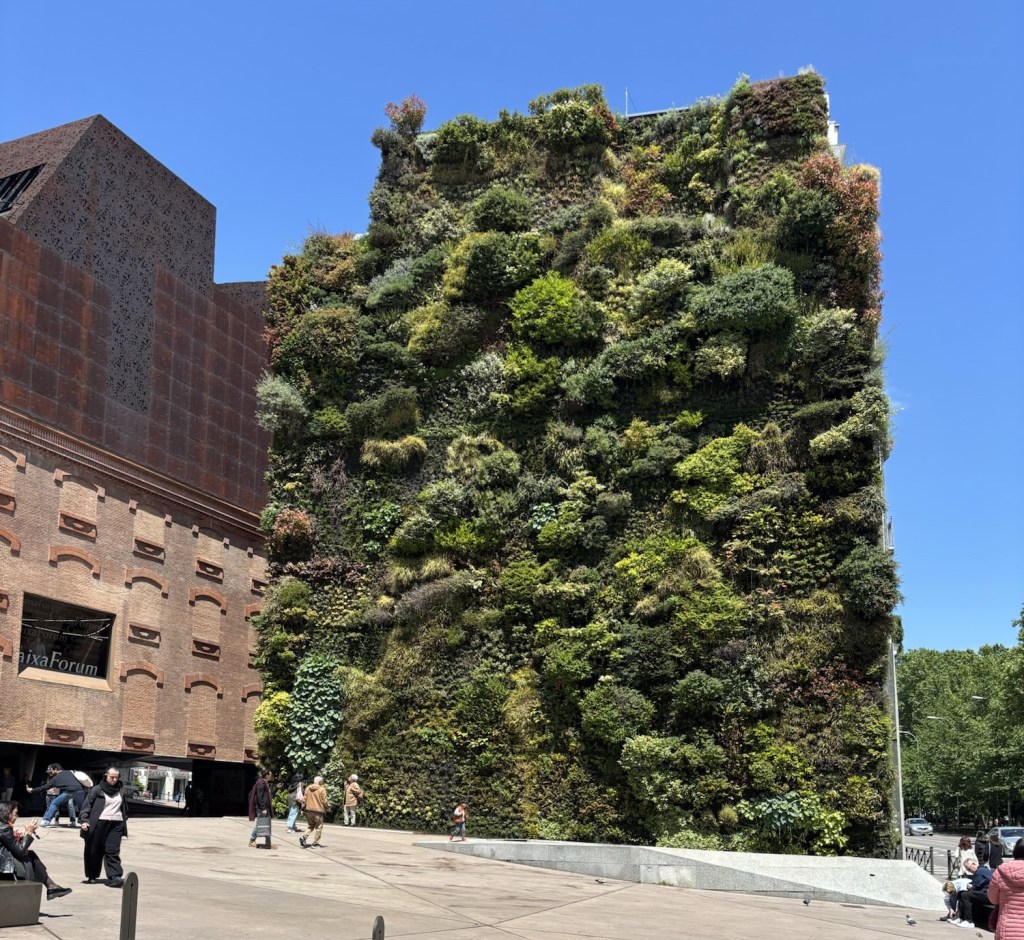
Water, is a constant theme and the fountains are spectacular, celebrating exuberantly a sense of wellbeing and generosity at the core of human existence – reassurance somehow that, with abundant fresh water and sunshine, all will be well.
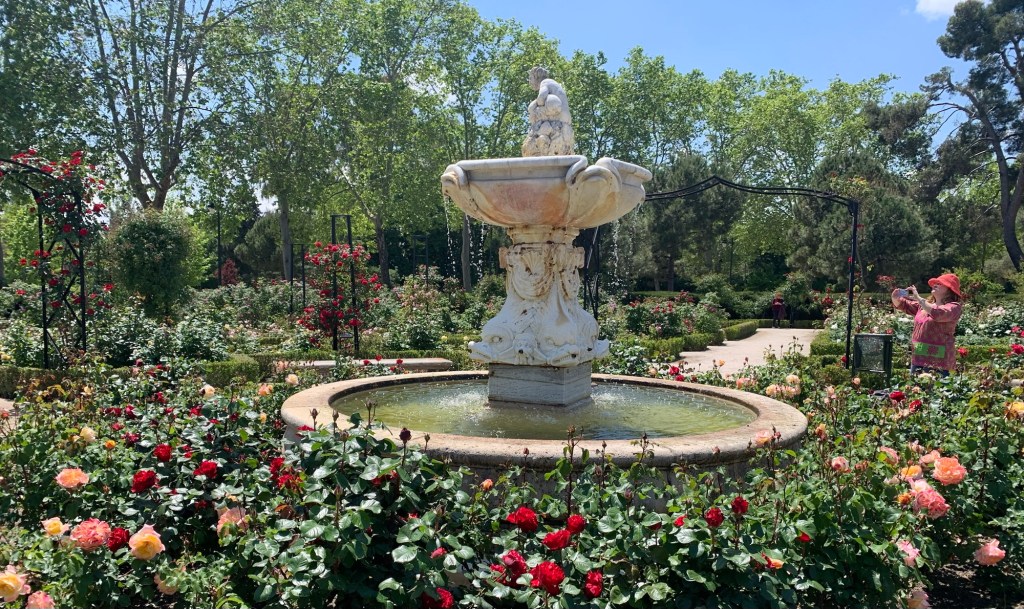
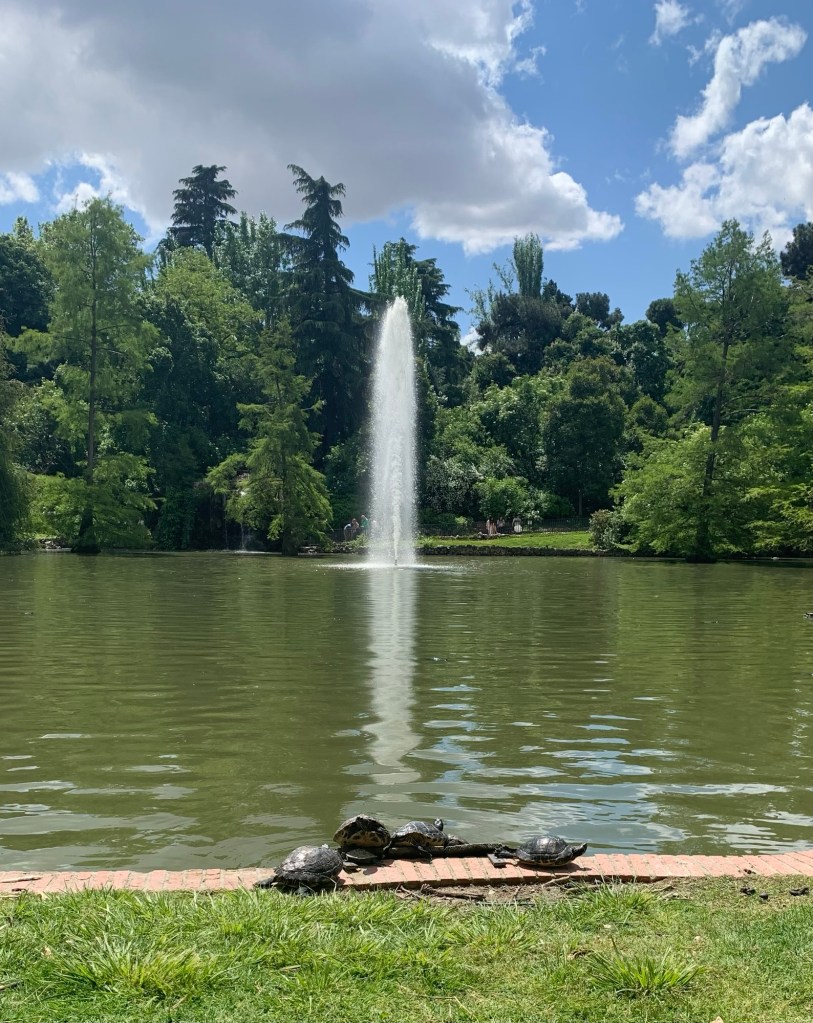
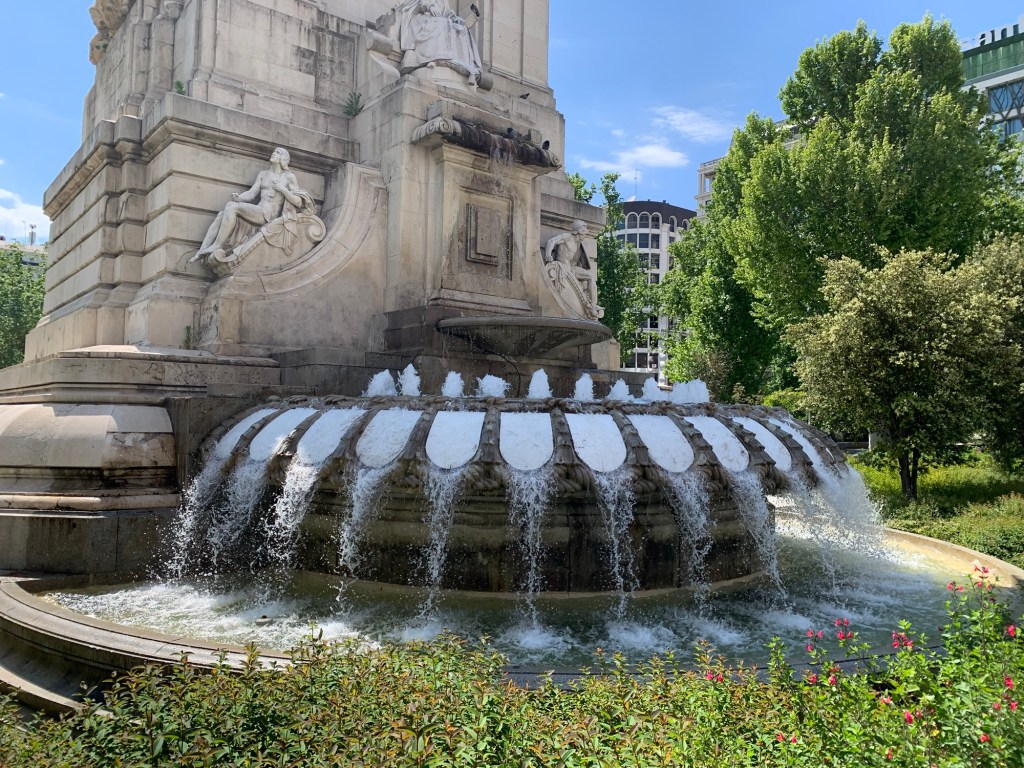
The drinking water in Madrid is delicious too, famously so it turns out – celebrated as being amongst the best in Spain (and the world according to at least one resident) Madrileños are justifiably proud of it.
Drinking water is freely available too, in Madrid and elsewhere we rode – it is common to come across drinking water in the plaza mayor (main plaza) of the smallest town. Such a symbolic act of generosity to strangers and one very gratefully received by thirsty kiwis on bikes!
We were beginning to understand that festivals are big in Spain! This week was the major celebration of the “Fiestas de San Isidro, Madrid’s patron saint – such a spectacle, traditional dancing, all the fun of the fair, religious observances and, of course, eating and drinking! A little rain did nothing to dampen spirits.
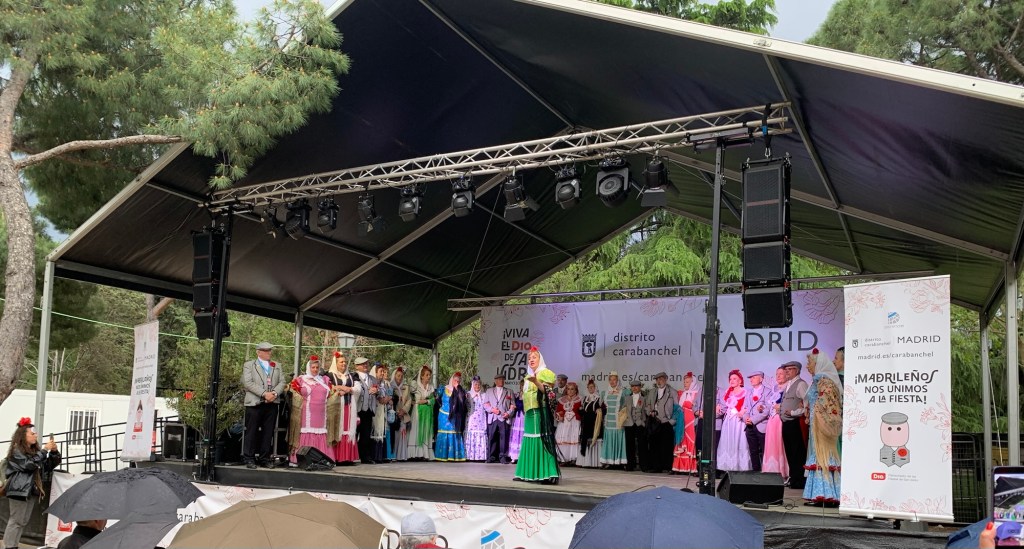
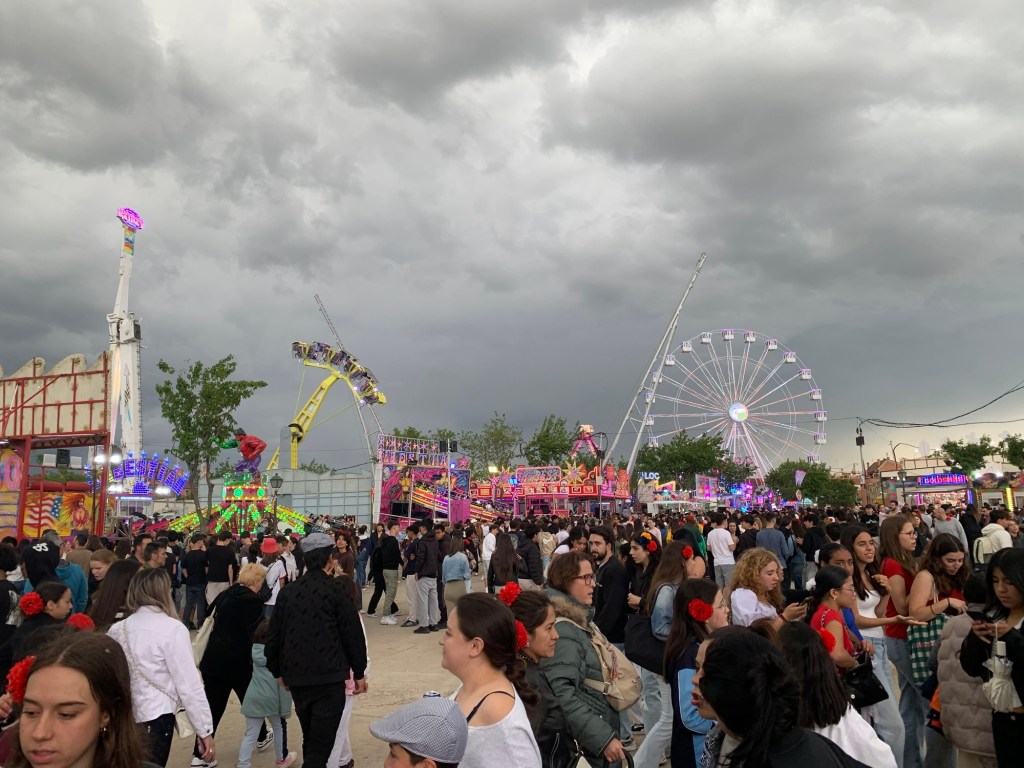
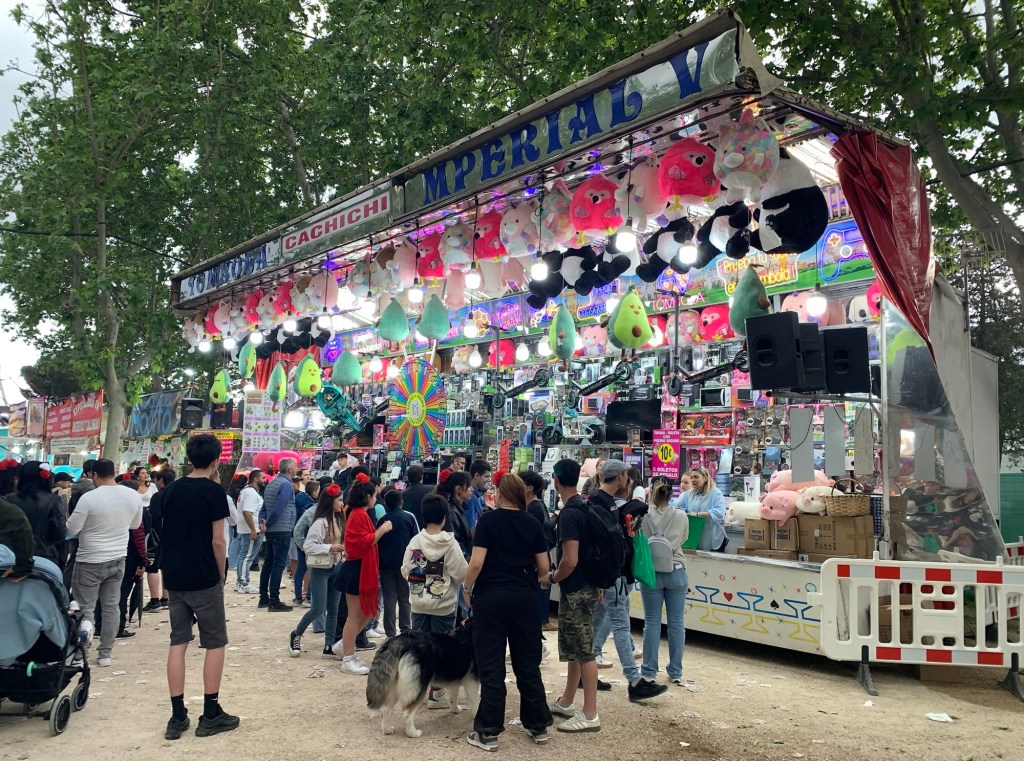
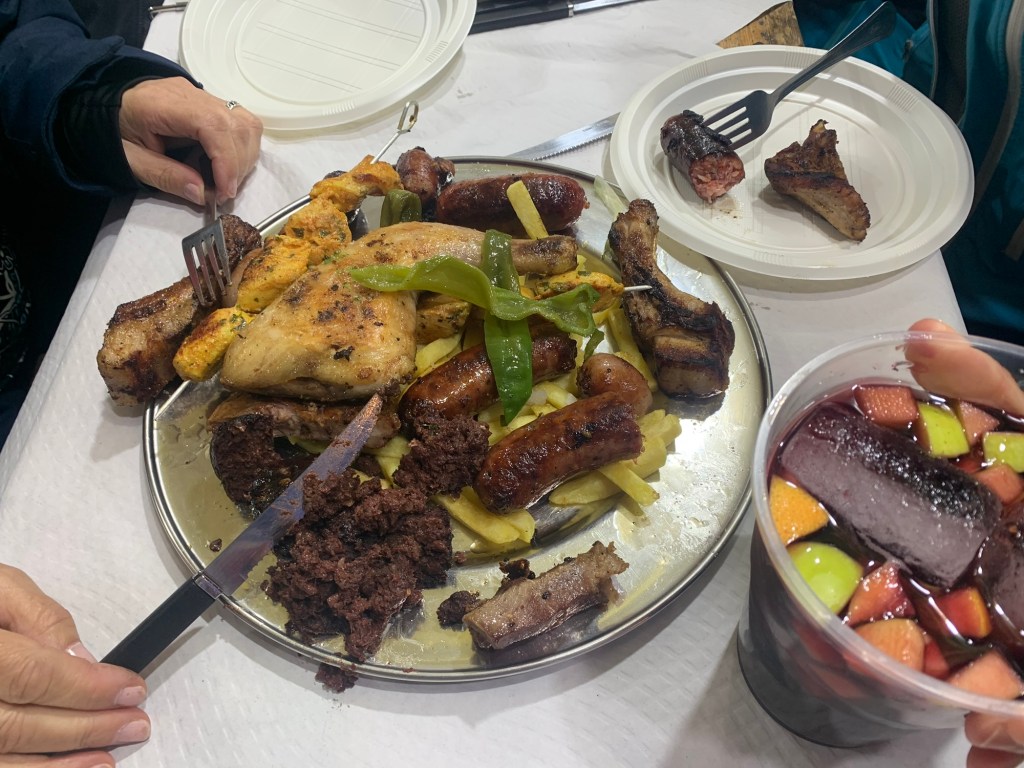
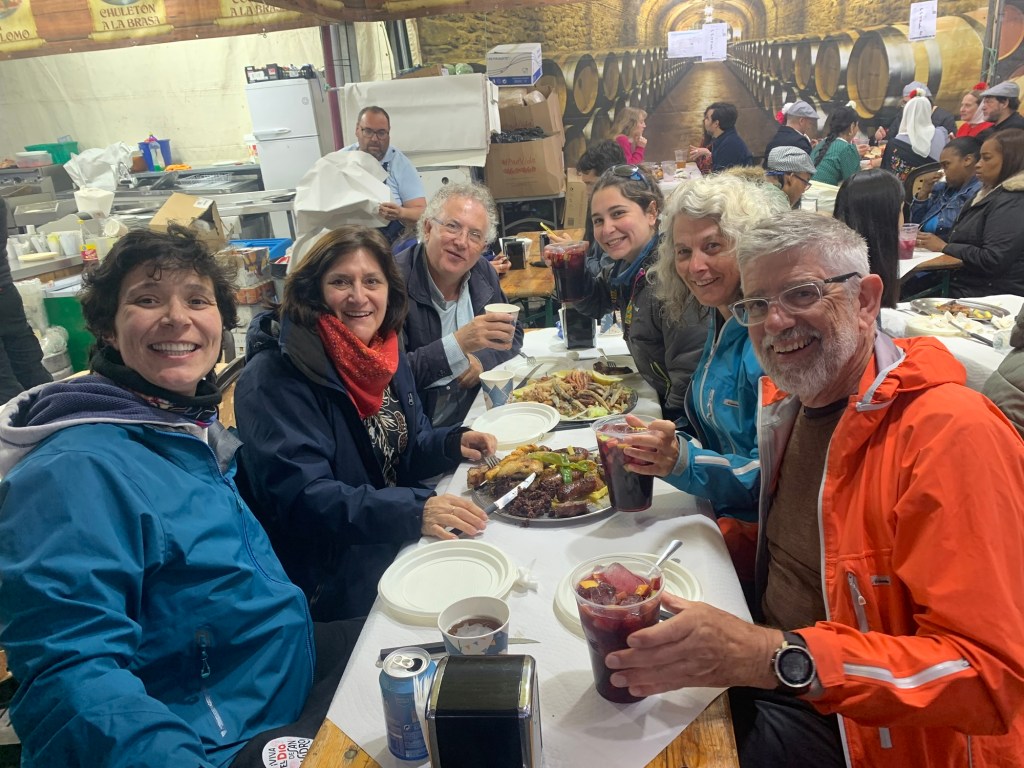
Before heading to the celebration we went to the theatre. Estrella’s sister Clara is an alumni of Madrid’s RESAD School of the Performing Arts and was a supporting cast member in a musical written and performed by this year’s graduates. It was a stunningly polished and professional – two hours that had us captivated. No wonder, given that RESAD is Spain’s oldest theatre school as well as being one of the most prestigious in the world.
Clara it turns out is both an accomplished musician and singer/songwriter – here she is as soloist with the Cuenca Youth Orchestra in their annual Holy Week production of original music. Clara’s Mum is in the choir so we know where the talent comes from.
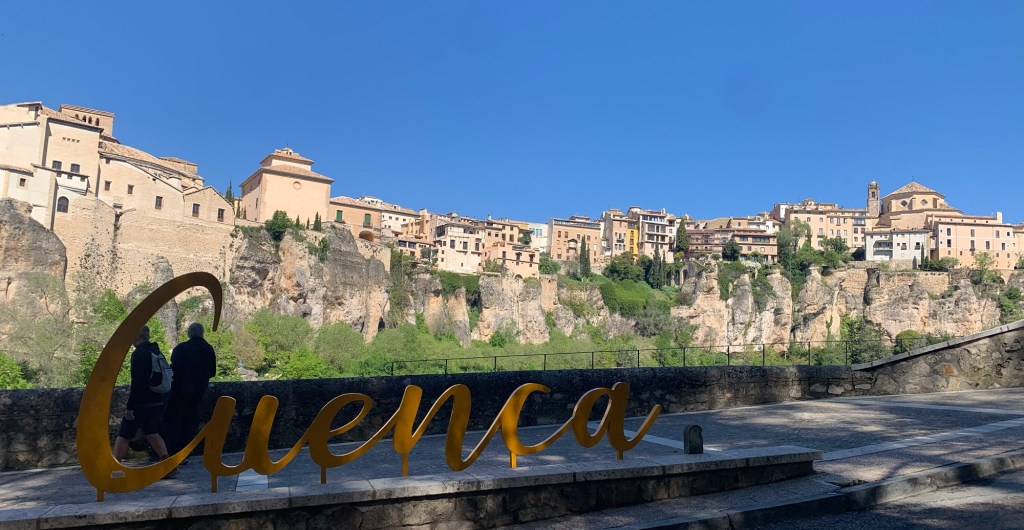
Estrella’s parents Dora and Julian very kindly offered to take us to their home in Cuenca to visit this very beautiful city 170km east of Madrid.
Famous for its hanging houses, Cuenca has a wonderful modern art museum, science and palaeontology (the area is rich in dinosaur fossils) museums and is the capital of the province of the same name.
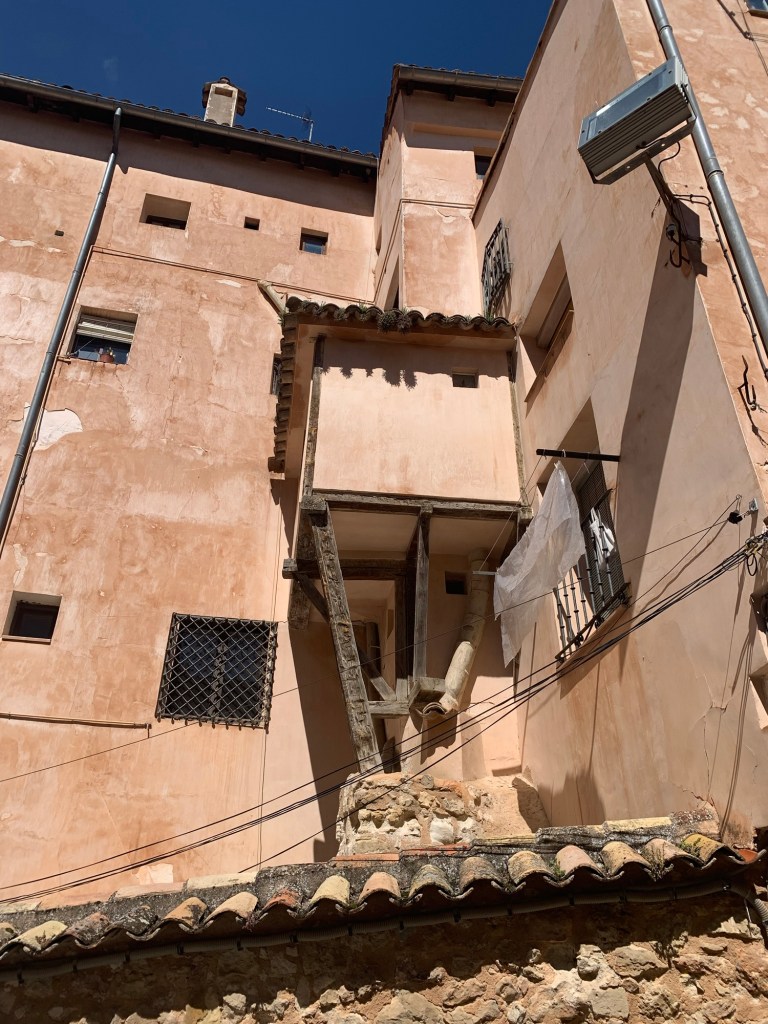
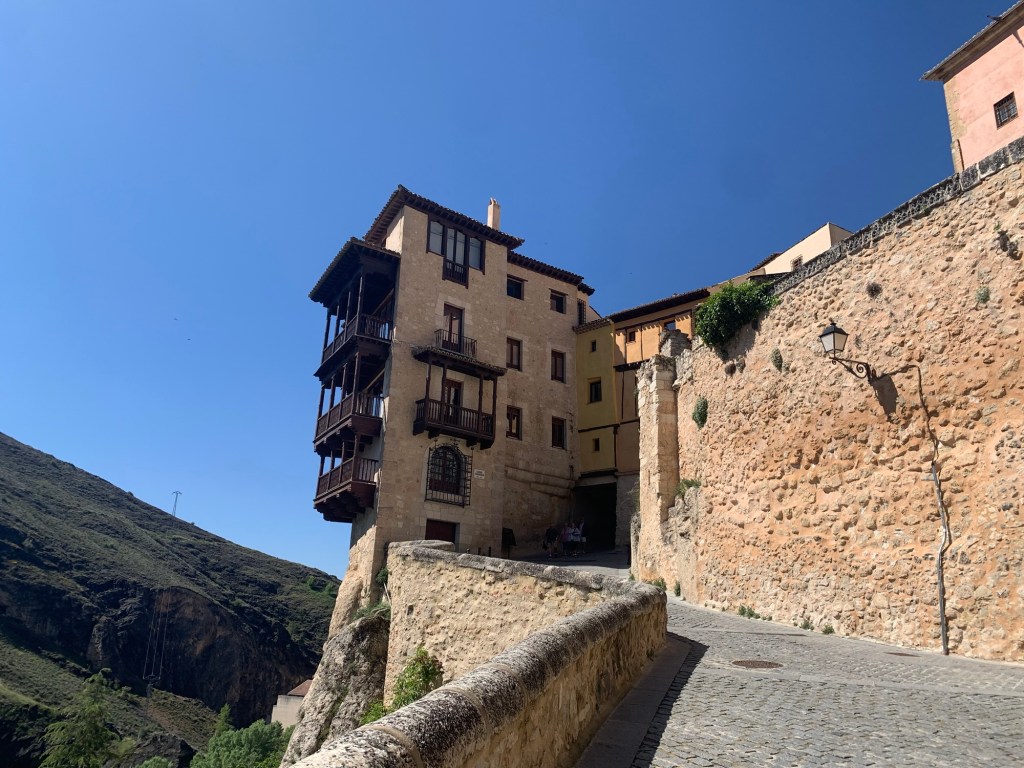
The site of the current city was first occupied by the Moors in 714 who, realising defensive potential of a ridge with steep gorges dropping to the Huécar and Júcar rivers, built a fortified settlement there.
The contemporary art museum is housed in the building above and earns its reputation as a world-class collection. It was an absolute delight to visit.
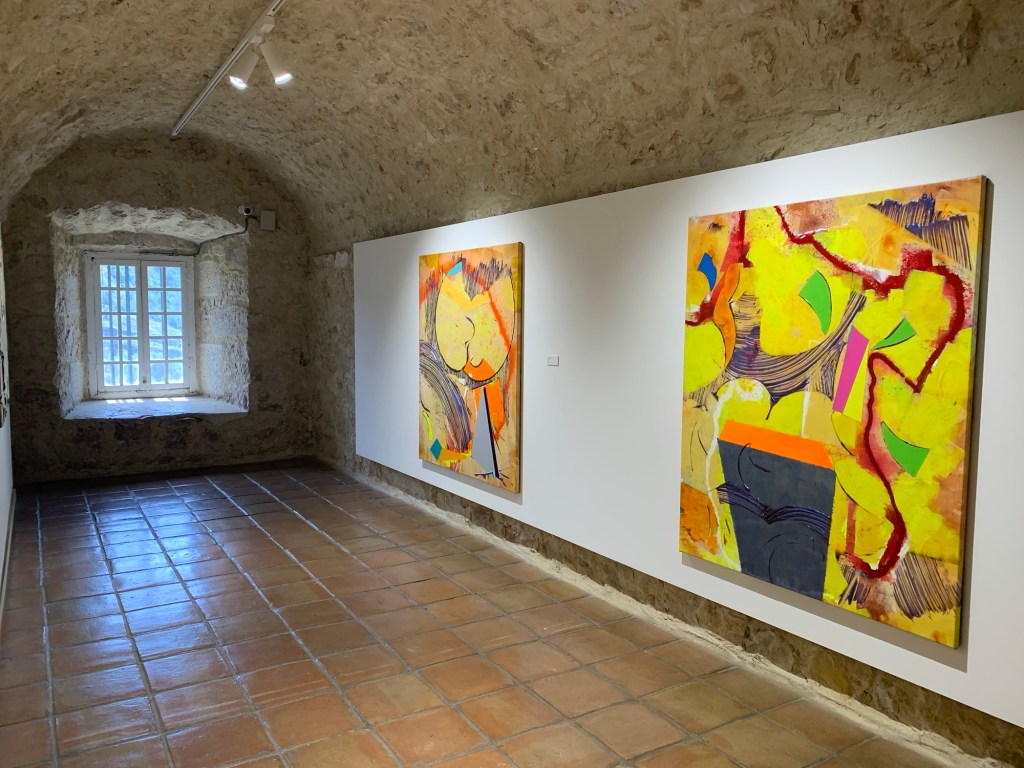
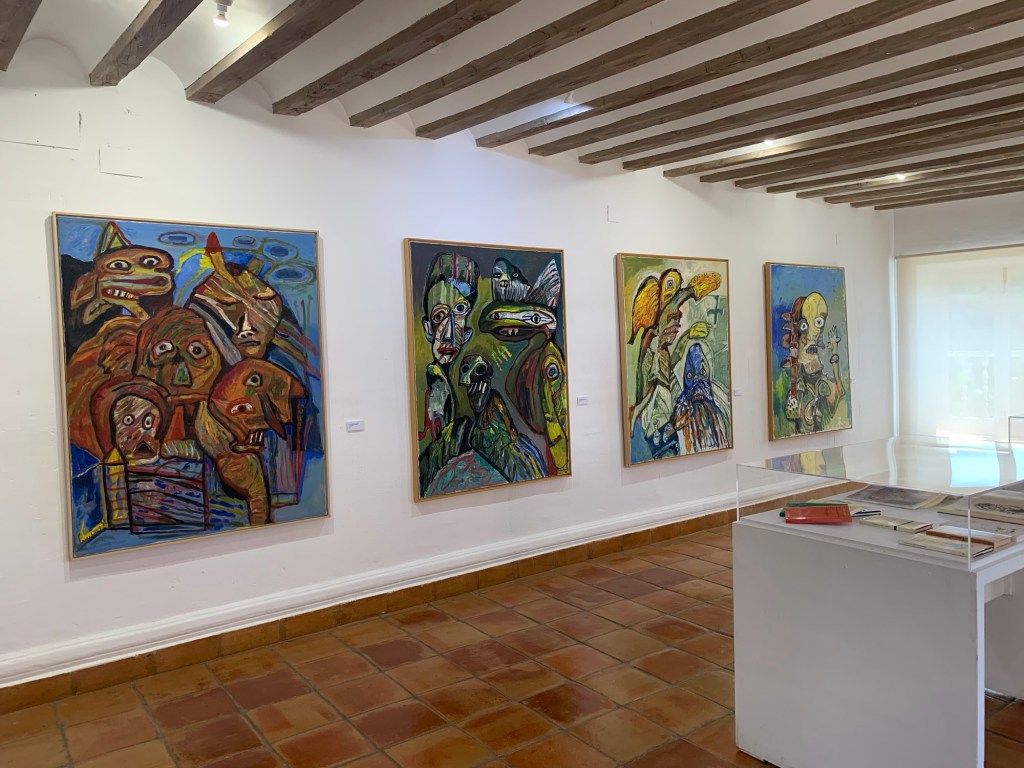
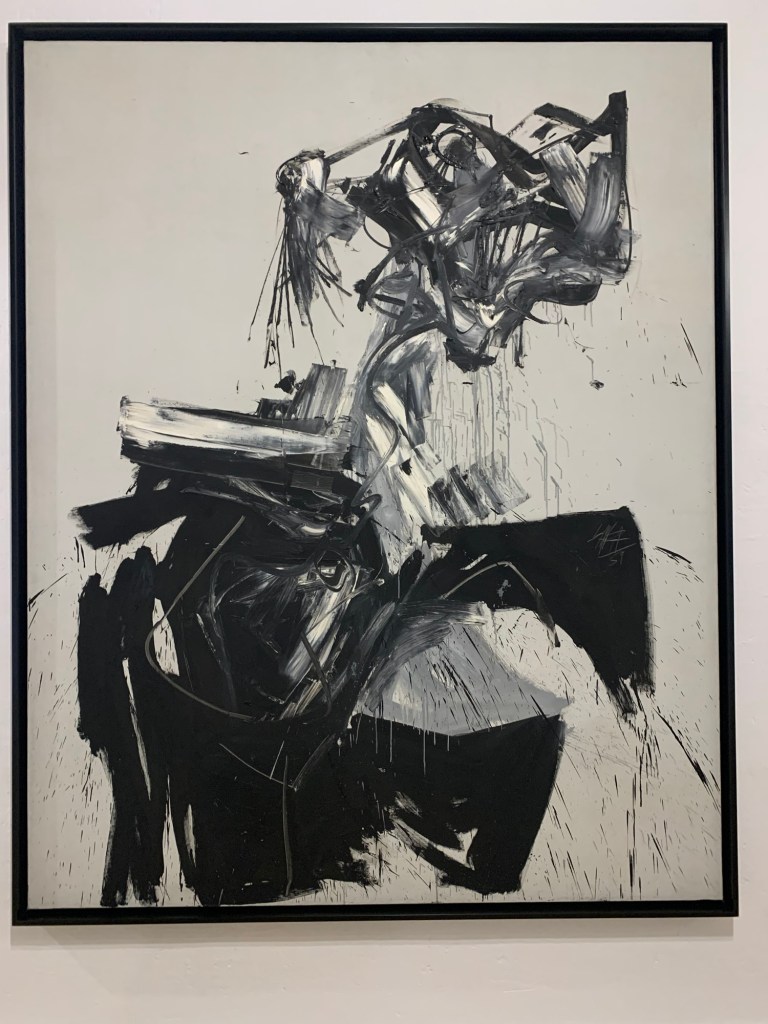
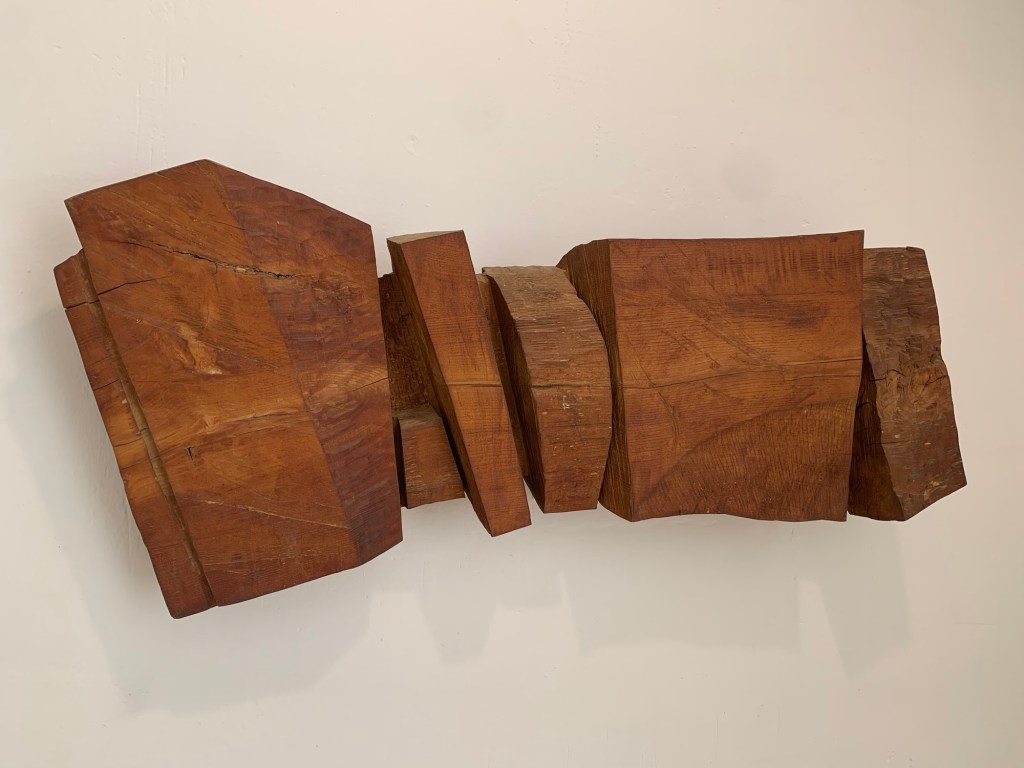
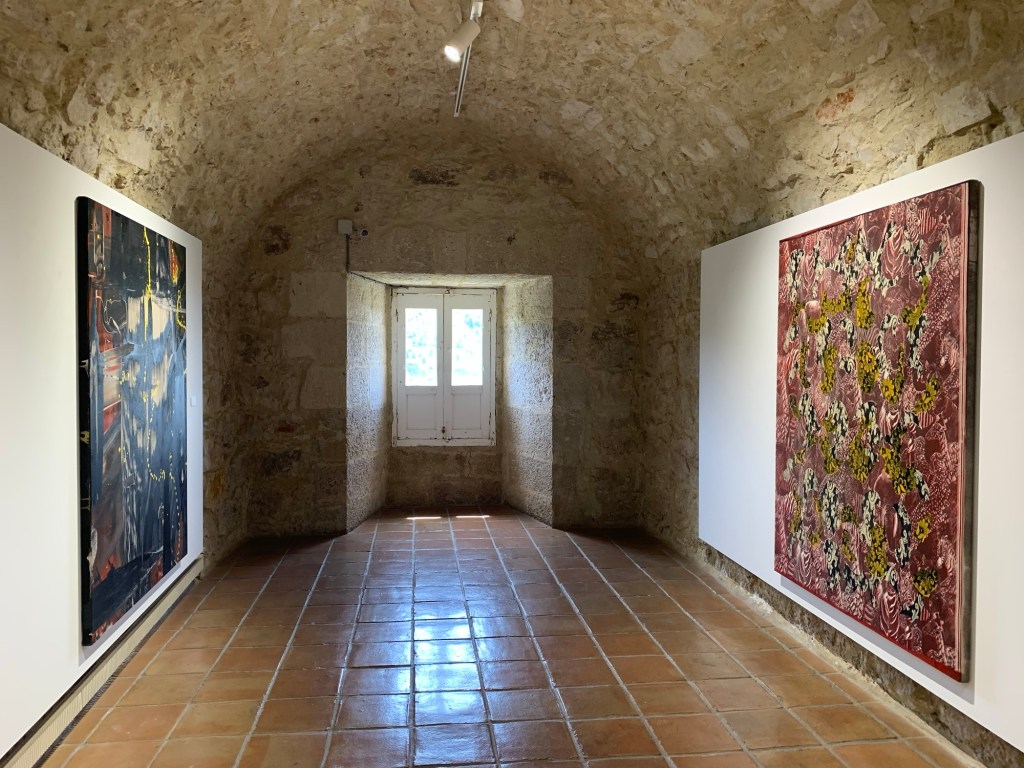
The Museo de Arte Abstracto Español is stunning …
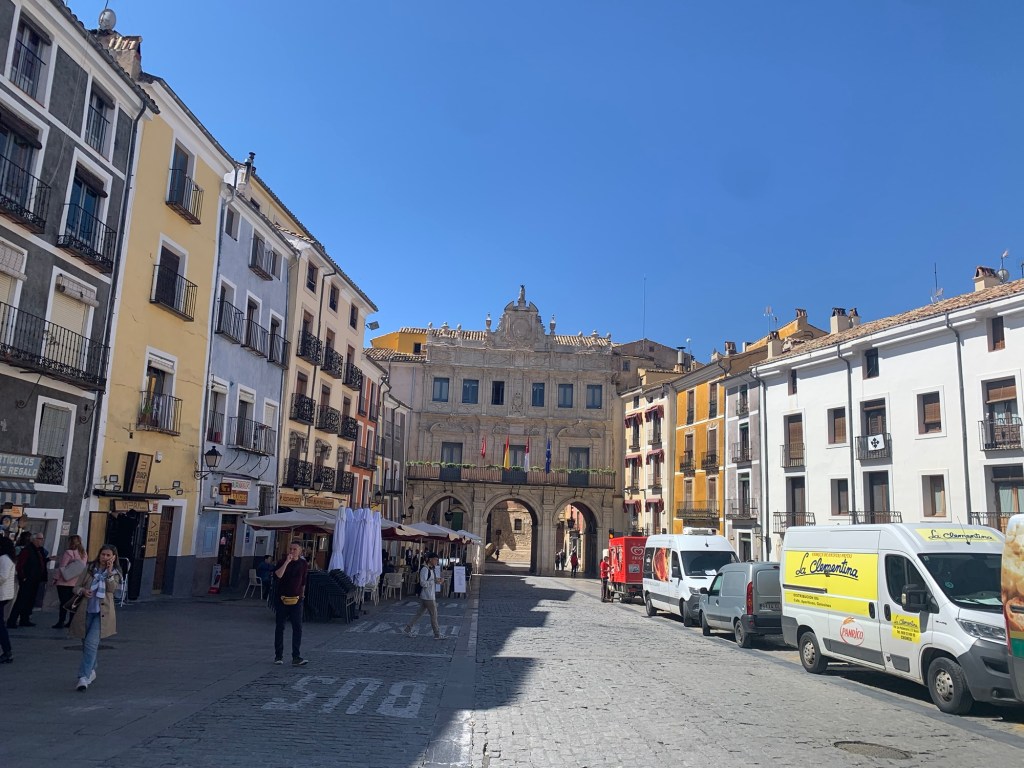
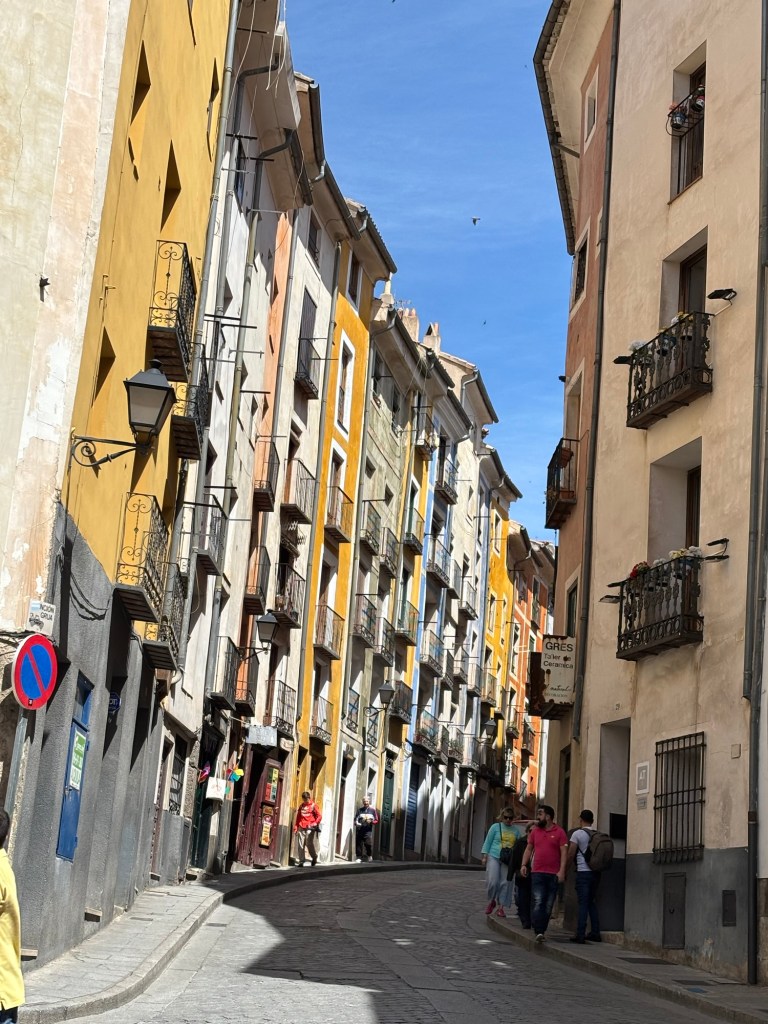
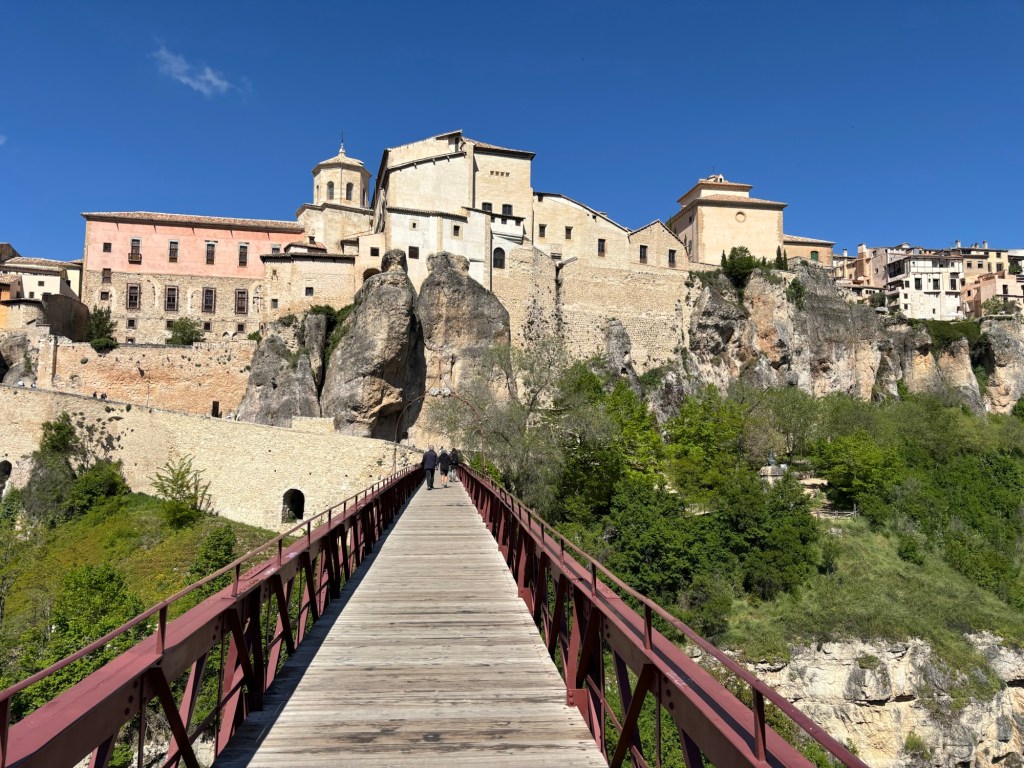
The old city is beautiful and we were so lucky to spend time there, and in the national park area where Julian showed us massive and ancient sink holes – created by underground rivers dissolving limestone mineral deposits some 80 million years ago.
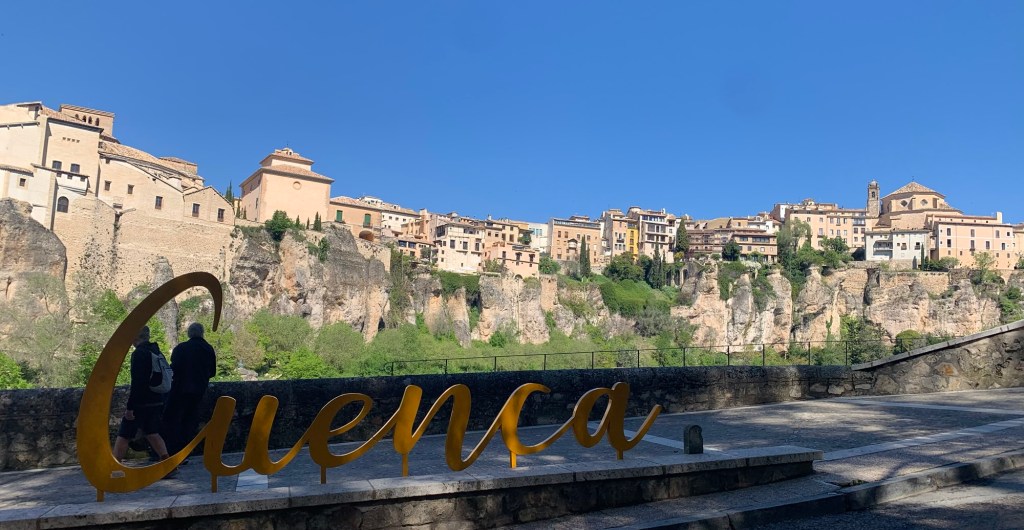
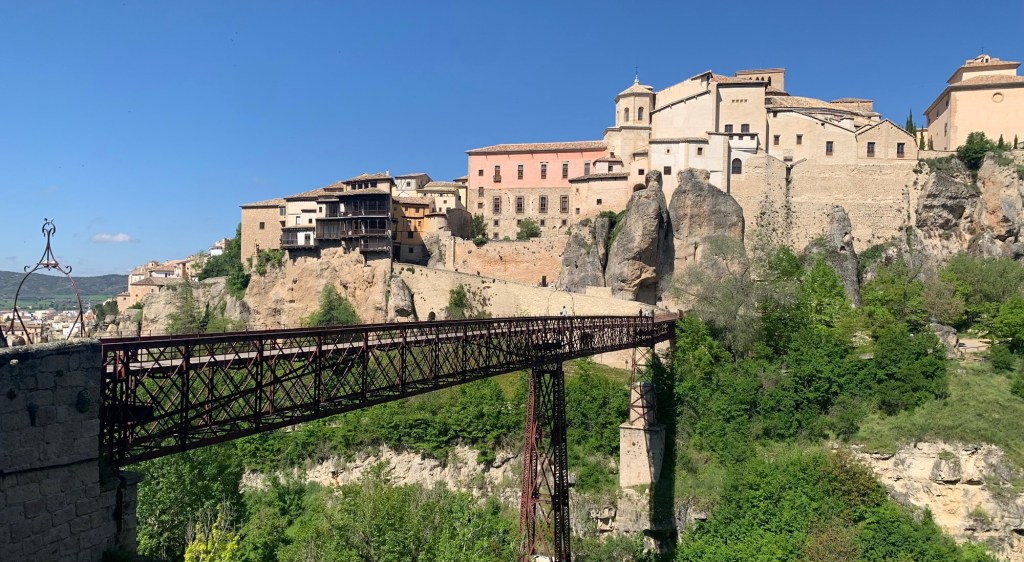
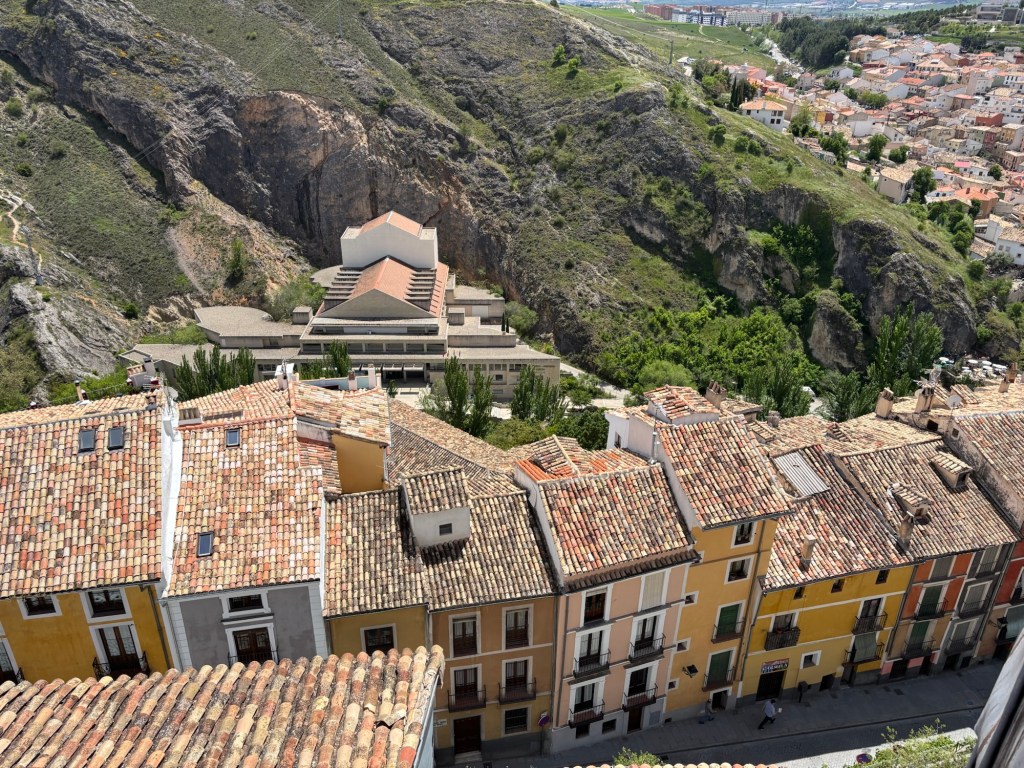
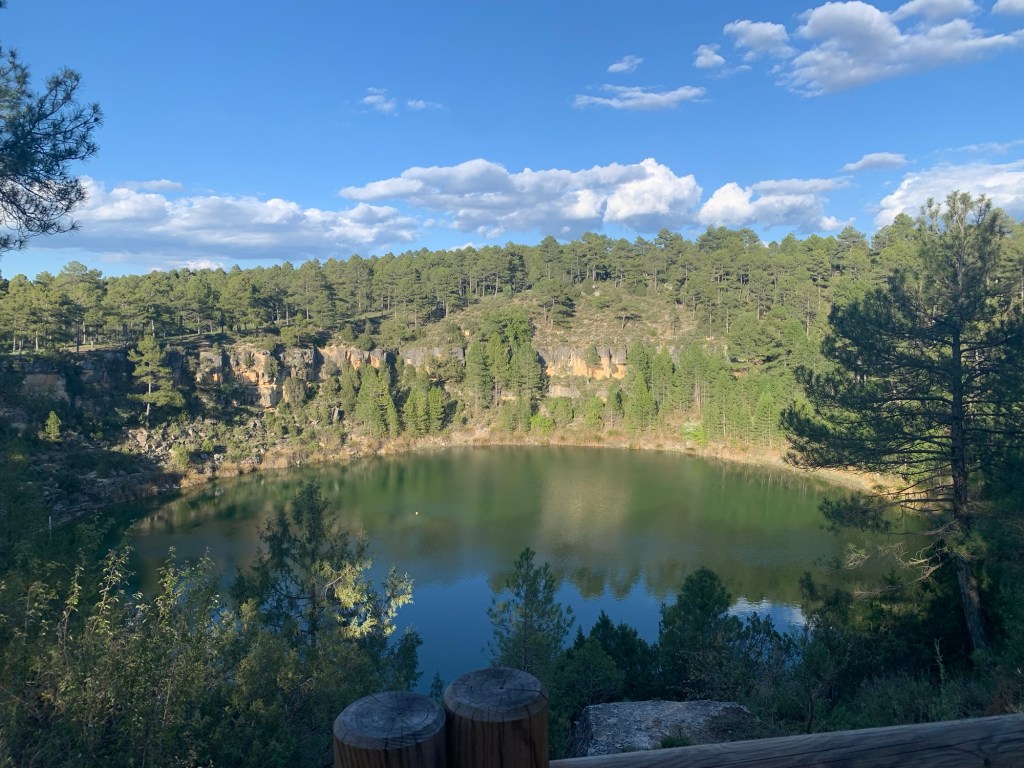
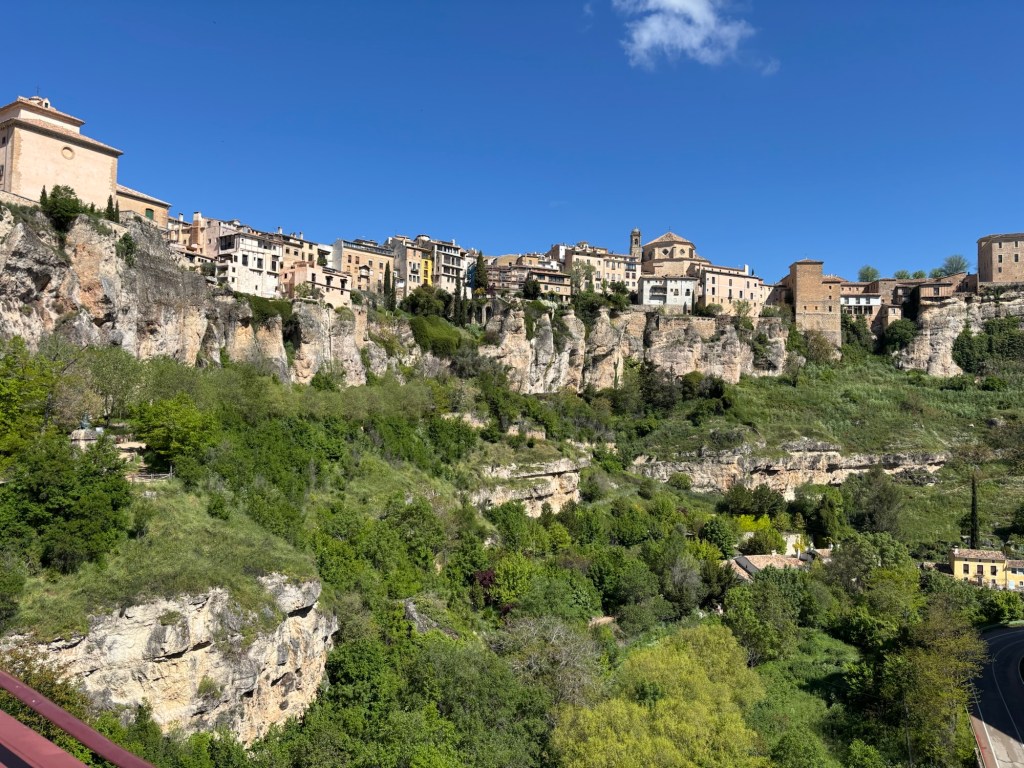
The siesta is devoutly observed in Spain and after meals with our wonderful hosts it makes perfect sense as to why – we were so very well fed!
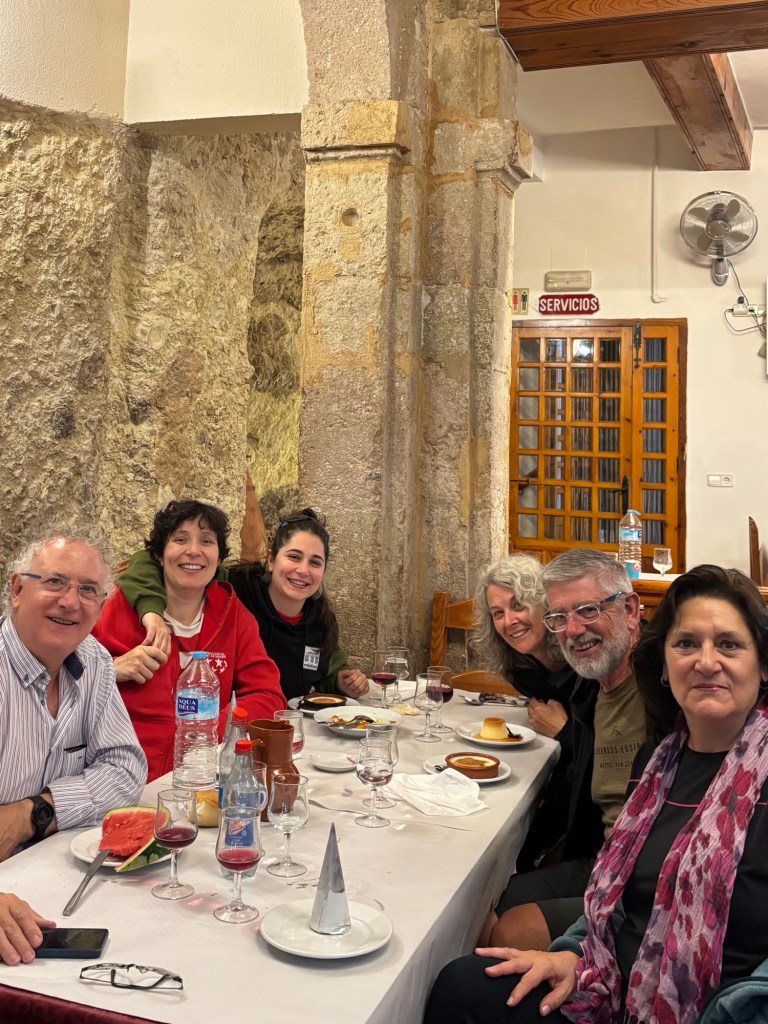
Back to Madrid on Saturday using the wonderfully named ride-share service BlaBlaCar, after a magical time in Cuenca; saying adiós to Estrella and Elena (who were on their way to Valencia with the student rugby team they coach) and “adiós temporal” to Dora and Julian, who we agreed to meet at their holiday home in Peñíscola on the Costa del Azahar if timing permitted.
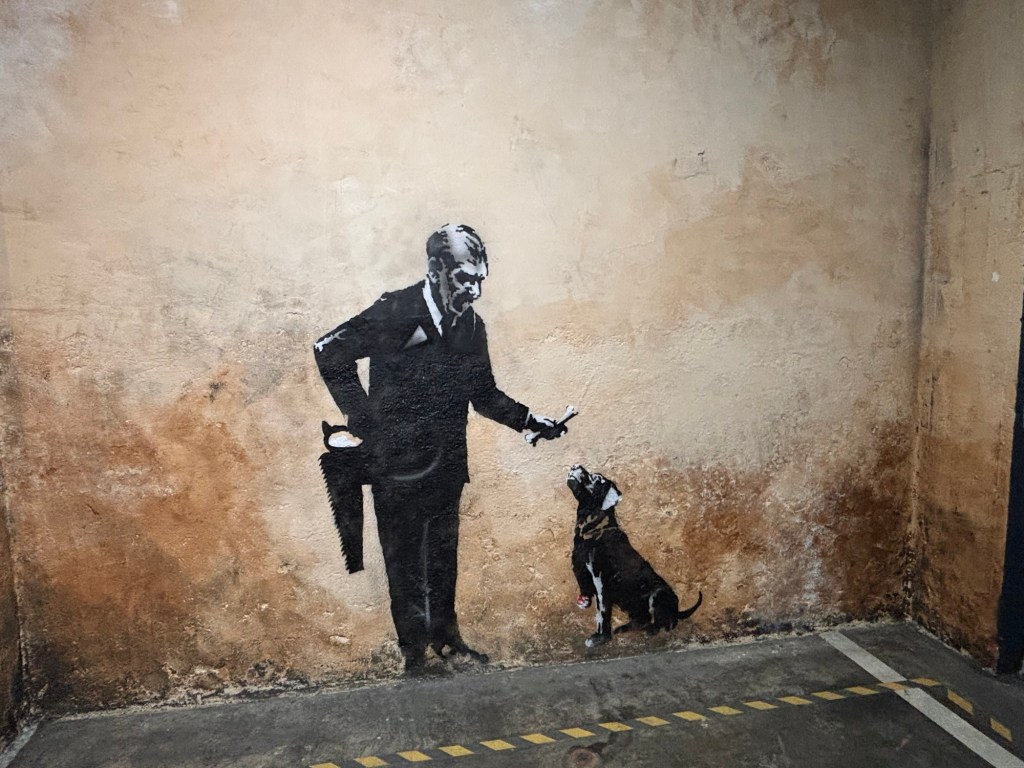
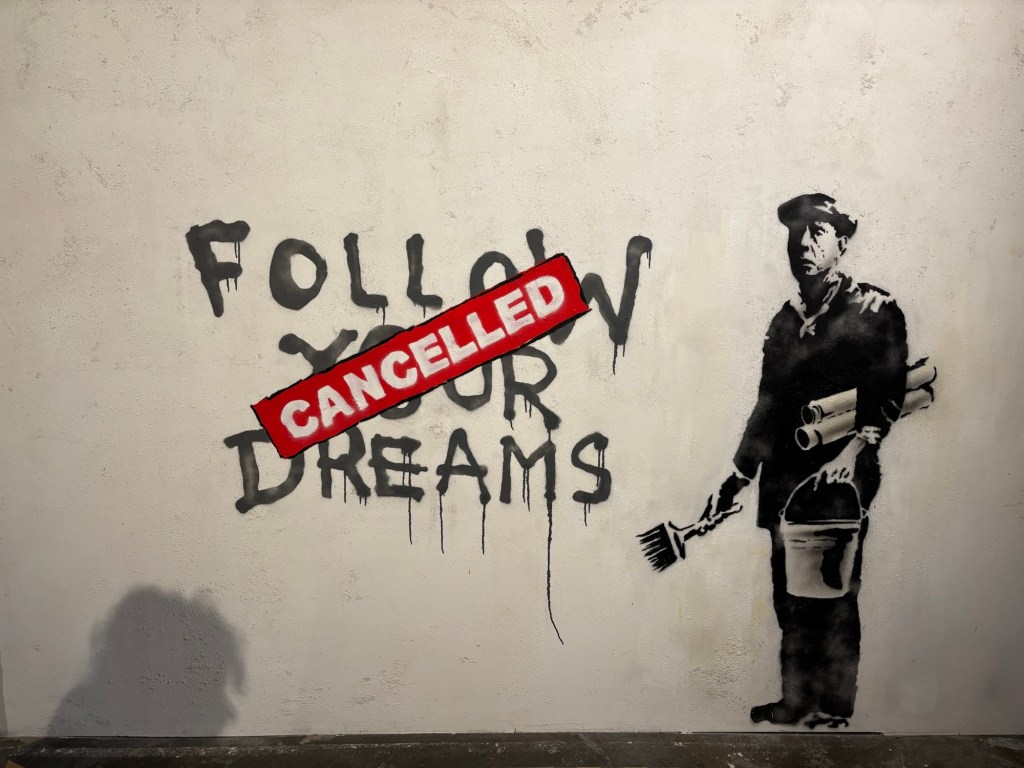
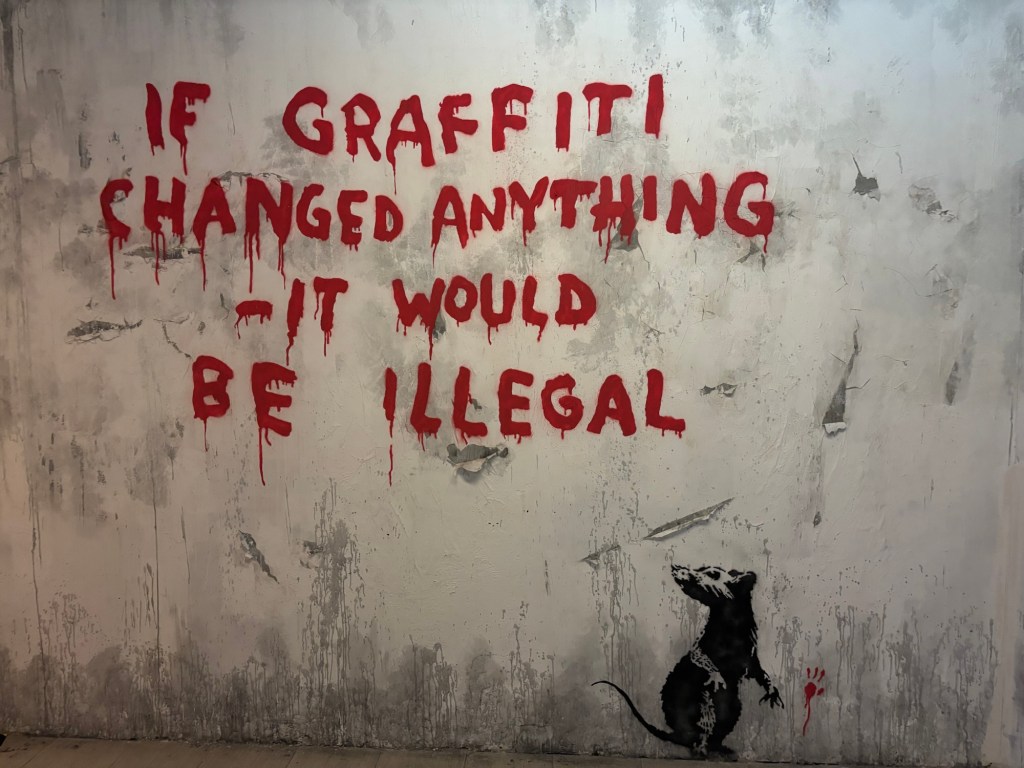
We visited the Banksy museum in Madrid on our final day, thoroughly engrossing and also sobering, particularly given the ongoing suffering of people in Gaza and lurch toward authoritarianism we are currently seeing.
Neither of us had any idea about the amount of output or the depth of social conscience in the works.


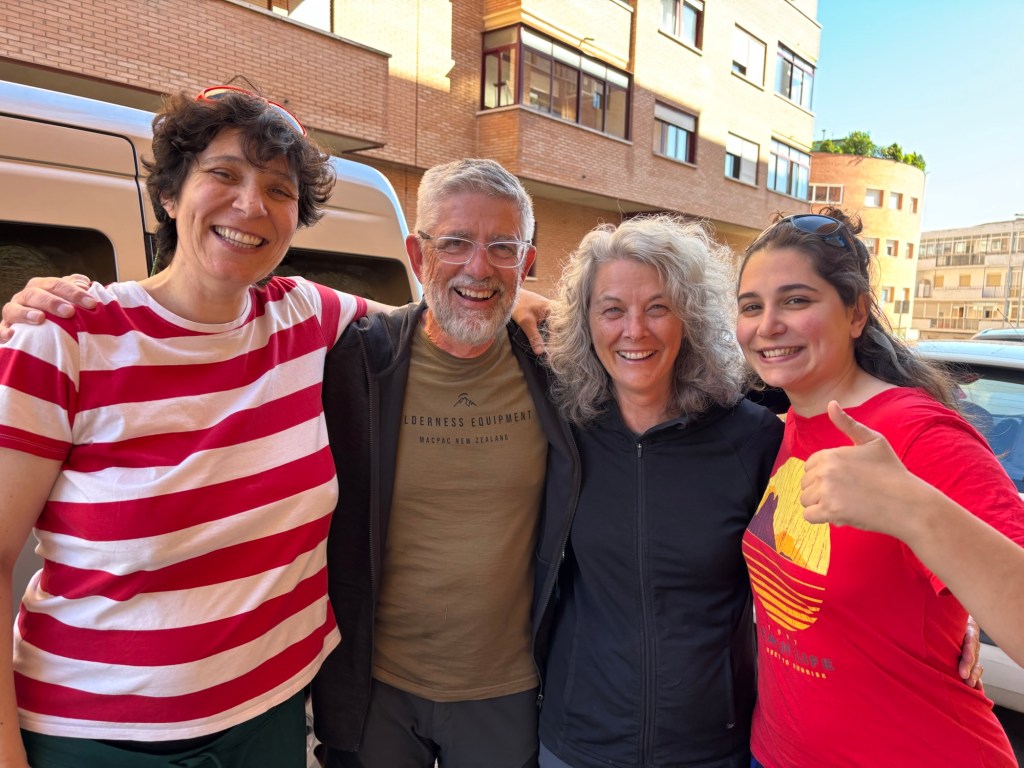
It was time to leave the beautiful city of Madrid and get back on the road. Thank you so much Dora, Julian, Elena, Estrella, Clara and Paloma for making our time there just so memorable.
 JG on balance